If you’ve ever winced your way through the day with itchy, red underarms or given up on natural deodorants after a week of irritation, you’re not alone. The quest for an effective aluminum-free deodorant that doesn’t declare war on sensitive skin can feel like searching for a unicorn in a sea of crystal rocks and paste jars. But here’s the truth: your delicate underarm skin—the same area you probably ignore until it screams for attention—deserves the same thoughtful care you’d give your face.
Sensitive underarms react to harsh ingredients with a vengeance, turning what should be a simple daily ritual into a cycle of trial and error. The aluminum-free market has exploded, but not all formulas are created equal when it comes to skin that’s easily offended. Understanding what makes a deodorant truly gentle yet effective is your ticket to finally breaking free from the irritation-inflammation cycle.
Top 10 Aluminum-Free Deodorant Sticks for Sensitive Underarms
Detailed Product Reviews
1. Dove Deodorant Stick Sensitive for 72 Hour Odor Protection Aluminum Free 2.4 oz

Overview: This aluminum-free deodorant from Dove targets sensitive skin users seeking long-lasting odor protection. The 2.4-ounce stick promises 72 hours of freshness while eliminating common irritants like aluminum, parabens, baking soda, and dyes. Designed specifically for delicate underarm skin, it combines odor-fighting technology with nourishing ingredients in a travel-friendly size.
What Makes It Stand Out: The prebiotic glycerin formulation is genuinely innovative, actively nurturing underarm skin rather than just masking odor. The soft floral scent provides subtle freshness without overwhelming fragrance, making it ideal for professional environments. Dove’s commitment to eliminating harsh chemicals while maintaining extended protection sets a new standard in gentle deodorants. The brand’s dermatological expertise shines through in this thoughtful formulation that prioritizes skin barrier health.
Value for Money: At $2.91 per ounce, this sits in the mid-range for premium aluminum-free options. While not the cheapest, the specialized sensitive skin formula and 72-hour claim justify the price point compared to drugstore alternatives that often contain skin-irritating ingredients. You’re paying for research-backed gentleness and proven skincare benefits, not just basic odor masking.
Strengths and Weaknesses: Strengths include genuinely gentle formulation, impressive longevity claims, and skin-conditioning benefits that leave underarms smooth. The compact size travels well and TSA compliance is convenient. Weaknesses: 72-hour protection may vary based on activity level, and those preferring unscented options won’t find it here. The 2.4-ounce size runs out faster than jumbo sticks, requiring more frequent replacement.
Bottom Line: An excellent choice for sensitive skin sufferers wanting reliable, long-lasting odor control without compromising on skin health. The price reflects quality ingredients and Dove’s dermatological heritage, making it worth the investment for daily comfort.
2. Dove Aluminum Free Deodorant for Women 3 Count Sensitive 72 hour odor protection 2.6 oz
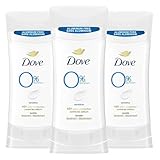
Overview: This three-pack offering from Dove provides sensitive skin-friendly deodorant in a convenient bulk format. Each 2.6-ounce stick delivers aluminum-free odor protection with moisturizing benefits. The multi-pack design ensures you won’t run out unexpectedly, making it practical for consistent users who prioritize skin health and want to stock up on a trusted formula.
What Makes It Stand Out: The value proposition of three full-size sticks is compelling for brand loyalists. Dove’s signature ¼ moisturizers differentiate it from purely odor-focused competitors, actively improving skin texture with each use. The alcohol-free, baking soda-free formula specifically addresses post-shaving irritation, a common complaint among women. The smooth glide application leaves no sticky residue and feels luxurious during application.
Value for Money: At $2.38 per ounce, this three-pack offers significant savings over single purchases. The bulk pricing reduces cost by nearly 20% compared to individual sticks, making it economical for daily users. The extended supply eliminates frequent repurchasing, saving time and shipping costs for online shoppers. For committed Dove users, this represents the smartest financial choice.
Strengths and Weaknesses: Strengths include excellent bulk value, skin-conditioning formula, and smooth application that prevents tugging. The larger 2.6-ounce size lasts longer per stick. Weaknesses: Conflicting claims (48 vs 72 hours) create confusion and undermine marketing credibility. The moisturizers may feel heavy for those preferring dry finishes. Packaging waste from three individual boxes could be reduced with eco-friendlier bundling.
Bottom Line: Perfect for committed Dove users seeking value. The three-pack saves money and shopping trips, though the protection hour claim discrepancy warrants clarification from the manufacturer before purchase.
3. Secret Aluminum Free Deodorant for Women, 48hr Odor Protection, Free of Parabens Dyes Talc & Baking Soda, PH Balancing Minerals, Dry Solid, Cotton Scent, 2.4 oz
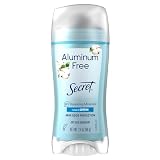
Overview: Secret’s aluminum-free offering provides 48-hour odor protection in a clean cotton scent. This 2.4-ounce stick eliminates parabens, dyes, talc, and aluminum salts while incorporating pH balancing minerals for effective odor control. Designed for the modern woman seeking simplicity and performance, it focuses on core benefits without unnecessary additives that could compromise skin health.
What Makes It Stand Out: The no-white-marks promise is a game-changer for dark clothing wearers. Secret’s pH balancing mineral technology works with skin’s natural chemistry rather than against it, creating an environment where odor-causing bacteria struggle to thrive. The cotton scent offers universal appeal—clean without being perfume-like, suitable for scent-sensitive workplaces and those who prefer understated freshness.
Value for Money: At $2.90 per ounce, it competes directly with Dove’s single stick offering. The specialized no-residue formula justifies the premium over basic aluminum-free options. For professionals needing wardrobe confidence, the anti-mark technology delivers tangible value that cheaper alternatives can’t match. You’re investing in clothing preservation as much as odor protection.
Strengths and Weaknesses: Strengths include excellent stain prevention, light fresh scent, and pH-conscious formulation that respects skin microbiome. The clear application feels clean and dry without sticky residue. Weaknesses: 48-hour protection falls short of competitors’ 72-hour claims, requiring more frequent reapplication for heavy sweaters. The cotton scent, while pleasant, lacks sophistication for some users. No specific moisturizing ingredients for sensitive skin may cause dryness with repeated use.
Bottom Line: Ideal for those prioritizing clothing protection and clean ingredients. The no-white-marks technology makes it worth the price, though sensitive skin users may miss Dove’s moisturizing approach and heavy exercisers may need stronger protection.
4. Dove Men+Care Deodorant Stick, Clean Comfort, 3 Ounce, Twin Pack

Overview: Dove Men+Care delivers masculine odor protection in a cost-effective twin pack. Each 3-ounce stick provides 72-hour aluminum-free defense with a sophisticated citrus-woodsy scent profile. Engineered specifically for men’s skin, which tends to be thicker and more prone to irritation from shaving, this formula balances strength with care in a no-fuss package.
What Makes It Stand Out: The 1/4 Moisturizing Cream technology addresses the unique needs of men’s coarser underarm hair and skin, preventing the dryness many experience with standard deodorants. The complex fragrance blend of bergamot, lavender, and sandalwood elevates it beyond typical “sport” scents, offering mature sophistication. The twin pack format specifically targets male shopping habits—buy once, stock up for months without returning to the store.
Value for Money: At $1.66 per ounce, this is exceptional value. The twin pack structure undercuts most competitors by 30-40% per ounce. For men content with one scent, this represents budget-friendly bulk buying without quality compromise. The larger size means fewer trips to the store and less packaging waste over time, adding environmental convenience to financial savings.
Strengths and Weaknesses: Strengths include outstanding price-per-ounce, long-lasting protection, and skin-conditioning formula that prevents post-shave discomfort. The larger 3-ounce size reduces replacement frequency significantly. Weaknesses: Limited scent options in twin packs restrict variety. The moisturizing cream may feel too rich for hot climates or very active users who prefer ultra-dry formulas. Men preferring ultra-minimalist ingredients may want fewer components in the formula.
Bottom Line: Outstanding value for men seeking reliable, skin-friendly odor protection. The twin pack eliminates frequent repurchasing while delivering premium skincare benefits at drugstore prices, making it a smart default choice for practical shoppers.
5. Secret Whole Body Deodorant Stick for Women, Naturally Derived Ingredients, Unscented, Aluminum Free Deoderant Stick, 72 HR Odor Protection, 2.4 oz

Overview: Secret revolutionizes deodorant with this whole-body formula designed for underarms, private areas, underboobs, and feet. The unscented, aluminum-free stick provides 72-hour protection using naturally derived ingredients. This represents a paradigm shift from single-area application to comprehensive odor management for the modern woman seeking minimalist solutions.
What Makes It Stand Out: The multi-area application is groundbreaking, addressing odor beyond traditional boundaries where bacteria thrive in moisture. pH balancing minerals ensure compatibility with sensitive body zones, maintaining natural flora balance. The claim that 4 out of 5 gynecologists would recommend adds medical credibility rare in this category, addressing safety concerns for intimate use in a way competitors don’t.
Value for Money: At $4.16 per ounce, this commands premium pricing. However, replacing multiple specialized products with one stick creates overall savings. For women managing body odor holistically, the convenience justifies the cost. When considering it replaces underarm deodorant, thigh chafing products, and foot powders, the value proposition strengthens considerably through consolidation.
Strengths and Weaknesses: Strengths include versatile application, gynecologist endorsement, and truly unscented formula perfect for fragrance-free workplaces. The clear application works for all skin tones without residue or staining. Weaknesses: Highest price per ounce in this roundup may deter budget shoppers. Some users may feel uncomfortable applying one product everywhere despite its design. The 2.4-ounce size depletes quickly with whole-body use, requiring frequent repurchase that diminishes value.
Bottom Line: A pioneering solution for comprehensive body odor management. While expensive, it eliminates need for multiple products. Best for women seeking minimalist routines and willing to invest in full-body confidence, though frequent users should budget for regular replacement.
6. Vanicream Aluminum-Free Gel Deodorant - 2 oz - Unscented Formula for Sensitive Skin

Overview: Vanicream’s Aluminum-Free Gel Deodorant delivers odor protection specifically engineered for the most sensitive skin types. This dermatologist-tested formula comes in a lightweight 2-ounce package and eliminates common irritants while maintaining effective daily freshness. The unscented, water-based gel design makes it an ideal choice for individuals prone to allergic reactions or skin sensitivities.
What Makes It Stand Out: The minimalist formulation philosophy truly distinguishes this product. By excluding botanical extracts, essential oils, baking soda, talc, alcohol, and gluten, Vanicream creates a remarkably pure deodorant experience. The water-based gel texture absorbs quickly without leaving residue or stains on clothing. Its kid-friendly designation and dermatologist testing provide exceptional peace of mind for families seeking gentle personal care solutions that don’t compromise on performance.
Value for Money: At $9.85 ($4.92 per ounce), this deodorant sits at the premium end of the aluminum-free category. However, the price reflects its specialized medical-grade formulation and rigorous testing standards. For those with eczema, psoriasis, or severe sensitivities who’ve struggled with conventional natural deodorants, this investment prevents costly skin irritation and provides reliable protection that cheaper alternatives often fail to deliver.
Strengths and Weaknesses: Strengths include unparalleled hypoallergenic properties, quick-drying gel formula, zero fragrance irritation, and trustworthy dermatologist endorsement. The formula effectively neutralizes odor without blocking sweat glands. Weaknesses involve the higher price point, potentially less effective wetness management compared to antiperspirants, and the gel texture which may require adjustment for users accustomed to solid sticks. The unscented nature, while beneficial for sensitive users, might feel underwhelming for those preferring scented options.
Bottom Line: Vanicream’s gel deodorant is the gold standard for sensitive skin sufferers. If you’ve experienced irritation from other natural deodorants, this meticulously formulated option justifies its premium price through proven gentleness and reliable odor control.
7. Ivory Aluminum Free Deodorant, Notes of Aloe, 24hr Gentle Deodorant, Dermatologist Tested, Baking Soda Free, Paraben Free, 2.4 oz

Overview: Ivory’s Aluminum-Free Deodorant offers accessible, gentle protection with a subtle aloe scent. This 2.4-ounce stick provides 24-hour odor control while maintaining the brand’s legacy of mild, trustworthy cleansing. Designed for daily use, it prioritizes skin health through thoughtful ingredient selection and dermatologist validation.
What Makes It Stand Out: The plant-based skin conditioner sets this apart from budget competitors, delivering actual skincare benefits rather than just odor masking. Ivory’s commitment to cruelty-free practices and ethical manufacturing resonates with value-conscious consumers who prioritize responsibility. The subtle aloe fragrance provides a clean, fresh sensation without overwhelming synthetic perfumes, striking an ideal balance between natural appeal and effective performance.
Value for Money: At $4.72 ($1.97 per ounce), this represents exceptional value in the aluminum-free category. It’s significantly more affordable than specialty sensitive-skin brands while maintaining dermatologist testing and clean ingredients. The combination of ethical manufacturing, proven gentle formulation, and reliable performance makes this a budget-friendly champion that doesn’t cut corners on quality or conscience.
Strengths and Weaknesses: Strengths include outstanding affordability, dermatologist-tested gentle formula, cruelty-free certification, pleasant light scent, and plant-based conditioning ingredients. The 24-hour protection claim holds up well for moderate activity levels. Weaknesses include limited scent options, potential reapplication needs for heavy sweating, and less sophisticated odor-fighting technology compared to premium 72-hour formulas. The packaging feels basic, and some users may find the aloe scent too subtle.
Bottom Line: Ivory delivers impressive quality at an unbeatable price point. For budget-conscious shoppers seeking reliable, ethical aluminum-free protection, this deodorant offers tremendous value without compromising on skin-friendly ingredients.
8. Dove Deodorant Stick Sparkling Vanilla for 72 Hour Odor Protection Aluminum Free 2.4 oz
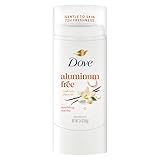
Overview: Dove’s Sparkling Vanilla Deodorant Stick elevates aluminum-free protection with an indulgent scent profile and extended 72-hour odor control. This 2.4-ounce stick combines Dove’s skincare heritage with advanced odor-fighting technology, delivering a luxurious yet gentle daily essential that keeps you fresh through extended wear.
What Makes It Stand Out: The sophisticated vanilla and white musk fragrance transforms a functional product into a sensory experience. Dove’s incorporation of prebiotic glycerin and hydrating ingredients actively improves underarm skin texture rather than simply preventing odor. The impressive 72-hour protection claim exceeds most natural deodorants, providing confidence for busy lifestyles without compromising the gentle, aluminum-free formulation.
Value for Money: Priced at $6.99 ($2.91 per ounce), this deodorant offers premium features at a mid-range price. The extended protection duration means less frequent reapplication, effectively increasing value per use. Compared to boutique natural deodorants costing $10-15, Dove delivers comparable skincare benefits and superior longevity from a trusted mass-market brand with rigorous testing standards.
Strengths and Weaknesses: Strengths include exceptional 72-hour odor protection, luxurious long-lasting vanilla scent, skin-conditioning prebiotic glycerin, and dermatologist-trusted brand reputation. The formula glides smoothly and leaves underarms feeling soft. Weaknesses involve potential scent overpowering for sensitive noses, slightly higher cost than basic aluminum-free options, and the vanilla fragrance may not suit all preferences. Some users report a brief adjustment period when switching from antiperspirants.
Bottom Line: Dove’s Sparkling Vanilla deodorant successfully merges luxury fragrance with clinical performance. For those wanting extended protection with skincare benefits and an indulgent scent, this delivers outstanding results at a reasonable price point.
9. Dove Aluminum Free Deodorant for Women 4 Count Cucumber and Green Tea 72 hour odor protection 2.6 oz

Overview: This four-count Dove deodorant package provides extended-value aluminum-free protection with a refreshing cucumber and green tea scent. Each 2.6-ounce stick delivers 72-hour odor control while incorporating Dove’s signature moisturizing technology. The multi-pack format ensures consistent freshness while offering significant cost savings for loyal users.
What Makes It Stand Out: The quadruple-pack configuration delivers exceptional convenience and value rarely seen in premium aluminum-free deodorants. Dove’s unique alcohol-free, baking soda-free formula specifically addresses post-shaving irritation, making it ideal for sensitive skin that requires robust protection. The cucumber and green tea fragrance provides a crisp, gender-neutral freshness that works across diverse preferences and seasons.
Value for Money: At $13.96 for four sticks ($1.34 per ounce), this package represents outstanding bulk value, reducing individual stick cost by approximately 30% compared to single purchases. The 72-hour protection minimizes replacement frequency, while the larger 2.6-ounce size extends each stick’s lifespan. For households with multiple users or those committed to aluminum-free lifestyles, this bulk option delivers premium Dove quality at near-budget pricing.
Strengths and Weaknesses: Strengths include unbeatable bulk pricing, extended 72-hour protection, moisturizing formula with ¼ moisturizers, gentle post-shave application, and refreshing scent. The four-count ensures you’re never without protection. Weaknesses require upfront investment, limited to one scent per bulk pack, and the cucumber fragrance may not appeal to everyone. The larger package size requires storage space, and occasional uneven stick durability has been reported.
Bottom Line: This multi-pack offers the best value proposition in the Dove aluminum-free lineup. Stock up on reliable, skin-friendly protection that saves money while delivering the trusted 72-hour freshness Dove promises.
10. Dove Deodorant Stick for 72 Hour Odor Protection Coconut & Pink Jasmine Aluminum Free 2.4 oz

Overview: Dove’s Coconut & Pink Jasmine Deodorant Stick delivers tropical-inspired freshness with advanced 72-hour aluminum-free protection. This 2.4-ounce stick blends exotic fragrance with Dove’s gentle skincare expertise, creating a daily deodorant that transports your senses while maintaining underarm health and confidence through extended wear periods.
What Makes It Stand Out: The distinctive coconut and pink jasmine scent profile stands apart from typical floral or fruity fragrances, offering sophisticated tropical notes without synthetic harshness. Dove’s prebiotic glycerin formulation actively nurtures the skin’s microbiome while providing hydration, representing a scientific approach to underarm care that transcends basic odor masking. The 72-hour protection ensures reliability for travel, intense workdays, or active lifestyles.
Value for Money: At $6.99 ($2.91 per ounce), this deodorant positions itself as an affordable luxury. The extended wear claim reduces application frequency, effectively doubling the value compared to 24-hour formulas requiring daily reapplication. Dove’s mass-market efficiency keeps costs reasonable while delivering boutique-quality fragrance and scientifically-backed skincare ingredients that justify every penny.
Strengths and Weaknesses: Strengths include unique sophisticated fragrance, proven 72-hour odor control, skin-nurturing prebiotic ingredients, smooth application, and Dove’s dermatological credibility. The formula effectively prevents irritation and leaves skin noticeably softer. Weaknesses include scent intensity that may overwhelm sensitive users, coconut fragrance might clash with perfumes, and the pink jasmine notes could read too feminine for some preferences. Transitioning users may experience temporary efficacy adjustment.
Bottom Line: For those seeking an escape from mundane deodorant scents without sacrificing performance, Dove’s Coconut & Pink Jasmine delivers exotic luxury with clinical reliability. It’s a worthwhile indulgence for fragrance enthusiasts wanting aluminum-free confidence.
Why Your Sensitive Underarms Deserve Aluminum-Free Care
The skin under your arms is uniquely vulnerable. It’s thinner than most body skin, constantly subjected to friction, and packed with lymph nodes and sweat glands. When you add harsh chemicals to this sensitive ecosystem, you’re practically inviting inflammation. Aluminum compounds, the active ingredients in antiperspirants, work by temporarily plugging sweat ducts—a process that can trigger immune responses in sensitive individuals.
For those with reactive skin, aluminum-free deodorants aren’t just a wellness trend; they’re a dermatological necessity. These formulas allow your skin to function naturally while neutralizing odor through gentler mechanisms. The key is finding one that balances efficacy with ingredients that support, rather than compromise, your skin barrier.
The Science Behind Aluminum in Traditional Deodorants
How Aluminum Compounds Affect Sensitive Skin
Aluminum salts like aluminum chlorohydrate and aluminum zirconium tetrachlorohydrex glycine create a chemical reaction with sweat that forms a gel-like plug in your sweat ducts. While effective at reducing wetness, this process can cause microscopic inflammation. For sensitive skin types, this triggers histamine release, leading to itching, redness, and that characteristic burning sensation.
Research suggests that the low pH of aluminum compounds can disrupt your skin’s acid mantle, the protective barrier that keeps irritants out and moisture in. Once this barrier is compromised, your underarms become susceptible to even more irritants, creating a cascade of sensitivity that can persist long after you’ve stopped using the product.
The Difference Between Deodorant and Antiperspirant
This distinction is crucial for managing expectations. Antiperspirants contain aluminum and are classified as drugs by the FDA because they affect your body’s physiological function—namely, sweating. Deodorants, particularly aluminum-free versions, are cosmetic products that mask or neutralize odor without stopping sweat.
Your sensitive underarms need to sweat; it’s a vital detoxification and temperature-regulation process. Aluminum-free deodorants work with this process, using antibacterial agents and odor-absorbing ingredients to keep you fresh without blocking your body’s natural functions.
Understanding the Detox Period: What to Expect
When you first ditch aluminum, your underarms enter a recalibration phase. Your sweat glands, previously suppressed, become more active as they function freely again. Simultaneously, the bacteria population that causes odor shifts dramatically. This transition period typically lasts 2-4 weeks and can be challenging for sensitive skin.
During this time, you might experience increased wetness, stronger odor, and even skin tenderness. This isn’t your new deodorant failing—it’s your body resetting. For sensitive skin, this period requires extra barrier support and patience.
Timeline of Transition Symptoms
Week 1-2: Increased sweating as glands become unclogged. Odor may intensify due to bacterial bloom. Some people experience slight tenderness.
Week 3-4: Sweat production begins to normalize. Beneficial bacteria start establishing balance. Skin barrier may feel compromised and need extra care.
Week 5+: For most, equilibrium is achieved. Odor decreases naturally, and your chosen aluminum-free formula can work at full effectiveness.
Managing the Adjustment Phase
Support your skin through this period by applying a thin layer of a gentle, fragrance-free moisturizer to your underarms at night. Look for ingredients like ceramides or colloidal oatmeal. During the day, apply your aluminum-free deodorant to completely dry skin. Consider carrying it with you for a midday reapplication during the first few weeks.
Key Ingredients That Soothe Sensitive Underarms
Natural Moisturizers and Skin Barriers
The best aluminum-free deodorants for sensitive skin double as skincare. Shea butter creates a protective layer while delivering vitamins A and E. Coconut oil provides antimicrobial benefits alongside its moisturizing properties. Magnesium hydroxide, while an active odor-fighter, also has soothing qualities that calm irritated skin.
Look for formulas featuring jojoba oil, which mimics your skin’s natural sebum, or squalane derived from plants. These ingredients help rebuild your compromised skin barrier while the deodorant does its odor-neutralizing work.
Anti-Inflammatory Botanicals
Calendula extract is a powerhouse for reactive skin, reducing inflammation and promoting healing. Chamomile delivers bisabolol, a compound that calms irritation at the cellular level. Aloe vera juice (not just powder) provides immediate cooling relief and helps restore pH balance.
Some advanced formulas incorporate centella asiatica (cica) or tiger grass, which strengthen capillaries and reduce redness. These botanicals transform your deodorant from a simple odor-blocker into an active treatment for sensitive underarm skin.
pH-Balancing Components
Your underarm skin thrives at a slightly acidic pH of 4.5-5.5. Many natural deodorants use sodium bicarbonate, which is highly alkaline, throwing off this balance. Better options for sensitive skin use magnesium hydroxide or zinc oxide, which neutralize odor-causing bacteria without drastically altering skin pH.
Some formulations include apple cider vinegar or other mild acids in microscopic concentrations to maintain the acid mantle. This subtle addition can make the difference between comfortable all-day wear and mid-day irritation.
Ingredients to Avoid Beyond Aluminum
Common Irritants Hiding in “Natural” Formulas
The term “natural” isn’t regulated, and many aluminum-free deodorants still contain sensitivity triggers. Propylene glycol, used to create a smooth glide, can cause contact dermatitis. Synthetic fragrances, even in small amounts, are among the top allergens in personal care products.
Alcohol denat. (denatured alcohol) creates that quick-dry feeling but strips your skin barrier. Parabens, while less common now, still appear in some formulas as preservatives. Even essential oils, when used at high concentrations, can be overwhelming for delicate underarm skin.
The Fragrance Dilemma: Synthetic vs. Essential Oils
If you have sensitive skin, fragrance is often the enemy—whether synthetic or natural. Synthetic fragrances can contain dozens of undisclosed chemicals, while essential oils like lavender, tea tree, and citrus oils contain compounds that can trigger reactions.
For truly sensitive underarms, look for products that use hydrosols (the water byproduct of essential oil distillation) which contain trace amounts of scent compounds without the concentration that causes irritation. Some brands now use proprietary fragrance blends specifically tested for sensitive skin, but when in doubt, go unscented.
The Baking Soda Debate: Is It Right for You?
Why Baking Soda Causes Reactions
Sodium bicarbonate is a common odor-neutralizer in natural deodorants because it’s highly effective at absorbing smells and creating an alkaline environment where bacteria can’t thrive. However, its pH of 9 is drastically different from your skin’s natural pH.
For sensitive underarms, this pH disruption can cause immediate burning, redness, and peeling. The reaction often worsens with friction from arm movement, leading to a painful rash that can take weeks to heal. If you’ve tried a natural deodorant and experienced a red, angry rash within days, baking soda was likely the culprit.
Low-Baking Soda and Baking Soda-Free Alternatives
Some brands now offer “low-baking soda” formulas that include just enough for odor control without overwhelming your skin. These typically contain 5% or less sodium bicarbonate combined with plenty of soothing ingredients.
Better yet, baking soda-free options use magnesium hydroxide, zinc ricinoleate, or activated charcoal to combat odor. These ingredients work without the pH shock, making them ideal for sensitive skin. Arrowroot powder or tapioca starch help absorb moisture without the alkalinity issue.
Stick Formulations: What Makes an Effective Delivery System
Wax Bases and Their Melting Points
The base of a deodorant stick determines its texture, application feel, and stability. Beeswax creates a firm stick but can feel heavy. Candelilla wax, derived from plants, offers a lighter feel and is vegan-friendly. The melting point matters—formulas that melt too easily can separate and become grainy, while those that are too firm can drag across sensitive skin, causing micro-tears.
Look for formulations that use a blend of waxes with melting points around 120-140°F. This ensures the product glides smoothly without melting in your bathroom cabinet. Some advanced formulas incorporate silica or clay to improve slip without adding irritants.
The Role of Arrowroot and Tapioca Starch
These starches are the unsung heroes of comfortable natural deodorant. They absorb moisture without the pH issues of baking soda, creating a silky dry-down that prevents that sticky feeling. Arrowroot is particularly fine and gentle, making it ideal for sensitive skin that might react to coarser powders.
The concentration matters—too much starch can cause a pasty texture that pills on the skin, while too little leaves you feeling wet. The sweet spot is typically 15-25% of the formula, combined with enough oils to create a smooth application.
Unscented vs. Scented: Making the Right Choice
How to Test Fragrance Sensitivity
Before committing to a scented aluminum-free deodorant, perform a modified patch test. Apply a small amount to the inside of your elbow, where skin is thin and reactive like your underarms. Wait 48 hours, watching for any redness, itching, or bumps. If your elbow tolerates it, try a single application on one underarm for a day.
Pay attention to delayed reactions. Some sensitivities appear 12-24 hours after application, so don’t assume immediate comfort means long-term compatibility.
Essential Oil Concentrations for Sensitive Skin
If you prefer scented options, understand that essential oil concentrations above 1% can be problematic for sensitive underarms. Look for products that list essential oils near the end of the ingredient list rather than in the middle. Some brands use microencapsulation technology, which releases scent gradually and reduces direct skin contact with volatile compounds.
Citrus oils (bergamot, lemon, grapefruit) are photosensitizing and can cause chemical burns when exposed to sunlight. If you choose a citrus-scented deodorant, ensure it uses bergaptene-free versions or save it for winter months when your underarms see less sun.
Application Techniques for Maximum Comfort
How Much to Apply
With aluminum-free deodorants, less is absolutely more—especially for sensitive skin. One or two light swipes is sufficient. Over-applying creates buildup that can clog pores and cause irritation. If you feel residue on your skin after application, you’ve used too much.
The product should melt slightly from your body heat and absorb within 2-3 minutes. If it’s still visible after 5 minutes, blot gently with a tissue to remove excess.
Best Time of Day to Apply
Morning application to clean, dry skin is standard, but consider a nighttime routine as well. Applying a thin layer before bed allows the ingredients to work with your body’s natural repair cycle. Your sweat glands are less active at night, giving soothing ingredients time to absorb without interference.
If you shave your underarms, wait at least 30 minutes before applying deodorant. Freshly shaved skin has micro-cuts that allow ingredients to penetrate too deeply, increasing reaction risk.
Prepping Your Underarms
Gentle exfoliation once a week can prevent product buildup and ingrown hairs, but skip harsh scrubs. Instead, use a soft washcloth with your regular cleanser or a chemical exfoliant containing PHA (polyhydroxy acids), which are gentler than AHAs or BHAs.
After showering, ensure your underarms are completely dry before application. Residual moisture can trap ingredients against your skin, intensifying their effects and potentially causing irritation.
Understanding Your Skin’s Unique Needs
Identifying Your Sensitivity Triggers
Not all sensitive skin reacts to the same ingredients. Keep a simple journal for the first month of trying new deodorants. Note any reactions, what you ate, your stress level, and even the weather. Some people find they react to certain ingredients only during high-stress periods when their skin barrier is compromised.
Common patterns include reactions to baking soda during summer when sweating increases, or essential oil sensitivity during winter when skin is drier. Understanding your personal triggers helps you choose formulas seasonally.
The Role of Underarm pH
Your underarm pH can fluctuate dramatically based on diet, hormones, and products. A diet high in sulfur-containing foods (garlic, onions, cruciferous vegetables) can make your sweat more acidic, potentially increasing irritation from alkaline deodorant ingredients.
Some dermatologists recommend using pH strips to test your underarm environment. If your pH consistently runs high (above 6.0), you’ll need a deodorant with stronger pH-balancing properties, like those containing lactic acid or zinc oxide.
Packaging Considerations for Purity
Why Packaging Material Matters
Aluminum-free deodorant is only as good as its container. Plastic tubes can leach chemicals into the product, especially when exposed to heat. Look for BPA-free plastic or, better yet, paperboard tubes with food-grade linings.
Glass containers are inert but impractical for stick formulas. Some innovative brands use post-consumer recycled plastic with protective barriers that prevent ingredient degradation. The packaging should protect the product from light and air, which can oxidize sensitive oils and reduce effectiveness.
Twist-Up vs. Push-Up Mechanisms
Twist-up tubes offer more control but often contain complex plastic mechanisms. Push-up paper tubes are more sustainable but can be messy if the formula is too soft. For sensitive skin, the mechanism matters because it affects how much product you dispense and how cleanly you can apply it.
Some brands now use half-moon applicators that glide without pulling the skin, reducing friction irritation. The ideal mechanism allows you to apply gentle pressure without dragging or tugging at delicate underarm tissue.
Price vs. Quality: Investing in Your Skin Health
What You’re Paying For
Premium aluminum-free deodorants for sensitive skin typically cost $12-18 per stick, and the price reflects ingredient quality and formulation expertise. You’re paying for medical-grade magnesium hydroxide, organic cold-pressed oils, and sophisticated wax blends that melt at body temperature without feeling greasy.
Cheaper options often use refined coconut oil (which can be comedogenic), high concentrations of baking soda, or synthetic fragrance blends labeled as “natural.” They may work for non-sensitive skin but rarely provide the gentle efficacy sensitive underarms require.
When Budget Options Work
If your budget is tight, focus on simple formulas with minimal ingredients. A basic stick containing coconut oil, arrowroot powder, magnesium hydroxide, and beeswax can be effective if your skin isn’t extremely reactive. Some drugstore brands now offer sensitive skin lines that omit baking soda and synthetic fragrance while keeping prices under $8.
The key is reading the ingredient list rather than trusting marketing claims. A short, understandable ingredient list is often better than a long one filled with “proprietary blends.”
How to Patch Test Your New Deodorant
Step-by-Step Patch Testing Method
Don’t skip this step, even with “hypoallergenic” labels. Apply a pea-sized amount to the inside of your elbow or behind your ear—areas where skin is thin and reactive like your underarms. Cover with a bandage and leave for 24 hours.
If no reaction occurs, apply to one underarm only for three consecutive days. This isolates variables and lets you compare with your old product on the other side. If irritation develops, you’ll know exactly which product caused it.
Red Flags to Watch For
Immediate burning upon application is an obvious sign to wash off the product immediately. Delayed reactions include redness that spreads beyond the application area, small itchy bumps, or a feeling of heat in the underarm.
Darkening of the underarm skin can indicate a low-grade inflammatory reaction, even if you don’t feel discomfort. This hyperpigmentation is your skin’s defense mechanism and a sign that the product is too harsh.
Storage and Shelf Life Best Practices
Temperature Sensitivity
Natural deodorants lack the stabilizers of conventional formulas, making them vulnerable to temperature swings. Store your stick in a cool, dry place below 75°F. Bathroom humidity can cause the product to soften and separate, while heat can melt the wax structure irreparably.
If your deodorant becomes grainy, it’s likely due to temperature fluctuations causing the butters to crystallize. You can sometimes salvage it by gently melting and re-solidifying it in the refrigerator, though this may affect texture.
Signs Your Deodorant Has Expired
Most aluminum-free deodorants last 6-12 months after opening. Signs of expiration include a rancid smell (oils have oxidized), color changes, or a gritty texture that doesn’t smooth out when warmed against your skin.
Using expired product on sensitive skin is risky—oxidized oils can become irritating, and degraded active ingredients may no longer control odor, leading you to over-apply and potentially cause more irritation.
Building a Sustainable Underarm Care Routine
Creating a holistic routine transforms your relationship with your underarms. Start with a gentle, pH-balanced cleanser specifically for underarms—yes, they exist and they’re game-changers for sensitive skin. Follow with your aluminum-free deodorant, applied sparingly.
Consider a weekly “deodorant detox” day where you go product-free to let your skin breathe. On these days, wear breathable fabrics and rinse underarms with water midday if needed. This practice prevents product buildup and gives your skin barrier time to fully recover.
Your laundry routine matters too. Switch to fragrance-free detergent and avoid fabric softeners on clothing that touches your underarms. Residual laundry chemicals can interact with your deodorant, creating new sensitivities.
Frequently Asked Questions
How long should I wait after shaving to apply aluminum-free deodorant?
Wait at least 30 minutes, preferably an hour. Freshly shaved skin has thousands of microscopic cuts that allow ingredients to penetrate too deeply, dramatically increasing irritation risk. For ultra-sensitive skin, shave at night and apply deodorant only in the morning.
Why does my natural deodorant stop working after a few months?
This is often due to bacterial adaptation, not product failure. Your skin’s microbiome can adjust to the antibacterial agents. Try rotating between two different aluminum-free formulas every few months—one with magnesium hydroxide and another with zinc oxide—to keep bacteria from adapting.
Can I be allergic to aluminum-free deodorant?
Absolutely. “Natural” doesn’t mean hypoallergenic. Common allergens include baking soda, essential oils, propylene glycol, and even certain plant butters. If you experience persistent redness, itching, or rash, discontinue use and consult a dermatologist for patch testing.
Will I sweat more with aluminum-free deodorant?
Initially, yes. Your sweat glands have been suppressed and need time to recalibrate. Most people find their sweat production normalizes within 2-4 weeks, often sweating less than before because their body isn’t fighting to overcome the aluminum blockade.
How do I remove deodorant buildup from my underarms?
Use a gentle oil cleanser or micellar water on a soft cloth to dissolve waxy buildup. Follow with your regular body wash. Avoid scrubbing, which can damage your skin barrier. A weekly konjac sponge gently exfoliates without irritation.
Is a rash always a sign that the deodorant isn’t working for me?
Not necessarily. Some people experience a brief “detox rash” during the first week as bacteria shift and pores clear. However, if the rash is painful, spreading, or lasts more than a few days, it’s a sign of true irritation and you should switch to a different formula.
Can diet affect how well my aluminum-free deodorant works?
Significantly. Foods high in sulfur (garlic, onions, cruciferous vegetables) and certain spices can make sweat more odorous. Red meat and alcohol can also intensify smell. Staying hydrated dilutes sweat, making it easier for deodorant ingredients to manage odor.
Should I apply moisturizer before my deodorant?
For extremely sensitive skin, yes. Apply a thin layer of a fragrance-free, non-comedogenic moisturizer and wait 5 minutes for it to absorb. This creates a buffer that reduces direct contact with potentially irritating ingredients while still allowing the deodorant to work.
How can I tell if a product is truly baking soda-free?
Read the ingredient list carefully. Baking soda appears as “sodium bicarbonate” or “bicarbonate of soda.” Some brands market as “low baking soda” but still contain significant amounts. Truly baking soda-free formulas will use magnesium hydroxide, zinc oxide, or activated charcoal as the primary odor-neutralizer.
Will switching to aluminum-free deodorant reduce my risk of dark underarms?
It can help. Aluminum compounds and the irritation they cause are major contributors to post-inflammatory hyperpigmentation. By eliminating this irritation source and choosing a formula with soothing ingredients, many people see gradual lightening of underarm darkness over 3-6 months.