If you’ve ever found yourself mindlessly scrolling through your phone at 11 PM, only to toss and turn for hours afterward, you’re not alone. That restless sleep isn’t just stress or too much caffeine—it’s likely your screens sabotaging your circadian rhythm. Blue light, the high-energy wavelength emitted by smartphones, tablets, and LED lights, tricks your brain into thinking it’s midday, suppressing the melatonin you need for quality rest. The solution isn’t another app or drastic digital detox; it’s a simple pair of blue-light-blocking glasses that can seamlessly transform your evening routine from a sleep-disrupting slog into a restorative ritual.
These specialized lenses have evolved from niche biohacking gear into essential evening accessories for anyone living in our hyper-connected world. Whether you’re finishing up work emails, binge-watching your favorite series, or reading on your tablet, the right pair of blue light glasses can help protect your sleep cycle without forcing you to abandon your devices. But not all blue-light-blocking glasses are created equal, and choosing the perfect pair requires understanding the technology, features, and lifestyle factors that make the difference between gimmick and game-changer.
Top 10 Blue-Light-Blocking Glasses for Evening Routine
Detailed Product Reviews
1. Bloomoak-99% Blue Light Blocking Glasses - Gaming Glasses - Anti Glare - Anti Fatigue -Suitable for Screens, Games, TVs

Overview: The Bloomoak glasses target gamers and heavy screen users with aggressive blue light filtration. Designed for evening use, these amber-tinted glasses block 100% of harmful blue light in the 380-490nm spectrum, promising better sleep quality and reduced eye fatigue. Weighing just 23 grams with a TR90 frame and spring hinges, they’re built for marathon gaming sessions.
What Makes It Stand Out: The 2025 lens technology doubles the blocking effect of standard blue light glasses, specifically addressing the needs of competitive gamers. The orange filter enhances color contrast, potentially improving visual clarity during gameplay. The ultra-lightweight construction with spring legs ensures comfort during extended wear, while the focused wavelength targeting directly addresses sleep disruption concerns.
Value for Money: At $19.98, these sit in the mid-range price bracket. They offer specialized gaming features that cheaper alternatives lack, particularly the contrast-enhancing tint and comprehensive spectrum coverage. While not the cheapest option, the technology and comfort features justify the price for serious gamers who need performance and protection.
Strengths and Weaknesses: Strengths include exceptional blue light blocking (100% in key spectrum), gaming-optimized contrast enhancement, featherlight TR90 frame, and spring hinge durability. Weaknesses: the manufacturer explicitly states they’re not suitable for reading or driving, limiting versatility. The aggressive tint may distort colors for non-gaming activities, and the aesthetic is purely functional rather than fashionable.
Bottom Line: Ideal for dedicated gamers and evening screen users prioritizing performance over style. The Bloomoak glasses deliver on their core promise of eye protection and sleep support, making them a worthy investment for those who spend hours in front of screens before bedtime.
2. livho DreamGaze Blue Light Blocking Glasses for Better Sleep - Night Driving Premium Computer Blockers for Man and Woman

Overview: The livho DreamGaze glasses position themselves as a budget-friendly solution for reducing digital eye strain and supporting sleep health. Targeting both men and women, these orange-tinted lenses use FL-41 filtration technology to block blue light in the 480-520nm range, specifically designed for evening device use and nighttime driving scenarios.
What Makes It Stand Out: The FL-41 targeted filtration is a clinical-grade approach typically found in more expensive products, making its inclusion at this price point noteworthy. The flexible hinge design adapts to various face shapes, enhancing comfort for diverse users. The versatility for both computer work and night driving distinguishes it from gaming-only alternatives.
Value for Money: At $12.98, these are the most affordable option in this comparison. They deliver professional-grade filtration technology without the premium price tag. While lacking some of the advanced features of higher-priced competitors, they provide essential blue light protection for users on a budget, offering excellent cost-per-wear value.
Strengths and Weaknesses: Strengths include wallet-friendly pricing, FL-41 targeted filtration, flexible hinge comfort, and multi-purpose design for driving and screen use. Weaknesses: the 480-520nm range is narrower than premium alternatives, potentially letting some disruptive wavelengths through. Build quality may not match more expensive TR90 frames, and the aesthetic is fairly basic.
Bottom Line: A solid entry-level choice for casual users seeking basic blue light protection. The livho DreamGaze glasses offer surprising technology for the price, making them perfect for those wanting to test blue light blocking benefits without significant financial commitment.
3. Blue Light Blocking Amber Glasses for Sleep 99.9 Percent Effective - Nighttime Eye Wear - Special Orange Tinted Glasses Help You Sleep and Relax Your Eyes
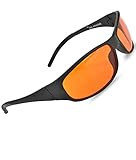
Overview: These premium amber glasses prioritize maximum blue light blockage for sleep optimization. Blocking 99.9% of light in the critical 450-510nm range—the most disruptive spectrum for melatonin production—these are designed for serious sleep hackers and high performers. The wraparound TR90 sports frame ensures comprehensive protection by eliminating peripheral light leakage.
What Makes It Stand Out: The wraparound design is a game-changer, preventing blue light from sneaking around frame edges—a common flaw in standard glasses. The 99.9% effectiveness in the specifically targeted 450-510nm range shows scientific precision. Trusted by entrepreneurs and athletes, these position themselves as a performance tool rather than a simple accessory.
Value for Money: At $35.95 for a single pair, these are a significant investment. However, the specialized wraparound design and precise wavelength targeting justify the premium for those prioritizing sleep quality above all else. Compared to sleep supplements or therapy, they’re a cost-effective long-term solution for circadian rhythm management.
Strengths and Weaknesses: Strengths include exceptional 99.9% blocking in the most disruptive range, wraparound peripheral protection, durable TR90 sports frames, and professional endorsement. Weaknesses: the high price point may deter casual users, the sports aesthetic isn’t suitable for all settings, and the intense tint severely limits their use for color-sensitive tasks.
Bottom Line: For sleep optimization enthusiasts and those with serious circadian rhythm concerns, these glasses are worth every penny. The wraparound design and precise filtration make them the most effective sleep-specific option, though the premium price and specialized design limit their versatility.
4. Sleep ZM Blue Light Blocking Glasses for Women + Men - Better Sleep + Anti Eye Strain Protection - Computer Screens & Gaming - Black Wayfarer - 99% Night-time Amber Lens

Overview: Sleep ZM combines style with function in these unisex wayfarer-style glasses. Filtering up to 99.9% of blue light in the 400-500nm range, they target both sleep quality and digital eye strain. The classic black frame design makes them socially acceptable for evening wear, while the TR90 construction ensures comfort during extended use.
What Makes It Stand Out: The wayfarer aesthetic is a major differentiator, offering a timeless style that most blue light glasses lack. The inclusion of a travel carry bag and cleaning cloth adds premium value. With UV 400 protection and scratch-resistant coating, these are built for durability and versatility beyond just evening screen use.
Value for Money: At $37.98, these are the most expensive single pair reviewed. However, the stylish design means you’ll actually wear them consistently, maximizing their effectiveness. The added accessories and durable coatings provide tangible value, making them competitively priced against designer blue light glasses that often cost twice as much for similar protection.
Strengths and Weaknesses: Strengths include fashionable wayfarer design, comprehensive 400-500nm blocking, included accessories, UV protection, and scratch-resistant coating. Weaknesses: the highest price point may not suit budget-conscious buyers, the style might not appeal to those preferring sportier looks, and the non-wraparound design allows some peripheral light.
Bottom Line: Perfect for style-conscious users who refuse to compromise between aesthetics and eye protection. The Sleep ZM glasses prove that functional health products can look good, making them ideal for professionals and fashion-aware consumers who need reliable blue light blocking in social settings.
5. Vbewo 2 Packs Professional Sleep Glasses with 99.9% Blue Light Blocking Dual AR Coatings Red Lens, Computer Gaming Glasses for Men Women, Anti Fatigue & Eye Strain

Overview: Vbewo offers a unique value proposition with a two-pack of professional-grade sleep glasses for the price of a single competitor. Featuring deep red lenses that block 99.99% of blue light with dual anti-reflective coatings, these glasses target both sleep quality and gaming performance. The retro square frame design aims to balance style with functionality.
What Makes It Stand Out: The two-pack configuration is unmatched value, providing a backup pair or allowing sharing. The red lenses (rather than amber) block an impressive 99.99% of blue light while reportedly enhancing contrast for gaming. Dual AR coatings reduce glare more effectively than standard lenses, and the bold retro aesthetic stands out from typical designs.
Value for Money: At $17.99 for two pairs ($9 each), these deliver premium features at budget pricing. The cost per pair is lower than any competitor while offering higher blocking percentages and advanced coatings. This represents exceptional value, essentially providing professional-grade protection for less than the price of entry-level alternatives.
Strengths and Weaknesses: Strengths include unbeatable two-pack pricing, 99.99% blocking with red lens technology, dual AR coatings, stylish retro design, and TR90 durability. Weaknesses: the bold style may not suit conservative tastes, red lenses cause more color distortion than amber, and the brand lacks the recognition of established competitors.
Bottom Line: The Vbewo two-pack is the smartest buy for budget-savvy shoppers wanting maximum protection. With professional features at an entry-level price, they’re ideal for gamers, remote workers, or couples wanting comprehensive blue light defense without breaking the bank.
6. Gaoye Blue Light Blocking Glasses - Fashion Square Eyeglasses, Anti UV Ray Computer Gaming Glasses Blue Blockers for Women/Men
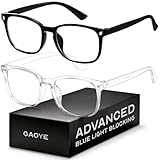
Overview: The Gaoye Blue Light Blocking Glasses offer an entry-level solution for casual screen users seeking basic protection. These fashion-square frames feature UV400-rated polycarbonate lenses with anti-reflective coating, designed to reduce digital eye strain during everyday computer, gaming, or TV viewing sessions. At just $7.99, they target budget-conscious consumers who want to test blue light blocking benefits without significant investment.
What Makes It Stand Out: Unbeatable affordability meets universal appeal with this unisex design. The lightweight polycarbonate construction ensures all-day wearability, while the high-transmittance lenses claim to restore true color better than heavily-tinted alternatives. Their non-prescription format makes them accessible costume accessories for cosplay or casual fashion statements.
Value for Money: At under eight dollars, these glasses deliver remarkable value for occasional users. While they won’t match premium models’ blocking percentages, they provide essential UV protection and moderate blue light filtration that surpasses wearing nothing at all. They’re ideal for students, remote workers on tight budgets, or as backup pairs for multiple locations.
Strengths and Weaknesses: Strengths include the ultra-low price point, comfortable lightweight frame, versatile styling, and basic protective features. Weaknesses involve unspecified blue light blocking percentage (likely 20-30%), basic build quality that may not withstand heavy use, and minimal specialized gaming features compared to dedicated models.
Bottom Line: Perfect for first-time users or those needing supplementary protection, the Gaoye glasses offer a risk-free introduction to blue light blocking. Don’t expect premium performance, but for casual daily use, they provide adequate protection at an impossible-to-beat price.
7. Okany Blue Light Blocking Glasses Gaming Computer Glasses Powerful Professional Screen Filter, 2.0 Upgraded Technology Anti-Fatigue Anti Glare UV Protection & Eyestrain Game Glasses for Women Men

Overview: The Okany Blue Light Blocking Glasses position themselves as a professional-grade solution for dedicated gamers and heavy screen users. Featuring 2.0 upgraded technology with yellow-tinted lenses and an 8-layer protective coating, these glasses promise comprehensive defense against digital eye strain. The $19.99 price point targets serious users seeking performance without premium cost.
What Makes It Stand Out: Engineered specifically for gaming marathons, the lightweight polycarbonate frame accommodates headsets comfortably. The multi-layer protection includes embedded blue light filters, 100% UVA/UVB blocking, anti-scratch, and anti-reflective coatings. This combination enhances contrast and reduces glare, potentially improving reaction times during competitive play.
Value for Money: At twenty dollars, these glasses bridge the gap between budget and premium options. The specialized gaming design and robust feature set justify the price increase over basic models. They offer professional-level protection that can reduce headaches and improve sleep quality, making them a worthwhile investment for daily gamers.
Strengths and Weaknesses: Strengths include the headset-compatible design, comprehensive 8-layer protection, durable shatterproof construction, and satisfaction guarantee. Weaknesses involve the yellow tint’s color distortion, which may affect visual media consumption, and the price being double that of entry-level alternatives.
Bottom Line: For gamers and professionals spending 6+ hours daily on screens, the Okany glasses deliver targeted protection and comfort. The specialized features and durable build make them a smart mid-range investment that prioritizes performance over absolute color accuracy.
8. ELEMENT LUX Blue Light Blocking Glasses | 99% Dark Amber Lenses | For Better Sleep, Gaming, Computer Screen Blocker, Eyestrain Relief

Overview: ELEMENT LUX Blue Light Blocking Glasses target sleep-conscious users with their signature 99% dark amber lenses. These premium glasses prioritize nighttime protection over daytime versatility, blocking substantially more blue light than clear alternatives. The $29.77 price reflects their specialized performance focus and included accessories.
What Makes It Stand Out: The dark amber tint blocks over 99% of blue light (400-500nm spectrum), directly targeting melatonin suppression for superior sleep support. Unlike competitors that allow peripheral blue light entry, the aviator-style design provides full eye coverage. The package includes a travel case, microfiber cloth, and a complimentary sleep guide, adding tangible value.
Value for Money: While the highest-priced option reviewed, the near-total blue light blocking justifies the cost for those with serious sleep issues. The TR90 frame material offers professional-grade durability and comfort, while the bundled accessories eliminate additional purchases. This is an investment in sleep quality rather than just eye comfort.
Strengths and Weaknesses: Strengths include maximum blue light blockage, comprehensive UV400 protection, quality TR90 construction, full coverage design, and valuable accessories. Weaknesses are significant color distortion making them unsuitable for color-critical work, and the high cost limiting casual purchase appeal.
Bottom Line: If sleep disruption is your primary concern, these are the gold standard. The 99% blocking rate delivers measurable results for insomniacs and shift workers. Accept the color trade-off and enjoy demonstrably better rest—these glasses fulfill their specific promise exceptionally well.
9. Goiteia 100% Orange Blue Light Blocking Glasses-Amber Tint Gaming Glasses for Better Sleep/Eyes Strain/Light Sensitive-Ultra Light & Spring Hinges for Better Comfort

Overview: Goiteia’s 100% Orange Blue Light Blocking Glasses take an uncompromising approach to blue light filtration with their deep amber lenses. Designed explicitly for sleep optimization and gaming, these glasses promise complete blockage in the melatonin suppression zone. The $19.99 price positions them as a high-performance mid-range option.
What Makes It Stand Out: The lenses filter 100% of blue light (380-500nm), double the protection of standard models. Flexible spring hinges accommodate various head sizes comfortably, while the TR90 frame with metal temples balances durability with elegance. The polycarbonate lenses offer superior clarity compared to cheaper TAC alternatives, reducing visual fatigue further.
Value for Money: These compete directly with premium brands at a moderate price point. The complete blue light blockage provides measurable sleep benefits that justify the cost for light-sensitive users. The adjustable hinges and quality materials ensure longevity, making them a cost-effective long-term solution.
Strengths and Weaknesses: Strengths include true 100% blue light blocking, comfortable spring hinge design, lightweight TR90 construction, and high-clarity PC lenses. Weaknesses involve extreme color distortion requiring monitor brightness adjustments, and the intense orange tint being too conspicuous for professional environments.
Bottom Line: For those needing maximum protection without maximum price, Goiteia delivers. The spring hinges make them exceptionally comfortable for extended wear, while the complete filtration ensures optimal sleep support. Accept the significant color shift and enjoy professional-grade protection at a reasonable cost.
10. livho DreamGaze Blue Light Blocking Glasses for Better Sleep - Night Driving Premium Computer Blockers for Man and Woman

Overview: livho DreamGaze Blue Light Blocking Glasses offer a balanced approach with their red-tinted lenses designed for evening use and night driving. These versatile glasses target users wanting substantial protection without the extreme tint of amber models. At $15.29, they provide accessible mid-tier performance for general consumers.
What Makes It Stand Out: The red-tinted lenses block a broad spectrum of blue-green light, creating a softer viewing experience than amber alternatives while still supporting melatonin production. The classic square frame offers universal styling that transitions from gaming sessions to casual office wear. Their screen-optimized design specifically addresses extended computer, console, and mobile use.
Value for Money: Positioned between budget and premium options, these glasses deliver solid performance at a reasonable price. The durable yet lightweight construction ensures daily wear comfort, while the moderate tint preserves more color accuracy than 99-100% blocking models. They represent excellent value for users wanting evening protection without daytime obsolescence.
Strengths and Weaknesses: Strengths include versatile red tint balancing protection and usability, timeless unisex design, robust build quality, and multi-screen optimization. Weaknesses involve less aggressive blue light blocking than amber models, and the red tint may still feel intense for users preferring clear lenses.
Bottom Line: A practical choice for evening screen users who need functional protection without severe color distortion. The livho DreamGaze glasses excel as a daily driver for mixed-use scenarios, making them ideal for users who game at night but work during the day.
The Science Behind Blue Light and Your Sleep Cycle
Your body operates on a finely tuned 24-hour internal clock known as your circadian rhythm, which orchestrates everything from hormone release to body temperature fluctuations. Light serves as the primary cue that keeps this clock synchronized with the external world. While natural sunlight during the day boosts alertness and mood, artificial blue light after sunset sends confusing signals to your brain’s suprachiasmatic nucleus—the master timekeeper.
Understanding Circadian Rhythms
Circadian rhythms aren’t just about feeling awake or sleepy; they regulate critical physiological processes including cellular repair, immune function, and metabolic health. When these rhythms fall out of sync due to artificial light exposure, the consequences extend far beyond a single night of poor sleep. Research published in the Journal of Clinical Endocrinology & Metabolism shows that even room-level light during sleep can impair glucose metabolism and cardiovascular function. Blue-light-blocking glasses act as a buffer, allowing you to maintain your evening routines while respecting your body’s evolutionary need for darkness.
How Evening Blue Light Disrupts Melatonin Production
Melanopsin-containing retinal ganglion cells in your eyes are exquisitely sensitive to blue light wavelengths (roughly 450-490 nanometers). When these cells detect blue light, they suppress pineal gland activity, delaying melatonin secretion by up to three hours. This doesn’t just make it harder to fall asleep; it reduces sleep quality, REM cycles, and next-day cognitive performance. Quality blue-light-blocking glasses filter these specific wavelengths, allowing your melatonin to rise naturally with the setting sun.
Why Your Evening Routine Needs Blue Light Protection
The average American spends over seven hours daily looking at screens, with much of that exposure occurring in the three hours before bedtime. This modern habit fundamentally conflicts with our biology, creating a chronic state of circadian misalignment that researchers now call “social jet lag.”
The Modern Digital Dilemma
Your evening routine likely involves multiple devices: finishing work on your laptop, checking social media on your phone, watching TV, and perhaps reading on a backlit e-reader. Each device emits varying intensities of blue light, creating a cumulative exposure that overwhelms your natural defenses. Blue-light-blocking glasses provide a unified solution, protecting you across all devices without requiring you to monitor screen time or toggle night modes that often prove insufficient.
Beyond Sleep: Other Evening Wellness Benefits
While sleep improvement remains the primary benefit, users report additional evening wellness advantages. Many experience reduced digital eye strain, fewer tension headaches, and decreased eye dryness during nighttime device use. The psychological ritual of putting on evening glasses also creates a cognitive boundary—signaling to your brain that work mode has ended and relaxation has begun. This mental shift can reduce evening anxiety and improve your overall wind-down routine.
Key Features to Look for in Blue-Light-Blocking Glasses
Navigating the market requires understanding which features genuinely impact performance versus marketing fluff. The most effective glasses combine optical precision with ergonomic design tailored specifically for evening use.
Lens Technology: Coatings vs. Infused Pigments
Blue light filtration happens through two primary methods. Coated lenses apply a thin filter layer that reflects certain wavelengths, often creating a subtle blue sheen on the lens surface. While cost-effective, these coatings can scratch or wear off over time. Infused pigment lenses incorporate blue-light-absorbing compounds directly into the lens material, providing more durable and comprehensive protection. For evening use, infused pigments—particularly those using melanin or proprietary amber compounds—offer superior performance by targeting the exact wavelengths that disrupt sleep.
Frame Styles That Prioritize Evening Comfort
Evening glasses should feel like a natural extension of your relaxation routine, not a bulky intrusion. Look for frames with ergonomic features like adjustable nose pads, flexible spring hinges, and temple arms designed for extended wear. Wraparound styles provide additional protection by blocking peripheral light, while minimalist designs offer barely-there comfort for reading in bed. The key is finding a balance between coverage and comfort that matches your specific evening activities.
Prescription vs. Non-Prescription Options
If you wear corrective lenses, you have several paths forward. Prescription blue-light-blocking glasses integrate the filter into your standard prescription, eliminating the need to layer glasses. Clip-on filters attach to existing frames but can feel cumbersome. Fit-over styles, designed to wear atop your regular glasses, offer a budget-friendly solution but sacrifice aesthetics. Many evening users find that non-prescription readers with blue light protection suffice for screen viewing, while keeping prescription glasses for other tasks.
Understanding Lens Tint Levels for Evening Use
The tint of your lenses directly correlates with their protective capacity and visual impact. Choosing the right level depends on your sensitivity, device usage, and how close to bedtime you’re wearing them.
Clear Lenses for Subtle Protection
Clear or nearly-clear lenses block 20-40% of blue light, primarily filtering the most damaging wavelengths while maintaining true color perception. These work best for early evening use (5-7 PM) when you’re still completing color-sensitive work like photo editing or design. However, their limited filtration makes them less effective for the critical pre-bed period when melatonin production should peak.
Amber and Yellow Tints for Moderate Blocking
Amber lenses block 65-75% of blue light across the spectrum, creating an ideal compromise for general evening use from dinner through early night. They warm screen colors without dramatic distortion, making them suitable for watching movies or casual browsing. The moderate tint also helps reduce glare and increase contrast, easing eye strain during extended screen sessions.
Red and Orange Lenses for Maximum Protection
For the ultimate evening transformation, red and orange lenses block 95-99% of blue light, essentially creating artificial darkness for your circadian system. These are your pre-bed powerhouses, perfect for the final two hours before sleep. While they significantly alter color perception—turning screens deep amber—they provide the strongest melatonin protection. Many users reserve these for reading mode or late-night scrolling, switching to lighter tints earlier in the evening.
Frame Materials That Matter for Nighttime Wear
The material composition of your frames affects not just durability and weight, but also skin comfort during extended evening wear when you’re likely removing and replacing them frequently.
Lightweight Options for Extended Use
Titanium and TR90 thermoplastic frames weigh as little as 10-15 grams, making them ideal for forgetting you’re even wearing them during three-hour movie marathons. These materials flex with your face shape and resist the temperature fluctuations that can make metal frames feel cold against your skin in cooler evening environments. For maximum comfort, look for frames under 20 grams with even weight distribution across the nose bridge and temples.
Hypoallergenic Materials for Sensitive Skin
Evening relaxation shouldn’t include skin irritation. If you experience redness or discomfort where frames contact your skin, prioritize hypoallergenic materials like pure titanium, acetate, or medical-grade silicone for nose pads. Avoid frames containing nickel or cheap alloys that can trigger contact dermatitis, especially when worn for hours during your wind-down routine.
Fit and Comfort: Ensuring All-Evening Wearability
A poorly fitting pair of glasses becomes a nuisance you’ll abandon, defeating their purpose. Evening-specific fit considerations go beyond standard measurements.
Measuring for the Perfect Fit
Your evening glasses should sit slightly farther from your eyes than reading glasses to prevent eyelash contact when you’re reclined on the couch or in bed. Measure your pupillary distance (PD) accurately—most adults range from 54-74mm. Frames should be wide enough to avoid temple pressure but narrow enough to prevent sliding. The ideal temple length allows the arms to curve gently behind your ears without digging in, crucial for side-sleepers who might doze off while wearing them.
Adjustable Features for Custom Comfort
Look for frames with adjustable silicone nose pads that prevent slipping during late-night reading sessions. Spring hinges accommodate different head sizes and reduce pressure points that cause headaches. Some premium evening glasses feature flexible temple tips that can be heat-molded by an optician for a truly custom fit, ensuring they stay secure whether you’re upright at your desk or propped up with pillows.
Style Considerations for Evening Wear
Function doesn’t require sacrificing style. Modern blue-light-blocking glasses come in designs that complement your evening aesthetic rather than clash with it.
From Home Office to Wind-Down Time
Transition seamlessly from final work tasks to personal time with versatile frame styles. Classic wayfarer or round shapes in matte finishes work equally well for professional video calls and casual evening relaxation. Transparent frames offer a subtle, modern look that disappears on your face, while tortoiseshell patterns add warmth that matches cozy evening vibes.
Matching Your Evening Aesthetic
Consider your evening environment when selecting frame colors. Warm metallics like rose gold or brushed bronze complement candlelit or lamp-lit rooms better than stark silver. If your evening routine involves meditation or mindfulness practices, minimalist rimless designs reduce visual clutter. For those who wear makeup in the evening, darker frames can smudge less visibly than light-colored options.
Price Points and What to Expect
The blue-light-blocking glasses market spans from $10 pharmacy finds to $300+ designer pairs. Understanding what you’re paying for helps you invest wisely in your sleep health.
Budget-Friendly Entry Points
Quality entry-level glasses ($20-50) now offer decent protection using basic coated lenses and standard acetate frames. These work well for testing whether blue light glasses fit your lifestyle. However, they often lack durability and precise wavelength filtration, making them a short-term solution rather than a transformative evening tool.
Premium Features Worth the Investment
Spending $100-200 unlocks infused pigment lenses with documented wavelength testing, premium lightweight materials, and professional frame adjustments. This tier often includes multi-layer anti-reflective coatings that reduce glare from overhead lighting—a common evening irritant. High-end options ($200+) may offer progressive lenses with graduated blue light protection, transitioning from lighter to darker tints for seamless evening progression.
Common Mistakes When Choosing Blue Light Glasses
Many buyers select glasses based on marketing claims rather than scientific specifications, leading to disappointment and abandoned pairs collecting dust on nightstands.
Ignoring Wavelength Specifications
The most critical mistake is purchasing glasses that don’t specify which wavelengths they block. Quality manufacturers publish spectrophotometer results showing exact filtration percentages at 450nm, 470nm, and 480nm—the peak disruption zones. Vague claims like “blocks harmful blue light” without data are red flags. For evening use, ensure your glasses block at least 80% of light in the 450-480nm range.
Choosing Style Over Function
That trendy oversized frame might look Instagram-perfect but could slide down your nose during reclined reading. Similarly, choosing the lightest possible tint because it looks better often defeats the purpose for serious sleep improvement. Prioritize function for your primary evening pair, then consider a secondary fashion pair for early evening social screen time if budget allows.
Integrating Glasses Into Your Evening Routine
Owning the perfect pair means nothing without consistent use. Strategic integration transforms them from an accessory into an essential sleep hygiene tool.
The Golden Hour Strategy
Begin wearing amber or orange-tinted glasses 2-3 hours before your target bedtime. This “golden hour” approach gives your melatonin time to rise naturally. Create a ritual: when you finish dinner, clean up, then put on your glasses as a signal that the day’s productive work is complete. Keep multiple pairs—one at your desk, one by the TV, one on your nightstand—to eliminate barriers to consistent use.
Pairing with Other Sleep Hygiene Practices
Maximize benefits by combining glasses with other evidence-based practices. Dim overhead lights to under 50 lux when you don your glasses. Switch devices to dark mode to reduce overall brightness. Use your protected screen time for calming activities—reading, gentle puzzles, or meditation apps—rather than stimulating work emails or intense gaming. The glasses work best as part of a comprehensive evening wind-down protocol.
Caring for Your Blue-Light-Blocking Glasses
Specialized lenses require different care than standard eyewear to maintain their protective properties and optical clarity through nightly use.
Cleaning Specialized Lenses Properly
Avoid alcohol-based cleaners that can degrade lens coatings and pigments. Instead, use microfiber cloths with lens cleaning solutions specifically formulated for coated optics. Gently blow off dust before wiping to prevent scratching the delicate filter surface. Never use paper towels or clothing, which contain abrasive fibers. Clean your evening glasses every morning to remove skin oils and residue that accumulate during wear.
Storage Solutions for Longevity
Store your glasses in a hard case away from direct sunlight, which can degrade lens pigments over time. Keep them in a consistent location—perhaps a decorative box on your nightstand—so they become part of your evening environment. If you own multiple pairs with different tints, organize them by use case: clear for early evening, amber for general use, red for pre-bed.
The Future of Blue Light Protection Technology
The blue light glasses market continues evolving rapidly, with innovations promising even more seamless integration into evening routines.
Emerging Innovations
Photochromic blue light lenses that automatically adjust tint based on ambient light and time of day are entering the market. These “smart” lenses could transition from clear during daytime work to deep amber as evening approaches. Other developments include lenses that block specific percentages of different blue light wavelengths rather than broad-spectrum filtration, allowing for more personalized protection.
Smart Features on the Horizon
Integrations with sleep tracking apps could soon allow glasses to remind you when to put them on based on your sleep debt. Some prototypes feature built-in sensors that measure your actual blue light exposure and adjust filtration accordingly. While these features remain premium, they point toward a future where blue light protection becomes adaptive and personalized rather than one-size-fits-all.
Debunking Myths About Blue Light Glasses
Misinformation clouds the blue light glasses conversation, making it difficult to separate science from marketing spin.
Separating Fact from Marketing Hype
Myth: All blue light is harmful. Reality: Blue light during daytime is beneficial for alertness and mood. The problem is timing and intensity during evening hours. Myth: Blue light glasses cure digital eye strain completely. Reality: While they help, the 20-20-20 rule (looking 20 feet away for 20 seconds every 20 minutes) and proper blinking remain essential. Understanding these nuances helps you set realistic expectations for your evening routine transformation.
What the Research Really Says
Peer-reviewed studies confirm that blue-light-blocking glasses worn in the evening significantly improve sleep quality and mood in shift workers and general populations. A 2021 meta-analysis in Chronobiology International found consistent melatonin level improvements of 58% when participants wore blue light glasses for 2-3 hours before bed. However, results vary based on lens quality and consistency of use—highlighting the importance of choosing well-documented products and building a reliable routine.
When to Wear Your Glasses for Maximum Benefit
Timing is as crucial as lens quality when it comes to protecting your evening routine.
Timing Your Protection
Start with clear or lightly tinted glasses around sunset if you live in regions with long summer daylight hours. Transition to amber lenses after dinner, typically 7-8 PM for most schedules. Switch to red/orange lenses for the final 90 minutes before bed. This graduated approach mirrors natural light changes, gently preparing your body for sleep rather than creating an abrupt transition that might feel jarring.
Situations That Warrant Extra Protection
Certain activities demand stronger protection: gaming with high-intensity screens, using multiple monitors simultaneously, or exposure to bright LED overhead lighting. During these high-exposure periods, wear your strongest tint even earlier in the evening. Conversely, if you’re simply listening to podcasts with your phone face-down, lighter protection suffices. Learn to assess your exposure and adjust accordingly.
Frequently Asked Questions
Do blue light glasses really work for sleep, or is it just a placebo?
Quality blue-light-blocking glasses with documented wavelength filtration absolutely work. Multiple peer-reviewed studies show they increase melatonin production by 50-60% when worn 2-3 hours before bedtime. The key is choosing glasses that specifically block 80%+ of wavelengths between 450-480nm. Placebo effects may occur with cheap, untested lenses, but scientifically designed glasses produce measurable hormonal changes.
When exactly should I start wearing them in the evening?
Begin 2-3 hours before your intended bedtime. If you sleep at 11 PM, put on amber or orange-tinted glasses around 8-9 PM. For early evening screen use (5-7 PM), clear lenses suffice. The critical period is the final 90 minutes before sleep—this is when even minimal blue light exposure can delay melatonin by over an hour.
Can I wear blue light glasses over my prescription glasses?
Fit-over styles are specifically designed for this, with larger frames that comfortably cover existing eyewear. Alternatively, ask your optometrist about adding blue light filtration to your next prescription lens update. Clip-on filters are another option, though they can be less comfortable for extended wear. For frequent use, prescription blue light glasses are worth the investment.
What’s the difference between $20 and $200 blue light glasses?
The difference lies in lens technology, material quality, and verified testing. Budget pairs typically use basic coatings that block 20-40% of blue light and may wear off within months. Premium glasses use infused pigments blocking 80-99% of targeted wavelengths, with durable anti-reflective coatings and professional frame adjustments. They also come with spectrophotometer reports verifying their claims.
Will orange or red lenses make everything look weird?
Yes, they significantly alter color perception, turning screens deep amber and muting blues and greens. This is actually the point—they’re designed for maximum protection when color accuracy doesn’t matter. Most users adapt within minutes and find the warm tones soothing. Use these tints for reading, social media, or TV, not for color-critical work like photo editing.
Can I wear blue light glasses all day?
You can, but you shouldn’t want to. Daytime blue light is beneficial for alertness, mood regulation, and maintaining a healthy circadian rhythm. Wearing strong blue blockers during the day can make you feel sluggish and may actually disrupt your natural rhythm. Reserve heavily tinted glasses for evening use; clear blue light lenses are fine for daytime if you experience eye strain.
Do they help with digital eye strain and headaches?
Partially. Blue light contributes to digital eye strain, but the main culprits are screen flicker, glare, and reduced blinking. Blue light glasses help by reducing glare and improving contrast, especially amber tints. However, combine them with the 20-20-20 rule, proper screen distance, and conscious blinking for complete relief. Many users report fewer tension headaches, likely due to reduced glare and relaxed visual processing.
Are there any side effects from wearing blue light glasses?
No negative health effects exist from filtering artificial blue light. Some users report initial disorientation with heavily tinted lenses, but this passes within minutes. The only “side effect” is positive: improved sleep. Avoid wearing them while driving at night, as amber and red tints can reduce visibility of blue signals and street signs.
How do I know if I personally need blue light glasses?
If you use screens within 3 hours of bedtime and experience difficulty falling asleep, frequent nighttime waking, or non-restorative sleep, you’re a prime candidate. Shift workers, night owls with early work schedules, and those living in urban environments with bright LED lighting benefit most. Try a quality pair for two weeks and track your sleep latency (time to fall asleep) and morning alertness.
Can children use blue light glasses for their evening screen time?
Yes, children’s developing eyes are actually more vulnerable to blue light, and their circadian rhythms are more sensitive to disruption. For kids, prioritize shatterproof polycarbonate lenses, flexible frames, and lighter tints that block 50-60% of blue light—strong enough to help but not so dark that it alarms them. Establish a “glasses on” rule 1-2 hours before bed as part of their routine.