Thefirst time you wrestle a wiggly toddler into their car seat, you realize this isn’t just another baby registry item—it’s a daily tool that will shape your family’s safety and sanity for years. Unlike infant carriers that last a year, a quality convertible car seat becomes your silent partner through growth spurts, snack catastrophes, and road trip meltdowns. The right choice transforms from a rear-facing cocoon for your 15-month-old into a forward-facing fortress for your preschooler, eventually morphing into a booster that makes your kindergartener feel like royalty.
But here’s what the product descriptions won’t tell you: not all “convertible” seats are created equal when it comes to actual longevity. The difference between a seat that barely ekes out three years and one that truly goes the distance lies in the details hidden in weight limits, torso height measurements, and harness adjustability. Understanding these nuances before you buy means the difference between a one-time investment and shopping for another seat when your child hits an unexpected growth spurt.
Top 10 Convertible Car Seats for Toddlers
Detailed Product Reviews
1. Graco Extend2Fit Convertible Baby Car Seat, Rear and Forward Facing, Adjustable Extension Panel for Extra Legroom, Gotham

Overview:
The Graco Extend2Fit Convertible Car Seat is a premium safety solution designed for parents prioritizing extended rear-facing protection. Supporting children from 4 to 50 pounds rear-facing and up to 65 pounds forward-facing, this seat adapts through toddler years. The Gotham colorway offers a sleek, gender-neutral aesthetic that blends into most vehicle interiors while delivering Graco’s renowned safety engineering.
What Makes It Stand Out:
The revolutionary Extend2Fit 4-position extension panel provides five additional inches of legroom, enabling children to comfortably remain rear-facing until 50 pounds—significantly longer than standard seats. The Graco ProtectPlus Engineered certification exceeds federal standards for frontal, side, and rollover impacts. The No-Rethread Simply Safe Adjust Harness System simultaneously adjusts the headrest and harness in one smooth motion, eliminating rethreading hassles as your child grows.
Value for Money:
At $249.99, this seat commands a premium price but delivers exceptional value through its extended rear-facing capability and robust safety features. While more expensive than basic convertibles, it eliminates the need for an infant seat upgrade and potentially extends rear-facing by two years, making it cost-effective for safety-focused families compared to buying multiple seats.
Strengths and Weaknesses:
Strengths: Industry-leading 50-pound rear-facing limit; Extend2Fit panel for comfort; premium ProtectPlus safety engineering; effortless harness adjustment; grows with child from infancy to 65 pounds.
Weaknesses: Bulkier design won’t fit three-across; higher price point; extension panel requires additional vehicle space when extended; heavier than travel-friendly models.
Bottom Line:
The Graco Extend2Fit is an outstanding investment for safety-conscious parents wanting to maximize rear-facing duration. Its innovative legroom extension and superior safety certifications justify the premium price, though families needing multiple backseat seats should verify vehicle fit first.
2. Safety 1st Ellaris 3-in-1 Convertible Car Seat, Slim Fit Design, Rear & Forward-Facing, 5-Position Headrest, 3-Across Fit, Travel-Friendly with Machine-Washable Seat Pad, Smokey Haze

Overview:
The Safety 1st Ellaris 3-in-1 Convertible Car Seat delivers versatile protection at an accessible price point. Designed for extended use from infancy through toddlerhood, this seat accommodates children from 5 to 65 pounds across three configurations. The Smokey Haze fabric provides a modern, stain-resistant finish while the slim profile addresses space constraints in compact vehicles.
What Makes It Stand Out:
Remarkably slim design allows three-across installation in most vehicles, solving a common family dilemma. At under $100, it includes premium conveniences like machine-washable and dryer-safe seat pads plus dishwasher-safe cup holders. The travel-friendly compact design is aircraft-approved, making it ideal for flying families. Hook-style LATCH connectors simplify installation compared to traditional rigid attachments.
Value for Money:
At $99.99, the Ellaris represents exceptional value, costing less than half of premium competitors while delivering core safety requirements. It lacks the extended rear-facing limits and all-in-one booster functionality of pricier models, but for families needing multiple seats or a secondary travel unit, it’s nearly unbeatable. The included conveniences typically found on $200+ seats make it a budget champion.
Strengths and Weaknesses:
Strengths: Extremely affordable; slim 3-across compatibility; airplane-ready design; easy-clean features; simple LATCH installation; adjustable 5-position headrest.
Weaknesses: Limited 40-pound rear-facing maximum; no booster mode reduces total lifespan; basic side impact protection compared to premium brands; shorter expiration period than all-in-one seats.
Bottom Line:
The Safety 1st Ellaris is a practical choice for budget-minded families or those needing to fit three seats across. While it sacrifices extended rear-facing and booster capabilities, its slim design, travel readiness, and unbeatable price make it perfect as a secondary seat or for growing families on a budget.
3. Safety 1st Grow and Go All-in-One Slim Convertible Car Seat, Rear Facing, 5-40 lbs, Forward Facing (30–65 lbs), High Back Booster Seat 40-100 pounds, Alaskan Blue

Overview:
The Safety 1st Grow and Go All-in-One Convertible Car Seat offers a complete 10-year transportation solution from birth to booster. Supporting children from 5 to 100 pounds across three distinct stages—rear-facing, forward-facing, and belt-positioning booster—this seat eliminates the need for multiple purchases. The Alaskan Blue colorway features a calming, gender-neutral palette with plush padding for enhanced comfort.
What Makes It Stand Out:
True all-in-one functionality extends to 100 pounds in booster mode, providing unmatched longevity. The QuickFit harness system streamlines headrest and harness adjustments simultaneously, saving time during growth spurts. Thoughtful design includes grow-with-me infant pillows for newborns and a 3-position recline for optimal installation angles. Washer-dryer safe pad with snap-off convenience simplifies inevitable mess cleanup.
Value for Money:
Priced at $159.99, this seat delivers remarkable long-term value by covering three typically separate purchases. While mid-range in price, its 10-year lifespan averages just $16 annually—far less than buying infant, convertible, and booster seats separately. It bridges the gap between budget and premium options, offering extended use without the $200+ price tag of competitors with similar functionality.
Strengths and Weaknesses:
Strengths: Complete 3-stage use to 100 pounds; QuickFit easy adjustment; machine-washable pad with snaps; included infant pillows; 3-position recline; meets federal side impact standards.
Weaknesses: Bulkier than slim-fit models; 40-pound rear-facing limit less than premium extenders; may not fit three-across; harness straps can twist more easily than premium brands.
Bottom Line:
The Safety 1st Grow and Go is an excellent one-and-done solution for families wanting a single seat from birth through booster age. Its easy-clean features and full-stage coverage make it ideal for primary use, though those needing three-across should measure their vehicle first.
4. Graco Slimfit 3-in-1 Convertible Car Seat, Ultra-Space-Saving Design, Jarret, Suitable for Rear and Forward-Facing, Highback Booster Seat with 10-Position Headrest

Overview:
The Graco Slimfit 3-in-1 Convertible Car Seat masterfully balances premium safety with space-saving design. Accommodating children from 5 to 100 pounds across rear-facing, forward-facing, and highback booster modes, this seat grows with your child for a decade. The Jarret color scheme provides a sophisticated, neutral aesthetic that complements any vehicle interior while maintaining Graco’s rigorous safety standards.
What Makes It Stand Out:
Innovative rotating dual integrated cup holders pivot inward, reducing overall width by 10% to create a truly slim profile without sacrificing convenience. This unique mechanism allows three-across installation in many vehicles where other 3-in-1 seats won’t fit. The 10-position headrest offers more customization than most competitors, while Graco ProtectPlus Engineering exceeds rigorous crash testing standards. The No-Rethread harness system enables one-handed height adjustments.
Value for Money:
At $239.99, the Slimfit competes directly with premium convertibles but adds space-saving innovation. While priced similarly to the Extend2Fit, it trades legroom extension for slimness—valuable for families requiring multiple seats. The 10-year lifespan and three-stage functionality justify the cost over buying separate seats, making it a smart investment for multi-child households needing premium safety in limited space.
Strengths and Weaknesses:
Strengths: Space-saving rotating cup holders; 10-position headrest; Graco ProtectPlus safety; full 3-in-1 functionality; easy no-rethread harness; fits three-across in many vehicles.
Weaknesses: Premium pricing; no extension panel for rear-facing legroom; rotating cup holders may feel less sturdy; heavier than dedicated travel seats.
Bottom Line:
The Graco Slimfit excels for families prioritizing both premium safety and space efficiency. Its innovative slimming mechanism and full-stage coverage make it ideal for multi-child vehicles, though those wanting extended rear-facing legroom should consider the Extend2Fit instead.
5. Baby Trend Trooper™ Slim 3-in-1 Convertible Car Seat, Quartz Pink

Overview:
The Baby Trend Trooper Slim 3-in-1 Convertible Car Seat delivers streamlined protection for space-conscious families on a budget. Designed for children from 4 to 65 pounds across three modes, this seat prioritizes easy installation and slim profile over premium frills. The Quartz Pink offers a soft, gender-specific option with deep side wings for enhanced protection.
What Makes It Stand Out:
At just 17.75 inches wide, it’s among the slimmest convertible seats available, enabling three-across installation in most vehicles without premium pricing. The innovative rear-facing recline flip foot and built-in bubble level indicator eliminate guesswork during installation—a standout feature rarely seen at this price point. Lightweight construction allows LATCH use up to 55 pounds, exceeding many heavier competitors’ limits.
Value for Money:
At $119.99, the Trooper offers exceptional slim-design value, costing $100+ less than premium slim competitors. While lacking booster mode and premium padding, it excels as a secondary seat or for families needing multiple narrow installations. The installation aids alone justify the price compared to confusing budget alternatives.
Strengths and Weaknesses:
Strengths: Ultra-slim 17.75" width; budget-friendly price; excellent installation aids; lightweight for LATCH; deep side wings; fits three-across easily.
Weaknesses: No booster mode limits lifespan; lower weight ranges than competitors; basic padding and comfort features; shorter warranty period; limited recline positions.
Bottom Line:
The Baby Trend Trooper is perfect for families needing an affordable, narrow seat for three-across configurations or as a backup. Its superior installation features and slim profile outweigh limited padding and lifespan, making it a practical choice for multi-car families or tight budgets.
6. Graco TriRide 3-in-1 Convertible Car Seat - Highback Booster, Forward & Rear Facing Modes, Suitable from Newborn to Preschooler, Perfect for Long Journeys in Redmond Color

Overview: The Graco TriRide 3-in-1 Convertible Car Seat delivers comprehensive protection from birth to booster, accommodating children from 5 to 100 pounds through three distinct modes. This single-seat solution transitions seamlessly from rear-facing infant carrier to forward-facing harness seat and finally to a highback booster, eliminating the need for multiple purchases throughout your child’s early years.
What Makes It Stand Out: Graco’s ProtectPlus engineering sets this seat apart, exceeding federal safety standards for side-impact and rigorous crash testing. The No-Rethread Simply Safe Adjust system synchronizes the 10-position headrest and harness in one smooth motion, ensuring proper fit as your child grows. Six recline positions provide superior comfort and installation flexibility compared to competitors.
Value for Money: At $199.99, the TriRide represents solid mid-range value. While pricier than budget options, it replaces three separate seats you’d otherwise buy, saving $150-300 long-term. The premium safety engineering and convenience features justify the cost over basic models, though it competes with seats offering extended rear-facing limits.
Strengths and Weaknesses: Strengths include comprehensive 3-in-1 functionality, superior safety testing, effortless harness adjustment, and versatile recline options. The seat feels substantial and well-constructed. Weaknesses are the 40-pound rear-facing limit (lower than some premium competitors), potentially bulky footprint in compact vehicles, and a price point that may stretch tight budgets.
Bottom Line: The Graco TriRide is an excellent investment for families seeking one-and-done convenience without compromising safety. It’s ideal for parents prioritizing ease-of-use and comprehensive protection from infancy through early childhood, provided your vehicle space and budget accommodate its mid-range positioning.
7. Safety 1st Grow and Go All-in-One Slim Convertible Car Seat, Rear Facing, 5-40 lbs, Forward Facing (30–65 lbs), High Back Booster Seat 40-100 pounds, Vineyard Girl
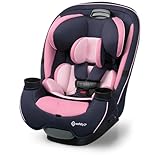
Overview: The Safety 1st Grow and Go All-in-One Slim Convertible Car Seat offers extended use from newborn to grade-schooler, supporting 5 to 100 pounds across three stages. Its space-saving design makes it particularly appealing for families with multiple children or compact vehicles where every inch matters.
What Makes It Stand Out: The standout feature is undoubtedly the washer-and-dryer-safe seat pad with snap-off convenience, plus dishwasher-safe cupholders—addressing one of parents’ biggest pain points: cleaning. The QuickFit harness system simplifies headrest and harness adjustments simultaneously, while the included grow-with-me infant pillows provide customized newborn support.
Value for Money: Priced at $159.99, this seat delivers exceptional value for budget-conscious families. It provides full 3-in-1 functionality at roughly $40 less than comparable Graco models. The easy-clean features save considerable time and effort, translating to real-world value beyond the purchase price, though it lacks some premium adjustments.
Strengths and Weaknesses: Strengths include the slim profile, effortless cleaning, included infant inserts, and competitive pricing. The three-position recline is adequate but limited compared to premium options. The forward-facing harness starts at 30 pounds (not 26.5), and the overall build feels slightly less robust than higher-priced competitors. Installation can be finicky in some vehicles.
Bottom Line: This seat is perfect for practical parents seeking maximum functionality on a moderate budget. The slim design and easy-clean features make it ideal for families with multiple kids or those wanting hassle-free maintenance, provided you accept fewer recline options and a slightly lower weight threshold.
8. Safety 1st Grow and Go All-in-One Slim Convertible Car Seat, Rear Facing, 5-40 lbs, Forward Facing (30–65 lbs), High Back Booster Seat 40-100 pounds, Black Phantom

Overview: The Safety 1st Grow and Go All-in-One Slim Convertible Car Seat in Black Phantom offers identical functionality to its Vineyard Girl counterpart, supporting children from 5 to 100 pounds through three stages. This neutral colorway appeals to parents preferring understated aesthetics while delivering the same space-saving design.
What Makes It Stand Out: Like its sibling model, this seat’s primary distinction lies in its parent-friendly cleaning features—machine-washable seat pad with snap removal and dishwasher-safe cupholders. The QuickFit harness system enables one-motion headrest and harness adjustment, while the two removable infant pillows provide tailored newborn support.
Value for Money: At $162.89, this Black Phantom version commands a modest $3 premium over the Vineyard Girl color, likely due to manufacturing variances or demand. It maintains the same excellent value proposition—full 3-in-1 functionality at approximately $40 less than Graco alternatives, with time-saving cleaning features that justify the investment.
Strengths and Weaknesses: Strengths mirror the Vineyard Girl model: slim profile, effortless cleaning, included infant inserts, and strong affordability. The three-position recline is functional but limited. The neutral black aesthetic hides stains better but shows lint. Same potential installation quirks and slightly less premium feel than higher-priced competitors remain.
Bottom Line: Choose the Black Phantom for the same practical, budget-friendly 3-in-1 solution with a more versatile color scheme. It’s ideal for families prioritizing easy maintenance and space efficiency, with the neutral tone seamlessly matching any vehicle interior while delivering identical performance to the Vineyard Girl version.
9. Evenflo Tribute LX Convertible Car Seat (Saturn Gray)

Overview: The Evenflo Tribute LX Convertible Car Seat is a compact, travel-friendly option designed for families seeking safety on a budget. Accommodating children from 5 to 40 pounds in both rear and forward-facing modes, this lightweight seat prioritizes portability and smaller vehicle compatibility over extended-use features.
What Makes It Stand Out: Weighing significantly less than full-featured convertibles, the Tribute LX excels as a secondary seat for grandparents’ vehicles or air travel. Its compact footprint fits three-across in many vehicles, while the upfront harness adjustment allows quick, accurate fitting. The removable, dishwasher-safe cup holder adds convenience without bulk.
Value for Money: At $99.99, this seat delivers unbeatable value for specific use cases. It’s not a full 3-in-1, but as a primary seat for smaller children or secondary travel seat, it’s exceptional. Families save considerably versus premium models, though they’ll need a separate booster later, making it best for infants and toddlers under 40 pounds.
Strengths and Weaknesses: Strengths include affordability, lightweight portability, compact size, and simple operation. The 40-pound forward-facing limit is a major limitation—most children outgrow it by age four. It lacks recline options, premium padding, and booster functionality. Side-impact protection is basic but meets federal standards.
Bottom Line: The Tribute LX is perfect as a secondary seat or for budget-conscious families with smaller vehicles. It’s not a long-term solution, but excels for travel, grandparents’ cars, or until kindergarten. Invest if you prioritize portability and value over extended-use features and plan to purchase a booster separately later.
10. Graco Tranzitions 3-in-1 Harness Booster Car Seat, Forward Facing Car Seat, Highback, to Backless Booster, Proof

Overview: The Graco Tranzitions 3-in-1 Harness Booster is a forward-facing-only seat designed for toddlers through youth, accommodating 26.5 to 100 pounds across three configurations. Its lightweight, portable design makes it ideal for families needing to frequently transfer seats between vehicles or travel.
What Makes It Stand Out: Exceptional portability defines this seat—weighing considerably less than convertible models while maintaining 3-in-1 functionality. The No-Rethread Simply Safe Adjust system synchronizes the 9-position headrest and harness in one motion. The transition from highback to backless booster provides extended utility without purchasing additional seats.
Value for Money: At $149.90, the Tranzitions offers strong value for parents of toddlers and preschoolers. It lacks infant functionality, but for families with children already forward-facing, it covers years of use at a mid-range price. The portability factor adds unique value for caregivers managing multiple vehicles or carpools.
Strengths and Weaknesses: Strengths include outstanding portability, easy adjustment, versatile booster modes, and reasonable price. The lightweight build doesn’t compromise safety. Major weakness is the absence of rear-facing mode, making it unsuitable for children under approximately two years old. The forward-facing harness tops out at 65 pounds, earlier than some competitors.
Bottom Line: The Tranzitions is an excellent choice for parents seeking a portable, easy-to-transfer seat for toddlers and beyond. It’s perfect for second cars, carpools, and travel. Don’t purchase if you need rear-facing capability, but for forward-facing children, it delivers convenience and longevity that’s hard to match at this price point.
Why Convertible Car Seats Are the Smartest Investment for Growing Families
Understanding the Convertible Advantage
Convertible car seats bridge the critical transition from infant carrier to big-kid booster, typically serving children from around 5 pounds up to 65 pounds or more. This extended lifespan means you’re not just buying a seat—you’re purchasing peace of mind through multiple developmental stages. The financial math alone makes a compelling case: one $300 convertible seat over six years costs roughly $0.14 per day, compared to buying three separate specialized seats.
Beyond economics, convertible seats offer safety continuity. Your child becomes familiar with one harness system, one buckle sound, one seating environment. This familiarity reduces daily battles and increases compliance, especially during those independent toddler phases where “no” becomes a reflex. The psychological comfort of a consistent safety space shouldn’t be underestimated when you’re navigating the emotional rollercoaster of early childhood.
The Cost-Per-Use Value Proposition
When evaluating price tags, calculate the cost-per-pound of child accommodated. A seat rated to 65 pounds forward-facing delivers fundamentally better value than one maxing out at 50 pounds, even if the upfront cost is $50 higher. Consider also the booster mode weight limit—some seats safely boost children to 120 pounds, effectively covering them until they’re ready for a standard seat belt alone. This final phase can add two to three additional years of use, making premium models with higher limits a strategic financial decision.
Safety Certifications Every Parent Must Understand
Federal Motor Vehicle Safety Standards (FMVSS) 213
Every car seat sold in the United States must meet FMVSS 213, but understanding what this actually means helps you spot marketing fluff versus real safety engineering. This standard specifies crash test performance at 30 mph, structural integrity requirements, and labeling mandates. However, it represents a minimum threshold, not a gold standard. The real differentiators lie in how far manufacturers exceed these baseline requirements through additional testing protocols.
Look for seats that undergo rigorous side-impact testing, even though federal standards don’t currently require it. Manufacturers who voluntarily test beyond FMVSS 213 demonstrate a commitment to real-world safety scenarios, particularly important for convertible seats that will face various impact angles over their long lifespan.
Side-Impact Protection Testing
Side-impact collisions account for 25% of crash fatalities but receive less regulatory attention than frontal impacts. Premium convertible seats incorporate deep side wings, energy-absorbing foam, and reinforced headrests specifically designed for these scenarios. When examining a seat, feel the side structure—substantial, firm padding that extends above your child’s head when installed indicates robust side-impact engineering.
Some manufacturers conduct sled tests simulating T-bone crashes at higher speeds than required. While they can’t legally advertise these results as “safer” than competitors due to federal regulations, the presence of SIP (Side Impact Protection) labels and detailed technical specifications in the manual often indicates this additional testing.
Extended Rear-Facing Safety Benefits
The American Academy of Pediatrics recommends rear-facing until at least age 2, but newer research suggests staying rear-facing until age 4 provides optimal protection. Convertible seats with high rear-facing weight limits (40-50 pounds) and tall shell heights make this possible. The physics are straightforward: in a frontal collision, a rear-facing seat cradles the child’s entire body, distributing crash forces across the shell rather than concentrating them on the neck and spine.
When shopping, prioritize seats with rear-facing height limits that accommodate the 99th percentile for toddler height. This typically means a shell height of at least 28 inches from seat bottom to top. Your 18-month-old may seem cramped, but as long as their head remains at least one inch below the shell top, they’re safer rear-facing than turned forward.
Weight and Height Limits: Decoding the Numbers
Rear-Facing Capacity: The Gold Standard
Rear-facing limits separate premium seats from budget options that force early transitions. A 40-pound rear-facing limit serves most children until age 3, while 50-pound capacities often accommodate kids until 4 or beyond. But weight tells only half the story—height limits prove equally critical. Measure your child’s seated height (bottom to top of head) and compare it to the seat’s shell height minus one inch.
The best convertible seats feature adjustable headrests that extend the usable height while rear-facing. This design innovation means the seat grows vertically with your child, not just accommodating weight gains. Check the manual for specific torso height limits, as some manufacturers provide this more precise measurement rather than just overall height.
Forward-Facing Limits: Planning for Growth
Once turned forward, your child will likely use this mode longest—typically ages 3 to 6. Forward-facing harness weight limits of 65 pounds have become standard, but the height limit determines actual usability. Look for harness slots positioned at least 18 inches from the seat bottom, with the top slot reaching 20 inches or higher. This ensures the harness can properly fit a child with a long torso, who might hit height limits before weight limits.
The best designs include continuously adjustable headrests that raise the harness automatically, eliminating the need to rethread straps through different slots. This no-rethread feature becomes invaluable when you’re adjusting the seat monthly during growth spurts.
Booster Mode Longevity
Seats that convert to belt-positioning boosters extend usability to 8-10 years old. Key features include adjustable belt guides that properly position the vehicle’s shoulder belt across your child’s chest, not neck. The lap belt should sit low across the hips, not the stomach. Premium models offer premium latch connectors in booster mode, keeping the seat stable when unoccupied and preventing it from becoming a projectile in a crash.
Evaluate the booster’s weight limit—100 pounds is standard, but 120-pound capacities accommodate larger children or those who grow faster. The seat’s width matters too; a booster that narrows at the top provides better belt fit as children become more proportional.
Installation Systems: LATCH vs. Seat Belt
The 65-Pound LATCH Limitation
Many parents don’t realize that LATCH (Lower Anchors and Tethers for Children) systems have weight limits. When your child reaches 65 pounds combined weight (child + car seat), you must switch to seat belt installation. For a 25-pound seat, this means abandoning LATCH when your child hits 40 pounds. Since most children reach 40 pounds before age 4, you’ll rely on seat belt installation during the forward-facing years.
This limitation makes seat belt installation proficiency non-negotiable. The best convertible seats feature clear, color-coded belt paths and lock-off devices that make seat belt installation as secure as LATCH. Test this in your vehicle before purchasing—some seat designs work better with certain vehicle belt geometries.
Seat Belt Installation Mastery
A properly installed seat using the vehicle’s seat belt is just as safe as LATCH, sometimes safer in older vehicles. Look for seats with built-in lock-offs that clamp the seat belt, eliminating the need to use the vehicle’s locking mechanism. This feature proves especially valuable when switching the seat between vehicles frequently.
Practice installation in your car before your child needs the seat. A dry run reveals whether the belt path is accessible, if the seat sits level, and how much force is required for a tight install. The seat shouldn’t move more than one inch side-to-side at the belt path when properly secured.
Harness Systems: Your Child’s Primary Protection
The 5-Point Harness Advantage
Five-point harnesses distribute crash forces across the strongest parts of a child’s body—shoulders, hips, and between the legs. This design keeps the child positioned correctly during impact and prevents ejection. The harness webbing width matters; narrower straps can dig into shoulders, while wider, padded straps distribute pressure more comfortably during long rides.
Examine the buckle placement and operation. A crotch buckle that adjusts forward and backward accommodates growing legs and prevents uncomfortable pressure. The chest clip should be easy for adults to operate but challenging for toddlers to unbuckle—a delicate balance that quality engineering solves.
No-Rethread Harness Systems
Traditional harness systems require you to remove the seat, unthread straps from the back, and rethread them through higher slots as your child grows. No-rethread systems raise the harness automatically when you adjust the headrest, saving time and ensuring correct positioning. This feature becomes priceless during growth spurts when monthly adjustments are necessary.
Verify that the no-rethread mechanism operates smoothly and locks securely at each height. Some budget versions feel flimsy or slip under pressure. A robust system clicks audibly into place and requires deliberate force to adjust, preventing accidental changes.
Comfort Features That Actually Matter
Fabric Breathability and Climate Control
Your child will spend thousands of hours in this seat, often sweating, spilling, and sleeping. Mesh panel inserts, moisture-wicking fabrics, and airflow channels prevent the sticky, overheated feeling that makes toddlers fussy. Dark-colored fabrics absorb heat in summer sun, while lighter colors show stains mercilessly. The sweet spot: medium-tone fabrics with ventilation features.
Removable, machine-washable covers are non-negotiable. Check whether you can remove the cover without uninstalling the seat—some designs allow cover removal while the seat remains installed, a sanity-saving feature during stomach bug season. The washing instructions matter too; covers that require line drying extend downtime, while tumble-dry options get you back on the road faster.
Recline Positions and Sleep Support
Multiple recline positions serve different purposes. Rear-facing recline ensures newborns maintain open airways and older toddlers ride comfortably without heads flopping forward when sleeping. Forward-facing recline prevents slumping during naps. The best seats offer at least three rear-facing recline angles and two forward-facing positions.
Test the recline mechanism’s operation when the seat is installed. Some require Herculean strength to adjust while others feature accessible levers. The indicator that shows proper recline angle should be visible when installed—bubble levels are more accurate than ball indicators, which can stick.
Vehicle Compatibility: The Space Equation
Measuring Your Back Seat Reality
Convertible seats range from 17 to 21 inches wide. Measure your vehicle’s back seat width at the narrowest point—often between the door panels—and account for other passengers. Three-across installation requires seats no wider than 17 inches at the base. Even if you’re not planning three-across, a narrower seat leaves room for adult passengers or additional storage.
Depth matters too. Seats with deep shells may prevent front seats from reclining sufficiently. Measure from your back seat cushion to the back of the front seat in its most upright comfortable position. Compare this to the seat’s depth measurement in the manual. A tight fit compromises both safety and comfort.
Front Passenger Space Compromise
A rear-facing convertible seat often forces the front passenger seat forward. The required distance between the car seat and front seatback varies by manufacturer—some allow light contact, others require a gap. This impacts adult comfort significantly. Install the seat in your vehicle and have the tallest regular passenger sit in front. If their knees hit the dashboard or they can’t recline the seatback, the convertible seat may not be practical for your vehicle.
Some seats feature anti-rebound bars or load legs that reduce the space needed behind them by controlling how far the seat rotates in a crash. These features can reclaim several inches of front passenger legroom while enhancing safety.
Cleaning and Maintenance for Real Life
Machine-Washable Covers vs. Spot Clean Only
Children are mess-generating machines. Machine-washable covers save countless hours of scrubbing. But read the fine print: “machine washable” might mean cold water only, no bleach, and line dry. Premium seats offer durable fabrics that withstand hot water washing and high-heat drying without shrinking or fading. Check whether replacement covers are available for purchase—inevitably, something will stain permanently.
The cover removal process reveals engineering quality. High-quality seats use snaps and hooks that release with finger pressure but hold securely during use. Cheap seats employ plastic tabs that break after a few removals. Test this in the store if possible, or watch video reviews showing cover removal.
Crevices and Crumb Management
Every car seat has seams, crevices, and gaps where crumbs, goldfish, and mystery goo accumulate. Seats with smooth, continuous shells and minimal seams reduce these hiding spots. Some designs include removable cup holders that expose the entire seat base for cleaning. Others trap debris in irretrievable spaces.
Consider the buckle mechanism—can you clean spilled milk from it? Does the harness thread through narrow slots that catch hair and crumbs? The best designs allow you to vacuum or wipe the entire seat without disassembly. This matters more than you’d think until you’re digging out a decomposing raisin from an unreachable crevice.
Travel-Ready Features Worth Considering
FAA Approval and Air Travel
Not all convertible seats are FAA approved for airplane use. Look for a label stating “This restraint is certified for use in motor vehicles and aircraft.” Seats wider than 16 inches typically don’t fit in economy seats. The seat’s weight becomes critical when you’re hauling it through airports—every pound matters when you’re also managing luggage and a tired toddler.
Consider how the seat installs with a lap belt only, as most airplane seats lack shoulder belts. A seat with a lock-off device or built-in belt lock makes airplane installation secure and straightforward. Some frequent-flying families keep a lightweight, narrow convertible seat exclusively for travel, even if it’s not their primary vehicle seat.
Weight and Portability Trade-offs
Premium safety features add weight. Steel-reinforced frames and extra cushioning make seats heavy—some exceed 30 pounds. While this heft indicates quality construction, it becomes burdensome when moving between vehicles or traveling. The sweet spot for most families: seats weighing 20-25 pounds that still incorporate steel reinforcement.
Consider how you’ll use the seat. If it’s staying in one vehicle permanently, weight matters less. If grandparents regularly transport your child, a lighter seat they can install correctly matters more than premium features. Some manufacturers offer carry bags with backpack straps for heavier models, acknowledging the portability challenge.
Extended Use: From Toddler to Big Kid
Belt-Positioning Booster Transition
The transition from harness to booster mode represents the final phase of convertible seat use. Quality seats make this conversion tool-free, using simple lever releases to remove the harness. The booster should position the vehicle’s shoulder belt correctly across the child’s sternum, not neck, and the lap belt low across hip bones.
Test the belt guide design—some use simple hooks while others feature adjustable arms that actively position the belt. The latter provides better fit across different vehicle models. The booster seat base should be contoured to keep the child positioned properly, preventing them from sliding under the belt in a crash (submarining).
Adjustable Components for Growing Bodies
Look for 10 or more headrest positions, ensuring micro-adjustments as your child grows quarter-inch by quarter-inch. The torso region should expand outward as well as upward, accommodating broader shoulders. Some premium seats include width-adjustable side wings that extend outward, providing shoulder room without compromising safety.
The harness strap length should adjust automatically with headrest height. Manually rethreading harnesses through multiple slots increases the chance of incorrect installation. The best systems maintain proper harness fit—snug at the shoulders and hips—throughout the entire adjustment range.
Common Selection Mistakes That Compromise Safety
Buying Based on Brand Alone
Major baby brands command loyalty, but car seat engineering varies wildly even within one brand’s lineup. A brand known for excellent strollers might produce mediocre car seats, while a lesser-known company might specialize in safety innovation. Evaluate each seat model individually based on its specifications, not its logo.
Read independent crash test results from organizations like Consumer Reports, which test seats beyond federal requirements. Look for patterns across multiple model years—consistent high performance indicates engineering excellence, not marketing budget. The brand’s customer service reputation matters too; a company that readily replaces parts after a crash or during recalls demonstrates long-term commitment.
Ignoring Expiration Dates
Car seats expire, typically six to ten years after manufacture. The plastic degrades from heat, cold, and UV exposure, potentially compromising crash performance. Buying a seat on sale might mean it’s already two years into its lifespan. Check the manufacture date stamped on the seat—usually on a sticker with the model number.
Using an expired seat voids insurance coverage in some states and creates liability issues. If you’re planning multiple children, calculate whether a 6-year expiration allows your youngest to complete booster mode. Some families keep seats for cousins or resale, but expired seats belong in the trash, not another child’s vehicle.
How to Test Fit Before You Commit
In-Store Testing Protocol
Bring your child to the store for fitting. Dress them in typical winter and summer clothing to ensure harness fit works year-round. Buckle them in and observe: do the shoulder straps sit at or below shoulder level rear-facing, at or above forward-facing? Can you fit two fingers between the harness and their collarbone? Does the crotch buckle sit comfortably without pressing on their body?
Install the display model in your vehicle if allowed. Many specialty retailers permit this. A test install reveals whether the seat fits your vehicle’s contours, if the recline angle works, and how much space it consumes. Bring your vehicle manual to verify installation requirements specific to your car.
Online Shopping Verification
When buying online, measure your vehicle first and compare dimensions from the seat’s manual (downloadable from manufacturer websites). Watch video reviews showing installation in vehicles similar to yours. Check return policies—reputable retailers allow returns of uninstalled seats within 30 days.
Use online parent forums specific to your vehicle make and model. Search “[Your Car] convertible car seat” to find real-world installation experiences. Parents often share photos and tips that reveal compatibility issues not mentioned in professional reviews. This crowdsourced intelligence proves invaluable for three-across installations.
The Truth About Secondhand Seats
Safety Risks of Unknown History
Car seat safety experts universally advise against used seats. A seat involved in a moderate or severe crash can have invisible structural damage compromising future performance. Without knowing the complete history—from purchase through every car trip—you’re gambling with safety. Expiration dates, missing parts, and unknown recall status compound these risks.
The harness system shows wear visibly through fraying, but the shell might contain micro-fractures invisible to the eye. Extreme temperatures in parked cars weaken plastic over time. A seat that spent five years in Arizona sun differs significantly from one used in milder climates, even if they look identical.
Exception Circumstances
Only accept a used seat from someone you trust completely to disclose its full history. Verify the manufacture date and ensure it has at least three years of life remaining. Obtain the manual (downloadable if lost) and confirm all parts are present. Check the NHTSA recall database using the model number and date of manufacture.
Never buy used seats from thrift stores, online marketplaces, or yard sales. The risk outweighs any savings. Some communities have car seat recycling programs where you can obtain expired seats for free—use these for practice installation, not for actual child transport.
Registration and Recall Management
Why Registration Matters
Every new car seat includes a postage-paid registration card. Submitting it ensures the manufacturer can contact you directly about recalls, safety notices, and replacement parts. Recalls happen more frequently than you’d expect—often for minor issues like sticker mislabeling, but sometimes for serious safety defects. Manufacturers typically provide free repair kits or replacement seats for registered owners.
Register online if you lose the card—manufacturer websites have simple forms requiring the model number and date of manufacture. Keep your receipt and registration confirmation. This documentation expedites warranty service and proves ownership for recall remedies.
Staying Informed Post-Purchase
Subscribe to NHTSA recall notifications for your specific seat model. Follow the manufacturer on social media where they often announce safety notices. Join parent groups where recall information spreads rapidly. When a recall occurs, respond immediately—don’t wait for a convenient time. Manufacturers track response rates, and low participation can trigger more aggressive actions.
Periodically check that all labels remain legible. The certification label contains crucial information for first responders in emergencies. If it peels or fades, contact the manufacturer for a replacement. This small detail ensures emergency personnel can quickly verify the seat’s safety credentials.
Frequently Asked Questions
How do I know when my child has outgrown rear-facing mode?
Your child has outgrown rear-facing when they exceed either the weight limit or have less than one inch of shell above their head. Weight limits are straightforward, but height is trickier—measure your child’s seated height and compare it to the seat’s specifications. Many children reach the height limit before the weight limit, so monitor both metrics monthly.
Can I use a convertible car seat for a newborn?
Most convertible seats accommodate newborns from 5 pounds, but they often don’t fit small infants as well as dedicated infant seats. The harness may not get tight enough for a 6-pound baby, and the seat’s depth can leave newborns with unsupported legs. If you plan to use it from birth, verify the lowest harness slot is at or below a newborn’s shoulders and that the crotch buckle adjusts small enough.
What’s the difference between a convertible and an all-in-one car seat?
Convertible seats typically transition from rear-facing to forward-facing to booster mode. All-in-one seats add an infant insert to theoretically work from birth through booster age. However, “all-in-one” often means compromises in each mode—bulkier rear-facing, less comfortable booster fit. A dedicated convertible seat usually performs better in its intended modes.
How tight should the harness be?
The harness passes the “pinch test” when you cannot pinch any slack at the shoulder. It should lie flat without twists, and the chest clip must sit at armpit level. Too loose, and your child risks ejection; too tight restricts breathing. After buckling, have your child take a deep breath and exhale—if they can breathe comfortably but you still can’t pinch slack, it’s perfect.
Is it safe to use the LATCH system and seat belt together?
Never use both simultaneously unless the manufacturer specifically instructs you to—and no current convertible seats do. Using both creates conflicting force paths in a crash, potentially compromising the seat’s ability to protect properly. Choose one installation method and master it. When your child exceeds the LATCH weight limit, switch to seat belt installation exclusively.
How do I clean the harness straps?
Harness straps should never be machine washed or submerged in water, as this can weaken the fibers. Spot clean with a damp cloth and mild soap only. If straps become heavily soiled or have been in a crash, contact the manufacturer for replacement straps. Never iron or bleach harness webbing, and avoid harsh chemicals that can degrade the material.
What’s the safest position in the car for a convertible seat?
The center rear seat is statistically safest, being furthest from impact points. However, proper installation matters more than position. If you cannot get a tight install in the center or need to use LATCH (which requires dedicated anchors), the outboard positions are perfectly safe when the seat is correctly installed. Never place a rear-facing seat in front of an active airbag.
How do I handle a child who unbuckles the chest clip?
First, ensure the chest clip sits at armpit level—too low gives leverage to open it. Some children need behavioral strategies like offering rewards for keeping it closed. As a last resort, aftermarket chest clip covers exist, but these are not crash-tested and may compromise safety. The most effective solution is usually a seat with a more secure clip design that requires adult-level dexterity to operate.
Can convertible car seats touch each other when installed three-across?
Seat-to-seat contact is generally acceptable if each seat installs independently tight and doesn’t rely on the adjacent seat for stability. However, seats should not push each other out of position or share LATCH anchors. Test each seat’s movement individually. If installing three across, use seats from the same manufacturer when possible, as they’re designed to puzzle together.
How long do convertible car seats really last?
Most convertible seats expire 6-10 years from manufacture, depending on materials and design. The expiration date is stamped on the seat. However, your child may outgrow it earlier based on height or weight. Calculate potential lifespan by comparing your child’s growth percentile to the seat’s limits. A seat that fits your 95th percentile child until booster age offers better value than one they’ll outgrow at age 4, even if both have the same expiration date.