When you’re five hours into a grueling ultramarathon or pushing through mile 80 of a century ride, your body isn’t just burning calories—it’s waging a constant battle against fluid and mineral loss that can make or break your performance. Every drop of sweat that trails down your forehead carries away essential electrolytes, the electrically-charged minerals that power everything from muscle contractions to nerve impulses. For endurance athletes, maintaining this delicate balance isn’t just about avoiding cramps; it’s about sustaining power output, cognitive function, and cardiovascular efficiency when it matters most.
The market for electrolyte powders has exploded, transforming from a niche category dominated by a few sports nutrition brands into a sophisticated landscape of specialized formulas targeting every conceivable athletic scenario. But with this abundance comes complexity. How do you navigate claims about “optimal osmolality,” “bioavailability,” and “natural vs. synthetic sources”? This guide cuts through the marketing noise to arm you with the science-backed knowledge you need to evaluate any electrolyte powder on its merits, helping you find the formulation that aligns with your physiology, sport, and performance goals.
Top 10 Electrolyte Powders for Endurance Athletes
Detailed Product Reviews
1. Gatorade Endurance Formula Powder, Lemon Lime, 32 Ounce (Pack of 1) (Packaging may vary)

Overview:
The reformulated Gatorade Endurance Formula delivers a scientifically calibrated electrolyte blend designed for prolonged training and racing. This 32-ounce bulk container provides 14 servings of lemon-lime hydration with double the sodium and triple the potassium of traditional Gatorade, now without artificial sweeteners or flavors.
What Makes It Stand Out:
Gatorade leverages decades of sports science research to create an endurance-specific formula that matches the electrolyte loss patterns of long-distance athletes. The lighter flavor profile prevents taste fatigue during extended sessions, while the cleaner ingredient list addresses modern demands for natural products. The higher electrolyte concentration specifically targets cramp prevention and fluid retention for efforts exceeding two hours.
Value for Money:
At $1.21 per ounce ($2.77 per serving), this bulk option offers significant savings over single-serve alternatives. Compared to standard Gatorade, you’re paying a premium but receiving a specialized formulation. For athletes training 10+ hours weekly, the cost-per-use is justified by the performance benefits. However, casual exercisers may find regular Gatorade sufficient.
Strengths and Weaknesses:
Strengths: Trusted brand with proven research backing; substantial electrolyte content for endurance events; cost-effective bulk packaging; improved natural formulation; prevents bonking and cramping during long efforts.
Weaknesses: 32-ounce tub lacks portability; flavor may be too subtle for some palates; heat sensitivity during shipping requires immediate receipt; not ideal for short workouts under 90 minutes.
Bottom Line:
This is a reliable, research-backed choice for serious endurance athletes who prioritize proven performance over trendy ingredients. Best suited for marathoners, cyclists, and triathletes logging high weekly volume.
2. Skratch Labs Hydration Powder | Sport Drink Mix | Electrolytes Powder for Exercise, Endurance, and Performance | Lemon + Lime | 20 Servings | Non-GMO, Vegan, Kosher

Overview:
Skratch Labs delivers a minimalist, food-based hydration solution prioritizing digestive comfort and clean ingredients. This 20-serving bag provides a lemon-lime electrolyte profile matching human sweat composition, using only real fruit for flavor and containing 50% less sugar than conventional sports drinks.
What Makes It Stand Out:
The brand’s “no fluff” philosophy eliminates artificial colors, isolates, and preservatives that commonly cause GI distress. Its optimized sodium-to-glucose ratio enhances fluid absorption without overwhelming the gut. The vegan, non-GMO, and Kosher certifications make it accessible to athletes with dietary restrictions, while the real fruit creates a genuinely refreshing taste that won’t cloy during long efforts.
Value for Money:
At $1.42 per ounce ($1.10 per serving), Skratch positions itself as a premium natural alternative. While pricier than mass-market options, it’s competitive with other clean-ingredient brands. The 20-serving size suits moderate training loads but may require frequent reordering for high-volume athletes. You’re paying for ingredient quality and digestive safety.
Strengths and Weaknesses:
Strengths: Exceptionally gentle on sensitive stomachs; authentic fruit flavor; ethical sourcing and certifications; scientifically optimized absorption; no artificial additives; versatile for various activities.
Weaknesses: Lower electrolyte concentration than Gatorade Endurance; fewer servings per package; requires precise mixing ratio; may be too light for heavy sweaters.
Bottom Line:
Ideal for health-conscious athletes and those prone to GI issues. The clean formulation and pleasant taste make it perfect for everyday training, though extreme endurance events may need additional electrolyte supplementation.
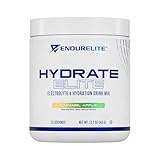
3. EndurElite Hydrate Elite – Electrolyte Powder – Instant Hydration & Electrolytes for Endurance Athletes – Hydration Powder Mix – Caramel Apple – 31 Servings
Overview:
EndurElite’s Hydrate Elite targets endurance athletes with a comprehensive electrolyte matrix including sodium, potassium, magnesium, and calcium. The unique caramel apple flavor delivers 31 servings of low-calorie (25 calories) hydration designed to prevent cramping and support peak performance during prolonged efforts.
What Makes It Stand Out:
This formula addresses the complete electrolyte spectrum, not just sodium and potassium, supporting nerve function and muscle contraction more thoroughly. The fall-inspired flavor profile breaks the monotony of typical citrus options, while the single-serving stick packs offer unmatched convenience. Its low-calorie design separates hydration from fueling, allowing precise nutrition strategy customization.
Value for Money:
At $1.98 per ounce ($0.77 per serving), it’s surprisingly affordable per use despite the high per-ounce price. The 31-serving count exceeds most competitors, stretching your investment further. However, the premium formulation still costs more than basic electrolyte drinks. The portable packaging adds value for travel and race-day logistics.
Strengths and Weaknesses:
Strengths: Complete four-electrolyte profile; excellent portability; unique enjoyable flavor; low calorie for weight-conscious athletes; prevents multi-hour cramping; generous serving count.
Weaknesses: Caramel apple flavor may not suit hot-weather workouts; newer brand lacks Gatorade’s research legacy; powder can be slow to dissolve; magnesium content may cause mild laxative effect in sensitive individuals.
Bottom Line:
A smart choice for athletes seeking comprehensive electrolyte support without excess calories. The innovative flavor and convenient packaging make it particularly appealing for marathoners and ultra-distance cyclists tired of standard fruit flavors.
4. Gatorade Endurance Formula Powder With Electrolytes, Cherry, 1.72 Oz - Pack of 12

Overview:
These single-serve Gatorade Endurance packets deliver the same reformulated, high-electrolyte blend as the bulk version in convenient 1.72-ounce portions. The cherry flavor provides a lighter, less intense taste experience while maintaining nearly double the sodium and triple the potassium of regular Gatorade.
What Makes It Stand Out:
Portability is paramount here—each packet fits in a jersey pocket, running belt, or race bag without measuring or mess. The pre-portioned design eliminates guesswork during critical race moments. Like its bulk sibling, this formula ditches artificial sweeteners and flavors while retaining the scientifically validated endurance athlete profile that has supported countless marathoners and Ironman competitors.
Value for Money:
At $0.95 per ounce ($1.63 per packet), this is the most cost-effective Gatorade Endurance option per ounce. The 12-pack structure allows sampling without committing to a large tub. For race-day specific use, the convenience justifies the slight premium over mixing your own. Bulk users will find the tub cheaper long-term, but travelers and occasional racers win here.
Strengths and Weaknesses:
Strengths: Ultimate portability and convenience; precise single-serve dosing; best per-ounce price in Gatorade Endurance line; no artificial additives; trusted endurance formulation; minimal packaging waste per serving.
Weaknesses: Limited to one flavor; more expensive per serving than bulk; individual packets create more total waste; smaller size limits customization for different effort levels.
Bottom Line:
Perfect for race day, travel, and athletes who value convenience over bulk savings. The single-serve format eliminates mixing errors when performance matters most, making it a staple for competitive endurance events.
5. BARE PERFORMANCE NUTRITION, BPN G.1.M Go One More Sport, Endurance Training Fuel, Superior Carbohydrate & Electrolytes Powder Formula, Reduce Fatigue, Fruit Punch, 25 Servings

Overview:
BPN’s G.1.M Sport combines fast-digesting Cluster Dextrin carbohydrates with a complete electrolyte profile, positioning itself as a dual-purpose fuel and hydration solution. The fruit punch flavor delivers 25 servings of Informed Sport certified nutrition designed to extend training time and reduce fatigue during demanding endurance sessions.
What Makes It Stand Out:
The Cluster Dextrin carbohydrate source offers rapid gastric emptying without the blood sugar spikes of simpler sugars, making it ideal for sustained energy. Third-party banned substance testing provides competitive athletes with peace of mind. The brand’s “Go One More” philosophy reflects its focus on pushing performance boundaries through superior nutrient timing and absorption.
Value for Money:
At $1.70 per ounce ($1.41 per serving), this is the premium-priced option. You’re paying for advanced carbohydrate technology and certification testing that casual athletes may not need. For competitive triathletes, marathoners, and cyclists, the performance dividend justifies the cost. Recreational exercisers will find better value in simpler electrolyte drinks.
Strengths and Weaknesses:
Strengths: Superior carbohydrate source for fueling; Informed Sport certification; complete electrolyte coverage; reduces fatigue during long efforts; fast digestion prevents GI distress; no proprietary blends.
Weaknesses: Highest price point; carbohydrate content adds calories unsuitable for hydration-only needs; limited flavor options; may be over-engineered for workouts under two hours.
Bottom Line:
Best suited for competitive endurance athletes seeking a single product for both fueling and hydration. The clean certification and advanced carbohydrate matrix make it race-legal and performance-enhancing, though overkill for casual fitness enthusiasts.
6. Nuun Hydration Endurance Powder, Lemon Lime, Workout Support,5 Essential Electrolytes for Hydration + Carbohydrates, Vegan, Non-GMO, (16 Servings - Canister)
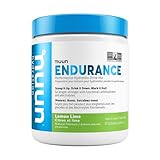
Overview: Nuun’s Endurance Powder delivers a clean, certified hydration solution for athletes seeking sustained performance. This lemon-lime formula combines five essential electrolytes with efficiently absorbed carbohydrates in a vegan, non-GMO package. Each canister provides 16 servings, designed to be mixed with 16oz of water and consumed throughout workouts to support muscle function and stamina.
What Makes It Stand Out: The product boasts impressive third-party certifications including Clean Sport Certified and Non-GMO Project Verified, rare in the sports nutrition space. Its organic flavor profile provides a refreshing taste without artificial additives, while the carbohydrate blend is specifically engineered for optimal glycogen recharge during extended exercise. The vegan and gluten-free formulation accommodates diverse dietary restrictions.
Value for Money: At $20.00 for 16 servings ($1.25 per serving), this sits in the premium tier. The $1.82 per ounce price reflects its high-quality, certified ingredients. While more expensive than basic electrolyte mixes, the clean certifications and organic components justify the cost for athletes prioritizing purity. However, the limited serving count makes it less economical for daily training.
Strengths and Weaknesses: Strengths include multiple clean certifications, organic flavors, excellent dissolvability, and a balanced electrolyte-carbohydrate ratio. The vegan formula appeals to ethically-conscious athletes. Weaknesses are the high cost per serving, limited 16-serving quantity requiring frequent repurchase, and modest flavor variety. The carbohydrate content may be insufficient for ultra-endurance events exceeding three hours.
Bottom Line: Nuun Endurance Powder excels for athletes demanding certified clean nutrition and organic ingredients. It’s ideal for medium-duration workouts and those with dietary restrictions, but the price point and serving size make it better as a specialty supplement rather than a daily training staple.
7. Tailwind Nutrition Endurance Fuel, Carbohydrate & Electrolyte Sports Drink Mix Powder, Gluten-Free, Vegan, Mandarin Orange, 30 Servings

Overview: Tailwind Nutrition positions its Endurance Fuel as a complete, all-in-one solution for athletes tired of managing multiple nutrition products. This mandarin orange powder delivers calories, electrolytes, and hydration in a single bottle, eliminating the need for separate gels, chews, and salt pills. With 30 servings per bag, it targets runners, cyclists, and backpackers seeking simplicity.
What Makes It Stand Out: The “No Gut Bombs” promise stands as its hallmark feature, using glucose and sucrose in ratios optimized for intestinal absorption. The formula dissolves completely clear, leaving no residue or aftertaste—a practical benefit for bottle cleanliness. Its comprehensive approach means athletes can rely solely on this mix for efforts up to 24 hours, streamlining nutrition planning.
Value for Money: At $30.99 for 30 servings ($1.03 per serving), this offers excellent mid-range value. The $1.07 per ounce pricing undercuts many competitors while providing complete nutrition. Compared to buying separate gels ($2-3 each) and electrolyte tablets, the cost savings become substantial for long events. The 30-serving size balances affordability with convenience.
Strengths and Weaknesses: Strengths include the gentle-on-stomach formula, complete nutritional profile, clean dissolution, and versatile application across sports. It’s vegan, gluten-free, and non-GMO. Weaknesses include flavor specificity—mandarin orange may fatigue over ultra distances—and the one-flavor-per-bag limitation. Some athletes might prefer customizing their carb-to-electrolyte ratios separately.
Bottom Line: Tailwind Endurance Fuel delivers exceptional value and digestive comfort for endurance athletes seeking simplicity. It’s particularly valuable for events requiring hours of continuous fueling, though flavor fatigue may necessitate rotation with other options for multi-hour efforts.
8. Skratch Labs Hydration Powder | Sport Drink Mix | Electrolytes Powder for Exercise, Endurance, and Performance | Strawberry Lemonade | 20 Servings | Non-GMO, Vegan, Kosher

Overview: Skratch Labs takes a minimalist approach with its strawberry lemonade hydration mix, targeting athletes who want effective fuel without artificial additives. Developed using real fruit for flavor, this 20-serving canister emphasizes a scientifically-tuned electrolyte profile that matches sweat loss, with an optimized sodium-to-glucose ratio for rapid absorption.
What Makes It Stand Out: The commitment to “real food” ingredients is uncompromising—no artificial colors, isolates, or preservatives that could trigger GI distress. The formula contains 50% less sugar and nearly double the sodium of mainstream sports drinks, addressing the needs of serious sweaters. The kosher certification and vegan formulation broaden its appeal, while the light, refreshing taste prevents flavor fatigue.
Value for Money: Priced at $21.95 for 20 servings ($1.10 per serving), this offers strong value at $1.42 per ounce. While slightly higher than basic mixes, the quality ingredients and thoughtful formulation justify the premium. For athletes training regularly, the cost-per-serving remains reasonable compared to bottled sports drinks or inferior powders requiring larger doses.
Strengths and Weaknesses: Strengths include real fruit flavoring, high sodium content for heavy sweaters, clean ingredient list, and rapid hydration claims backed by science. It’s gentle on the stomach and leaves no chemical aftertaste. Weaknesses include the specific strawberry lemonade flavor that may not suit all palates, and the lower sugar content might under-fuel athletes needing higher carbohydrate loads for ultra events.
Bottom Line: Skratch Labs excels for health-conscious athletes prioritizing natural ingredients and effective hydration. It’s ideal for medium to long workouts in hot conditions, though those needing maximum carbohydrate delivery may require supplemental fuel sources.
9. Flow Formulas Lemon Lime Endurance Drink Mix, Top 12 Allergen-Free, Carbohydrate & Electrolyte Sports Fuel Powder for Performance Training, High Carb Hydration Exercise Support, Gluten-Free, 10 Serv

Overview: Flow Formulas targets the performance-oriented athlete with a scientifically-precise endurance drink featuring a research-backed 0.8:1 glucose-to-fructose ratio. This lemon-lime powder maximizes carbohydrate utilization—up to 55% more than single-source formulas—making it ideal for high-intensity efforts exceeding one hour. Each container includes 10 servings of allergen-free fuel.
What Makes It Stand Out: The comprehensive allergen-free formulation eliminates corn, gluten, dairy, soy, and all top 12 allergens, using tapioca maltodextrin and non-corn citric acid. With 590mg of sodium per serving, it targets heavy sweaters and prolonged efforts. The GI-friendly engineering prevents the cramping and bloating common with traditional sports drinks, while the precise carb ratio supports enhanced gastric emptying.
Value for Money: At $24.99 for just 10 servings ($2.50 per serving), this commands a premium price despite the $1.11 per ounce figure. The cost reflects its specialized formulation and allergen-free ingredients. For athletes with sensitivities or those pursuing marginal performance gains, the investment is justified, but casual trainers will find better value elsewhere.
Strengths and Weaknesses: Strengths include the scientifically-optimized carb ratio, exceptional allergen-free purity, high sodium content for fluid delivery, and proven GI tolerance. It’s engineered for serious training and race day demands. Weaknesses are the prohibitive cost per serving, limited 10-serving quantity, and formulation that may be unnecessarily complex for recreational athletes. The large serving size requires careful mixing.
Bottom Line: Flow Formulas serves a niche market of elite athletes and those with severe allergies who need every performance advantage. Its science-driven approach is impressive, but the price and serving size limit its appeal to dedicated competitors rather than everyday fitness enthusiasts.
10. Nutricost Electrolyte Complex Powder (120 Servings, Fruit Punch) - Hydration Supplement Drink Mix with Vitamins and Minerals

Overview: Nutricost delivers a budget-friendly, high-volume electrolyte solution with its fruit punch powder, providing an astounding 120 servings per container. This hydration supplement combines essential electrolytes with added vitamins and minerals, targeting both athletic performance and daily wellness needs. Manufactured in a GMP-compliant facility with third-party testing, it emphasizes safety and consistency.
What Makes It Stand Out: The exceptional 120-serving quantity dwarfs competitors, offering months of hydration support at an unbeatable per-serving cost. Third-party testing ensures purity and potency—reassuring quality control often missing in value-tier supplements. The inclusion of vitamins transforms it from a pure electrolyte replacement into a broader nutritional support product suitable for non-exercise hydration.
Value for Money: At $27.95 for 120 servings ($0.23 per serving), this represents the best value in the category. The $1.67 per ounce cost is misleading—the per-serving price is unparalleled. For athletes training daily or families seeking household hydration support, the economics are compelling. Comparable products cost 4-5x more per dose.
Strengths and Weaknesses: Strengths include extraordinary value, large quantity, third-party testing, GMP manufacturing, and versatile application beyond exercise. The vitamin enrichment adds daily nutritional support. Weaknesses include a basic formula lacking advanced carbohydrate ratios, artificial fruit punch flavoring, and no specialized endurance certifications. The broad approach may under-deliver for ultra-distance athletes needing precise fueling strategies. Mixing ratios are less specified.
Bottom Line: Nutricost Electrolyte Complex is the definitive budget choice for cost-conscious athletes and everyday hydration needs. While it lacks the specialized engineering of premium endurance fuels, its quality assurance and unbeatable per-serving price make it ideal for routine training and general wellness supplementation.
Why Electrolyte Balance is Critical for Endurance Performance
Electrolyte balance sits at the foundation of athletic endurance, yet many athletes underestimate its importance until they experience the catastrophic failure of a bonk or heat-related collapse. During prolonged exercise, your body can lose 1-2 liters of sweat per hour, with each liter containing roughly 900-1,400 mg of sodium along with potassium, magnesium, and calcium. This isn’t just water weight—it’s the literal fuel for your electrical system.
When sodium levels drop too low, plasma volume decreases, forcing your heart to work harder to pump oxygenated blood to working muscles. Your perceived exertion climbs while actual power output declines. Meanwhile, inadequate potassium and magnesium levels compromise the sodium-potassium pump that enables muscle contractions, leading to that telltale cramping and weakness that endurance athletes dread. The cognitive effects are equally concerning; hyponatremia (low blood sodium) can trigger confusion, poor decision-making, and in severe cases, life-threatening complications.
Understanding the Science Behind Electrolyte Loss
Individual Variability in Sweat Rate and Composition
No two athletes sweat alike. Your genetics, heat acclimation status, training level, and even body size determine both how much fluid you lose and what’s in it. “Salty sweaters”—those who leave white streaks on dark clothing or experience stinging eyes when sweat drips in—can lose twice as much sodium per liter as their peers. This individual variation makes generic hydration recommendations potentially dangerous. What works for your training partner might leave you severely depleted.
Environmental and Intensity Factors
Heat and humidity dramatically accelerate electrolyte loss, but don’t be fooled by cooler conditions. High-intensity efforts in mild weather can produce significant sweat rates, and the evaporative cooling effect in dry climates masks fluid loss. Altitude presents its own challenges, increasing respiratory water loss and potentially altering electrolyte needs. Understanding these variables helps you anticipate demands rather than just reacting to them.
Key Electrolytes: What They Do and Why They Matter
The Core Four Minerals
Every electrolyte powder worth its salt (pun intended) contains a strategic blend of four primary minerals. Sodium drives fluid retention and maintains blood plasma volume. Potassium works inside cells to regulate muscle contractions and prevent cramping. Magnesium supports over 300 enzymatic reactions, including energy production and muscle relaxation. Calcium, while often associated with bone health, plays a crucial role in muscle contraction and nerve signaling during exercise.
Trace Minerals and Their Supporting Roles
Some advanced formulations include trace minerals like zinc, manganese, and chloride. While required in smaller amounts, these minerals support immune function during heavy training blocks and aid in the actual absorption of the primary electrolytes. Chloride, often overlooked, works with sodium to maintain fluid balance and is essential for producing stomach acid, which can impact digestion during long efforts.
Sodium: The MVP of Endurance Hydration
Optimal Sodium Concentrations for Different Durations
For efforts under two hours, modest sodium replacement (300-500 mg per hour) often suffices. But as you extend beyond three hours, your strategy must become more aggressive. Many ultrarunners and Ironman athletes require 700-1,000 mg of sodium per hour, sometimes more for extreme salty sweaters. The key is matching intake to loss without overwhelming your gut.
Sodium Citrate vs. Sodium Chloride
Formulation matters. Sodium chloride (table salt) is cheap and effective but can taste harsh in high concentrations. Sodium citrate provides the same sodium load with a milder flavor profile and may offer buffering benefits against metabolic acidosis during intense efforts. Some premium blends use multiple sodium sources for optimal absorption and palatability.
Potassium: Supporting Muscle Function
The Sodium-Potassium Pump Explained
Your muscles contract when sodium rushes into cells and potassium rushes out. This exchange requires ATP and works continuously during exercise. Depleting potassium stores disrupts this pump, causing that heavy, dead-leg feeling and increasing cramp risk. Most athletes need 100-300 mg of potassium per hour during endurance activities.
Potassium Sources and Bioavailability
Potassium citrate and potassium chloride are common forms, but the citrate version often absorbs more readily and is gentler on the stomach. Some formulations include potassium phosphate, which may provide additional buffering capacity, though research on performance benefits remains mixed.
Magnesium: The Overlooked Performance Mineral
Why Magnesium Deficiency is Common in Athletes
Training stresses magnesium stores through increased urinary excretion and sweat loss. Low magnesium impairs VO2 max, increases oxygen consumption at submaximal intensities, and elevates inflammation markers. Yet many athletes focus solely on sodium, missing this critical piece of the puzzle.
Forms That Actually Work
Magnesium oxide, found in cheap supplements, has poor bioavailability—often less than 10%. Look instead for magnesium citrate, glycinate, or malate. These chelated forms absorb more efficiently and are less likely to cause GI distress. Effective doses range from 50-150 mg per hour for endurance efforts.
Calcium: More Than Just Bone Health
Calcium’s Role in Muscle Contraction and Energy Metabolism
During exercise, calcium ions trigger muscle fibers to contract. Inadequate calcium availability reduces force production and increases fatigue. Additionally, calcium acts as a secondary messenger in metabolic pathways, influencing how efficiently your muscles utilize glycogen and fat for fuel.
Balancing Calcium with Other Minerals
Too much calcium can interfere with magnesium absorption, creating a delicate balancing act. Quality formulations maintain a 2:1 or 3:1 calcium-to-magnesium ratio, respecting the competitive absorption dynamics between these minerals.
Beyond the Basics: Trace Minerals and Their Role
Zinc for Immune Support
Prolonged endurance exercise temporarily suppresses immune function. Including 2-5 mg of zinc per serving can help maintain immune competence during heavy training blocks, though higher doses may cause nausea.
Manganese and Its Cofactor Function
Manganese supports mitochondrial function and acts as a cofactor for enzymes that protect against oxidative damage. While needs are minimal, its inclusion signals a thoughtfully designed formula.
Carbohydrate Content: Fuel vs. Flavor
The Case for Carb-Enhanced Electrolyte Powders
During efforts exceeding 90 minutes, combining electrolytes with carbohydrates creates a synergistic effect. The sodium-glucose cotransport mechanism means that small amounts of glucose (3-4% solution) actually enhance fluid and sodium absorption through the intestinal wall. This is the science behind traditional sports drinks.
Finding Your Sweet Spot
Higher carbohydrate concentrations (6-8%) provide usable energy but slow gastric emptying, potentially causing sloshing and GI distress. Some athletes prefer separate fuel and hydration strategies—using low-carb electrolyte drinks alongside gels or chews. Your choice depends on your gut tolerance and total hourly caloric needs.
Sugar-Free vs. Natural Sugars vs. Artificial Sweeteners
The Natural Sugar Advantage
Small amounts of cane sugar, dextrose, or glucose serve dual purposes: improving taste and enhancing absorption. For athletes who struggle with plain water during long efforts, these mild carbohydrate sources make hydration more palatable without the digestive drawbacks of high-concentration solutions.
Navigating Artificial Sweetener Concerns
Sucralose, aspartame, and acesulfame potassium provide sweetness without calories but may alter gut microbiome composition and can taste overwhelmingly sweet when you’re hours into a hot effort. Some athletes report an odd aftertaste that becomes intolerable during prolonged exercise.
Stevia and Monk Fruit: The Natural Zero-Calorie Options
These plant-based sweeteners avoid artificial ingredients but can have a distinct flavor profile that divides athletes. They work best when combined with small amounts of natural sugar to mask their characteristic aftertaste.
Osmolality: Why It Matters for Gut Comfort
Understanding Hypotonic, Isotonic, and Hypertonic Solutions
Osmolality measures the concentration of particles in a solution relative to blood. Hypotonic solutions (lower concentration than blood) absorb fastest and minimize GI distress. Isotonic solutions match blood concentration and offer balanced absorption. Hypertonic solutions (higher concentration) actually draw water into the gut, causing bloating and diarrhea during exercise.
How to Calculate and Optimize
Most quality electrolyte powders create hypotonic solutions when mixed as directed. Be wary of adding extra ingredients like juice or additional carbohydrates, which can push your drink into hypertonic territory. For sensitive stomachs, mixing powder with more water than recommended creates a more dilute, faster-absorbing solution.
Natural vs. Artificial Ingredients: Making the Right Choice
Decoding “Natural Flavors”
The term “natural flavors” is surprisingly unregulated, often containing dozens of chemical compounds derived from natural sources but processed extensively. For purists, look for products that specify actual fruit powders or extracts.
Color Additives and Performance
Artificial colors like Red 40 or Blue 1 serve no performance purpose and may cause sensitivity reactions in some athletes. Natural colors from beet juice, turmeric, or spirulina offer aesthetic appeal without synthetic additives, though they may fade over time.
Preservatives: Necessary Evil or Avoidable Risk?
Citric acid and malic acid act as natural preservatives while providing a pleasant tartness. Some brands use potassium sorbate or sodium benzoate, which are effective but may cause issues for sensitive individuals. Powdered formats generally need fewer preservatives than ready-to-drink options.
Flavor Profiles and Palatability During Long Efforts
Taste Fatigue: The Real Phenomenon
A flavor that tastes refreshing during your first hour can become cloying or even nauseating by hour six. This taste fatigue is physiological—your brain reduces pleasure response to repetitive stimuli, and hormonal shifts during prolonged exercise alter taste perception.
Building a Flavor Rotation Strategy
Smart athletes maintain 2-3 different flavors and rotate them during long events. Citrus flavors tend to remain palatable longest, while berry flavors can become medicinal-tasting. Unflavored options allow you to add your own flavoring, providing maximum flexibility.
Saltiness Perception and Sodium Content
Higher sodium formulas inevitably taste saltier. Some brands mask this with strong flavors or citric acid, while others embrace the saltiness, arguing that it encourages appropriate drinking behavior. Your personal salt preference often correlates with your individual sodium loss rate.
Mixability and Convenience Factors
Solubility in Various Water Temperatures
Cold water from mountain streams or aid stations makes some powders clump or precipitate. Quality formulations dissolve completely in water as cold as 40°F. Look for fine-grain powders rather than crystalline mixes, and consider pre-dissolving in a small amount of warm water before adding cold liquid.
Packaging for Different Athletic Scenarios
Single-serve stick packs excel for travel and racing but create more waste. Bulk tubs are economical for training but require measuring scoops. Some brands offer intermediate options like resealable pouches or pre-measured tablets that dissolve into powder.
Residue and Cleanliness
Poorly formulated powders leave residue in bottles and hydration bladders, promoting bacterial growth and affecting taste. Premium options use fully soluble mineral forms that rinse clean with just water, crucial for multi-day events where cleaning opportunities are limited.
Cost-Per-Serving Analysis for Budget-Conscious Athletes
Breaking Down the True Cost
A $30 tub containing 30 servings seems cheaper than $2 stick packs until you realize the tub’s servings are for light activity while the stick pack contains the sodium needed for ultramarathon efforts. Calculate cost per effective dose rather than per labeled serving.
When Premium Pricing is Justified
Higher-priced options often use chelated minerals with superior bioavailability, meaning you absorb more of what you pay for. They may also include third-party testing certificates, proprietary absorption technologies, or specialized ingredient sourcing that justifies the premium for serious athletes.
DIY Electrolyte Blending: Pros and Cons
Some athletes mix their own blends from bulk ingredients. While cost-effective, this approach requires precise measurement, understanding of mineral interactions, and acceptance of inferior taste. The risk of incorrect ratios leading to poor performance or health issues makes this suitable only for meticulous experimenters.
Third-Party Testing and Quality Certifications
NSF Certified for Sport and Informed Sport
These gold-standard certifications test for banned substances, label accuracy, and contaminants. For competitive athletes subject to drug testing, these certifications aren’t optional—they’re essential insurance against inadvertent doping violations from contaminated supplements.
USP Verified and ConsumerLab
These organizations verify that products contain the labeled amounts of ingredients and dissolve properly. While not sport-specific, they provide quality assurance that budget brands often lack.
Certificate of Analysis (COA) Transparency
Progressive brands publish COAs for each batch, showing exact mineral content and heavy metal testing results. This level of transparency indicates serious quality control and allows you to verify that you’re getting what you pay for.
Tailoring Your Choice to Your Specific Sport
Ultrarunning: Emphasis on Sodium and Palatability
Ultrarunners need aggressive sodium replacement and flavors that remain appealing after 12+ hours. Powder concentration must allow for easy adjustment at aid stations where water availability varies.
Cycling: Bottle Size and Mixing Logistics
Cyclists typically carry two bottles, allowing separate fuel and hydration strategies. This enables using pure electrolyte solutions in one bottle and carbohydrate-heavy mixes in the other. Mixability while riding and compatibility with various bottle types are key considerations.
Triathlon: Transition Simplicity and Gut Versatility
Triathletes need powders that work across swim, bike, and run—often in different concentrations. The ability to pre-mix concentrated solutions and dilute them in different bottle sizes during transitions provides tactical flexibility.
Team Sports: Rapid Consumption and Shared Resources
Soccer, basketball, and football players need powders that mix quickly in large coolers and taste good when chugged, not sipped. Lower cost-per-serving becomes important when hydrating entire teams.
Common Mistakes Athletes Make When Choosing Electrolyte Powders
Over-Focusing on Sodium While Ignoring the Ratio
Loading up on sodium without adequate potassium and magnesium creates new imbalances. The minerals work synergistically; depleting one while overloading another can cause arrhythmias, muscle dysfunction, and digestive issues.
Choosing Based on Taste Alone in a Non-Exercised State
A flavor that tastes great on your couch may be overpowering during exercise. Always test products during training efforts that simulate race intensity and duration. Your taste perception changes dramatically under physical stress.
Ignoring the Cumulative Effect of Multiple Products
Using electrolyte powder plus salt tablets plus electrolyte-rich gels can lead to dangerous overconsumption. Map your entire nutrition strategy to ensure total electrolyte intake stays within safe ranges—generally not exceeding 1,500 mg sodium per hour.
Not Accounting for Travel and Race Day Logistics
That perfect bulk tub is useless if you can’t portion it for travel or mix it quickly in crowded race conditions. Consider how you’ll transport, measure, and mix your powder under actual race circumstances before committing to a product.
How to Test and Dial In Your Personal Protocol
The Sweat Rate Test: Your Starting Point
Weigh yourself nude before and after a one-hour run or ride, accounting for fluid consumed. Each pound lost equals approximately 16 oz of sweat. This gives you your hourly fluid replacement target. Combine this with the sodium concentration of your chosen powder to calculate needs.
The Taste Test: Training Your Gut
Introduce new powders during low-stakes training sessions. Start with half-strength mixes to assess tolerance, then gradually increase concentration. Note any GI symptoms, flavor fatigue, or mixing issues. Keep a hydration log correlating intake with performance and symptoms.
Fine-Tuning for Conditions
Test your protocol in heat, humidity, and altitude before race day. Your needs in 50°F weather may double when temperatures hit 80°F. Develop concentration adjustment strategies—know how much extra powder to add per 10-degree temperature increase.
Frequently Asked Questions
How do I know if I’m a “salty sweater” who needs more sodium?
White salt stains on dark clothing after workouts, stinging eyes from sweat, and a tendency to crave salty foods post-exercise are strong indicators. For definitive data, consider a sweat sodium concentration test, available at some sports performance labs. These tests measure the exact sodium content of your sweat, typically costing $100-200 but providing invaluable personalization data.
Can I take too many electrolytes during a long race?
Absolutely. Overconsumption, particularly of sodium, can lead to hypernatremia—dangerously high blood sodium levels that cause confusion, seizures, and require medical intervention. Stay below 1,500 mg of sodium per hour and ensure you’re drinking to thirst rather than forcing fluid intake. More is not always better.
Should my electrolyte powder contain carbohydrates or should I keep them separate?
This depends on your gut tolerance and fueling strategy. Carbohydrate-electrolyte blends enhance absorption and simplify logistics but can cause GI distress at high concentrations. Separating them allows precise control but requires managing multiple products. Test both approaches in training. Many elite athletes use low-carb electrolyte drinks alongside targeted fuel sources.
What’s the difference between electrolyte powders and tablets?
Tablets offer convenience and precise dosing but often contain binders and fillers that slow dissolution. Powders provide formulation flexibility and typically absorb faster. Tablets are ideal for travel and emergency backup, while powders excel for planned hydration strategies where customization matters.
How far in advance should I start preloading electrolytes before a big event?
Sodium loading 24-48 hours before a hot-weather event can expand plasma volume, improving performance and heat tolerance. Add 1,000-2,000 mg of sodium per day through your electrolyte powder, spread across meals and fluids. Don’t overdo it—excessive preloading can cause bloating and blood pressure spikes.
Do I need different electrolyte formulas for training versus racing?
Often, yes. Training formulas can be more economical and focus on baseline replacement. Race-day formulas should prioritize maximum bioavailability, proven gut tolerance, and flavors you can tolerate for hours. The stress of racing changes how your body processes nutrients, so using your race-day formula during key long training sessions is essential.
How do I prevent my hydration bladder from getting moldy when using electrolyte powders?
The sugars and minerals in electrolyte powders accelerate microbial growth. Immediately after use, rinse with hot water and a bottle brush. For deep cleaning, use specialized hydration bladder cleaning tablets or a diluted bleach solution (1 tablespoon per liter), rinsing thoroughly. Store bladders dry and open, or in the freezer between uses.
Are natural electrolyte powders actually better than conventional ones?
“Natural” doesn’t automatically mean better for performance. Natural sources like coconut water provide electrolytes but in unpredictable ratios. Quality conventional powders use standardized mineral forms with proven absorption. The best choice depends on your priorities: whole-food purism versus precise performance nutrition.
Can I mix electrolyte powder with sports drinks or other supplements?
Generally, avoid doubling up. Mixing electrolyte powder into a ready-to-drink sports drink creates excessively high sugar and mineral concentrations, likely causing GI distress. If combining with other supplements like BCAAs or beta-alanine, verify total osmolality stays in the hypotonic range and test thoroughly in training.
How long do electrolyte powders last once opened?
Most powders remain stable for 6-12 months when stored in a cool, dry place with the lid tightly sealed. Humidity is the enemy—it causes clumping and can degrade mineral bioavailability. If powder develops a hard, rock-like texture or off-smell, discard it. Always check the manufacturer’s specific recommendations, as formulations vary.