That sizzling sound from hot oil should be the only thing coming from your kitchen—until a moment’s distraction leaves you with a painful, red reminder of why burn safety matters. Kitchen burns, ranging from minor splashes to more serious contact injuries, happen to even the most cautious home chefs. While prevention is always the best strategy, being prepared with the right first-aid supplies can dramatically change your recovery experience. Hydrogel burn dressings have revolutionized at-home burn care by creating an optimal healing environment that cools, protects, and promotes recovery far more effectively than traditional remedies like butter or ice.
Understanding what makes these advanced dressings essential—and how to choose the right one for your specific needs—empowers you to respond confidently when accidents occur. This comprehensive guide walks you through the critical features, selection criteria, and expert considerations for building your kitchen burn care kit with hydrogel dressings that truly deliver on their promises.
Top 10 Hydrogel Burn Dressings for Kitchen Burns
Detailed Product Reviews
1. SurviveX Hydrogel Burn Dressings with Tea Tree Oil - 4x4" Sterile Non-Stick Burn Pads - Emergency First Aid for Instant Cooling, Soothing & Relief - 5 Pack

Overview: SurviveX delivers professional-grade hydrogel burn dressings in a practical 5-pack configuration. These 4x4-inch sterile pads provide immediate cooling relief for various burn types, from kitchen scalds to sunburns. Infused with tea tree oil, they combine natural antiseptic properties with advanced hydrogel technology to create an optimal healing environment. The non-adhesive design ensures painless application and removal, crucial for protecting delicate burn tissue during dressing changes.
What Makes It Stand Out: The tea tree oil infusion distinguishes SurviveX from standard hydrogel dressings, offering natural antimicrobial benefits alongside pain relief. The non-stick formulation prevents additional trauma during removal, a critical feature for burn care. The versatile 5-pack strikes an ideal balance between having adequate supplies for multiple incidents without creating excessive bulk in medicine cabinets or first aid kits.
Value for Money: At $4.00 per dressing, this pack sits in the mid-range price point. The five-unit quantity provides sufficient coverage for households, workplaces, or camping gear without requiring bulk purchase commitment. Compared to emergency room visits or inferior alternatives, the cost is justified by professional-grade formulation and multi-use convenience. The compact packaging reduces storage concerns while maintaining readiness.
Strengths and Weaknesses: Strengths include immediate cooling action, natural tea tree oil healing properties, non-adhesive design, and versatile application across burn types. The 5-pack quantity suits most users’ needs effectively. Weaknesses include a higher per-unit cost than bulk options and potential tea tree oil sensitivity for some users. The 4x4 size may prove insufficient for larger burn areas requiring multiple pads.
Bottom Line: SurviveX delivers reliable, professional-quality burn care for everyday emergencies. The tea tree oil infusion and thoughtful packaging make it an excellent choice for families, cooks, and outdoor enthusiasts seeking dependable first aid solutions with natural healing support.
2. BurnFix® Burn Gel Pads 4x4 Hydrogel Dressing - Heat Sink™ Technology – Sterile with Tea Tree Oil – Instant Cooling for Sunburn, Kitchen, Chemical Burns – Non-Stick First Aid, Safe for Face & Kids (2)

Overview: BurnFix® offers a trial-sized introduction to professional hydrogel burn care with two 4x4-inch sterile pads. Featuring proprietary Heat Sink™ Technology, these dressings provide rapid cooling relief for burns, scalds, and chemical injuries. The compact packaging makes them ideal for portability in purses, vehicles, and travel kits. Doctor-recommended and CE-marked, these meet emergency medical standards while remaining accessible to consumers.
What Makes It Stand Out: The trial-size concept is brilliant for first-time users or as thoughtful gifts under $10. Heat Sink™ Technology actively draws heat from damaged tissue, providing faster relief than standard hydrogel. The doctor-recommended status and CE-marking add credibility for safety-conscious buyers. This pack excels as a stocking stuffer or care package addition that demonstrates genuine concern for recipient wellbeing.
Value for Money: At $4.88 per pad, this two-pack represents the highest per-unit cost, but serves a different purpose than bulk options. It’s not about savings—it’s about accessibility and testing. For occasional users or as a starter pack, the premium is reasonable. The affordability as a gift or trial product justifies the price point. Single-location coverage strategy means no waste from unused bulk inventory.
Strengths and Weaknesses: Strengths include exceptional portability, professional-grade formulation, Heat Sink™ Technology, and excellent gift potential. The child-safe designation for facial burns adds versatility. Weaknesses are the high per-unit cost and limited quantity. Only two pads may prove insufficient for active kitchens or families. The small pack size creates more packaging waste per unit than larger alternatives.
Bottom Line: Perfect for testing effectiveness, gifting, or stocking emergency locations individually. BurnFix®’s trial pack excels as an entry point to hydrogel technology, though frequent burn-risk users should consider larger quantities for better long-term value and preparedness.
3. Dimora Hydrogel Burn Dressing 4" x 4" - Burn and Wound Dressing Instant Cooling Relief for Minor Burns & Wounds, Soothing Moist Burn Pads for 1st-2nd Degree Burns, Cuts, Abrasions(10 Count)
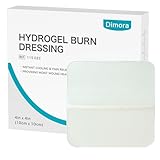
Overview: Dimora provides economical hydrogel burn care with a substantial 10-count package of 4x4-inch dressings. Designed for minor burns, cuts, and abrasions, these sterile, latex-free pads create a moist healing environment that promotes cell regeneration. The hypoallergenic formulation makes them suitable for sensitive skin and diverse household members. Clear application instructions demonstrate user-focused design for emergency situations.
What Makes It Stand Out: The exceptional value of ten dressings at $2.30 each makes this the most economical option for families or high-risk environments. The sterile and hypoallergenic properties ensure broad compatibility across all age groups and skin types. The moist healing approach reduces scarring and accelerates recovery without requiring pre-wetting or complex preparation, simplifying emergency response.
Value for Money: At $2.30 per unit, Dimora offers the lowest per-dressing cost among competitors. The 10-pack quantity eliminates frequent reordering for active households, commercial kitchens, or first aid stations. This bulk approach saves approximately 40% compared to premium two-pack alternatives, making professional burn care accessible to budget-conscious buyers. The cost-effectiveness scales beautifully for organizations or large families.
Strengths and Weaknesses: Strengths include excellent value, hypoallergenic formulation, clear instructions, and ample quantity for multiple locations. The sterile, latex-free design suits sensitive users. Weaknesses include lack of specialty ingredients like tea tree oil or silver for enhanced healing. The larger pack size may expire before use in low-incident households. Basic packaging lacks portability features for on-the-go use.
Bottom Line: Dimora is the smart choice for cost-conscious buyers needing reliable hydrogel dressings in quantity. Ideal for families, workplaces, or educational settings where multiple burn risks exist and value matters most. The hypoallergenic design ensures safe use for everyone.
4. SilverSeal Burn and Wound Dressing, Hydrogel Pads with X-Static Silver, Soothing, Moist & Protective for Burns, Cuts & Wounds, 2" x 3" Sterile Dressings, 6 Count

Overview: SilverSeal elevates burn care with X-Static Silver-infused hydrogel pads in a 6-count package. These 2x3-inch FDA-cleared dressings leverage silver’s antimicrobial properties to manage minor burns, cuts, and wounds. Made in the USA, they provide immediate pain relief while clinically reducing scarring through maintained moist wound environments. The silver technology offers enhanced protection for vulnerable individuals.
What Makes It Stand Out: The X-Static Silver integration provides superior infection prevention compared to standard hydrogel dressings. FDA clearance and over a decade of clinical use provide unmatched credibility for over-the-counter burn care. The silver-coated fibers actively combat bacteria while maintaining optimal moisture, creating a dual-action healing approach that reduces scarring by up to 50% versus dry bandages.
Value for Money: At $3.66 per dressing, SilverSeal commands a premium justified by silver technology and FDA clearance. The smaller 2x3 size may require multiple pads for larger areas, potentially increasing total treatment cost. However, for high-risk scenarios, immunocompromised users, or those prioritizing infection prevention, the silver protection offers value beyond price considerations. Made in USA quality ensures manufacturing standards.
Strengths and Weaknesses: Strengths include proven silver antimicrobial protection, FDA clearance, clinical scar reduction, made in USA quality, and immediate pain relief. The sterile, latex-free design ensures maximum safety. Weaknesses are the smaller pad size, higher cost per square inch, and silver’s potential to temporarily stain skin. Limited quantity compared to bulk options may not suit high-use environments.
Bottom Line: SilverSeal is the premium choice for those prioritizing infection prevention and clinical validation. Ideal for households with vulnerable individuals, medical professionals, or those wanting the most advanced over-the-counter burn care available. The silver technology justifies the investment for serious first aid kits.
5. BurnFix® - 4 Pack-Burn Gel Dressing 4 x 4" Burn Care Cream First Aid Treatment. Immediate Pain Relief Hydrogel Burn Dressing for 1st, 2nd Degree Burns, Razor & Sunburns for Home, Work, Fire, EMS

Overview: BurnFix® delivers a practical 4-pack of 4x4-inch hydrogel burn dressings designed for comprehensive burn care. Infused with both tea tree oil and aloe vera, these pads treat 1st and 2nd-degree burns, sunburns, and chemical injuries. The formulation prioritizes immediate cooling while creating a protective barrier against infection. Versatile enough for home, commercial kitchens, EMS kits, and workplace safety stations.
What Makes It Stand Out: The dual botanical infusion of tea tree oil and aloe vera combines antimicrobial action with superior soothing properties. The 4-pack quantity hits the sweet spot for most households—more than a trial but less than bulk. Safety for children’s facial burns makes it exceptionally family-friendly. The versatility across burn types and settings distinguishes it from single-purpose alternatives.
Value for Money: At $4.44 per pad, this pack offers mid-tier pricing with enhanced features. The aloe vera addition provides extra soothing value not found in basic hydrogel dressings. While not the cheapest option, the balanced formulation and practical quantity justify the cost for families seeking comprehensive burn care without over-purchasing. The multi-location coverage strategy maximizes utility.
Strengths and Weaknesses: Strengths include dual botanical infusion, versatile burn type coverage, child-safe formulation, and convenient 4-pack sizing. The non-adherent design ensures painless removal. The combination of tea tree oil and aloe vera accelerates healing naturally. Weaknesses include moderate per-unit cost and lack of specialized technology like silver or Heat Sink™. May not suit those wanting extreme budget or premium clinical options.
Bottom Line: BurnFix® 4-pack delivers excellent versatility for families needing reliable burn care. The tea tree oil and aloe vera combination provides natural healing support, making it a well-rounded choice for home, work, or travel emergency kits where comprehensive coverage matters more than specialized features.
6. Care Science Hydrogel Sterile Burn Dressing Bandage Pads for Burn Relief, 4 ct | Instant Cooling Relief for Minor Burns & Wounds

Overview: Care Science delivers a straightforward four-pack of hydrogel burn dressings designed for immediate relief of minor burns and wounds. These sterile pads prioritize simplicity, offering instant cooling comfort while maintaining a moist healing environment. The product focuses on essential burn care without unnecessary complexity, making it accessible for everyday household first aid needs.
What Makes It Stand Out: The three-step application process provides crystal-clear guidance for emergency situations when clarity matters most. The breathable hydrogel material actively absorbs fluid to prevent infection while ensuring the dressing won’t adhere to delicate healing tissue. This non-stick property eliminates painful removal experiences common with traditional gauze. The pads are specifically engineered for dry to minimally draining wounds, making them ideal for kitchen burns, minor scalds, and superficial injuries.
Value for Money: At $9.99 for four dressings ($2.50 per count), this represents an affordable entry point into professional-grade burn care. The pricing positions it competitively against basic first aid supplies while offering superior hydrogel technology. For families seeking occasional-use protection without committing to bulk packages, this four-count supply hits the sweet spot between cost and preparedness.
Strengths and Weaknesses: Strengths include foolproof instructions, effective fluid management, and genuine non-stick performance. The breathable material reduces maceration risk, and the sterile packaging ensures safety. Weaknesses are the limited quantity—four pads may be insufficient for active households—and the lack of included securing tape or wrap. The product description doesn’t specify exact dimensions, potentially creating sizing uncertainty for buyers.
Bottom Line: Care Science provides reliable, no-fuss burn care perfect for occasional use. While not the most comprehensive kit, its clarity and effectiveness make it an excellent choice for kitchen drawers or small first aid stations.
7. BurnFix® Burn Gel Pads 4x4 Hydrogel Dressing – Sterile with Tea Tree Oil – Instant Cooling for Sunburn, Kitchen, Chemical Burns, Scalds – Non-Stick First Aid, Safe for Face & Kids (8)

Overview: BurnFix elevates burn care with an eight-pack of 4x4-inch hydrogel dressings infused with medical-grade tea tree oil. This premium solution targets a wide spectrum of burn injuries—from sunburned shoulders to kitchen grease accidents—while remaining gentle enough for facial application and children’s delicate skin. The doctor-recommended formula combines natural antimicrobial properties with clinical effectiveness.
What Makes It Stand Out: The tea tree oil enrichment distinguishes this product from standard hydrogels, offering enhanced infection prevention and accelerated healing. Each dressing is individually sealed, maintaining sterility while enabling strategic placement in multiple locations—kitchen, car, beach bag, and first aid kit. The foam pad construction ensures immediate cooling relief within seconds, while the non-stick surface guarantees painless dressing changes. Hospital-quality moisturizing protection creates an optimal healing environment that minimizes scarring.
Value for Money: At $32.77 for eight dressings ($4.10 per count), BurnFix commands a premium price that reflects its advanced formulation and convenience packaging. While more expensive than basic options, the cost is justified by the tea tree oil addition, larger format size, and comprehensive eight-pack distribution strategy. For families with children or frequent cooks, the multi-location preparedness offers significant value.
Strengths and Weaknesses: Strengths include versatile burn type coverage, child-safe formulation, clear illustrated instructions, and excellent portability. The tea tree oil provides natural antimicrobial benefits without harsh chemicals. Weaknesses include the highest per-unit cost in this category and potential essential oil sensitivity for some users. The premium pricing may be excessive for those needing only occasional minor burn treatment.
Bottom Line: BurnFix is the premium choice for comprehensive burn preparedness. Its tea tree oil formula and strategic eight-pack distribution make it ideal for safety-conscious families and frequent travelers.
8. Burnshield 4" X 4" Burn Dressing, Sterile - 6 Count

Overview: Burnshield offers a six-pack of versatile 4x4-inch burn dressings that harness natural tea-tree oil combined with a viscous hydrogel formula. Designed for immediate application across all burn types—flame, scald, chemical, or electrical—these dressings provide professional-grade emergency care in a durable yet adaptable format. The product emphasizes rapid heat dissipation and contamination protection.
What Makes It Stand Out: The dressings’ perfect tensile strength creates a unique balance between durability and customization. Users can pull and shape the material without compromising integrity, yet easily rip and reshape it to conform to tricky wound locations like fingers or joints. This adaptability is rare in hydrogel dressings. The immediate heat absorption capability actively halts the burn progression, while the non-adhesive design ensures trauma-free removal during medical assessment.
Value for Money: Priced at $19.95 for six dressings ($3.32 per count), Burnshield occupies the middle ground between budget and premium options. This pricing reflects the product’s professional-grade durability and versatility without reaching the premium tier. For households seeking reliable, multi-purpose burn coverage without overspending, the six-count package offers sensible preparedness.
Strengths and Weaknesses: Strengths include exceptional material strength, universal burn type applicability, natural tea-tree oil antimicrobial protection, and easy repositioning. The non-adhesive property is ideal for emergency diagnostics. Weaknesses include moderate quantity that may not suit large families, and the lack of included securing materials. Some users might find the ripping feature unnecessary for standard applications, and the tea-tree scent could be strong for sensitive individuals.
Bottom Line: Burnshield delivers professional versatility at a reasonable price. Its unique balance of strength and adaptability makes it perfect for active households needing flexible burn care solutions.
9. Dimora 2 Packs 6oz Hydrogel First Aid Ointment, Burn Injury Soothing Gel, Skin Repair Cream for Emergency Burn, Postoperative Incisions, Bruises, Debridement Wound Care

Overview: Dimora diverges from pad-based dressings, offering two 6-ounce tubes of hydrogel ointment for comprehensive wound care. This versatile gel addresses burns, postoperative incisions, bruises, and debridement wounds through a unique oil-free formula that hydrates dry tissue and softens necrotic material. The product targets both emergency situations and chronic wound management, particularly for elderly care.
What Makes It Stand Out: The ointment format provides unmatched flexibility for irregular wound beds and difficult-to-dress areas like finger cracks, nail gaps, and moving joints. Unlike pre-sized pads, this gel conforms perfectly to any contour while supporting substantial movement—ideal for children and active adults. The formulation specifically addresses pressure ulcers and venous stasis ulcers with light exudate, expanding beyond typical burn care into chronic wound management for elderly patients.
Value for Money: At $16.99 for 12 total ounces ($2.83 per ounce), Dimora offers excellent volume value. The two-tube packaging allows multiple location storage while providing ample supply for extended treatment courses. This pricing is competitive for specialized wound care products, particularly given its broad application range beyond simple burns.
Strengths and Weaknesses: Strengths include versatile ointment format, elderly care specialization, long-lasting moist environment, and oil-free composition. The cooling effect benefits painful wounds beyond burns. Weaknesses include requiring separate sterile dressings for proper application, not being individually sterile like pads, and extensive usage warnings. The product is unsuitable for highly exudative or infected wounds without medical consultation, limiting spontaneous use.
Bottom Line: Dimora excels for specialized wound care needs but isn’t a grab-and-go burn solution. Choose this for chronic wound management or when flexibility outweighs convenience.
10. SilverSeal Hydrogel Burn & Wound Dressing Kit with X-Static Silver - FDA Cleared Care for Burns, Cuts & Wounds – Soothing Moisture, Relief & Protection - 4 (2”x3”) Hydrogels + 4 (3”x5”) Adhesive Pads
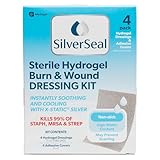
Overview: SilverSeal delivers a comprehensive FDA-cleared wound care kit featuring X-Static Silver technology. This all-in-one solution includes four 2x3-inch hydrogel pads infused with silver-coated fibers and four 3x5-inch adhesive dressing pads, creating a complete two-step system for burns, cuts, and abrasions. The kit emphasizes antimicrobial protection and scar prevention through advanced silver ion technology.
What Makes It Stand Out: The X-Static Silver integration provides superior antimicrobial protection unmatched by standard hydrogels, making it ideal for immunocompromised users or high-risk wounds. The inclusion of both hydrogel pads and adhesive covers creates a complete treatment system—no additional tape or wraps needed. FDA clearance adds medical credibility, while the seven-day wear time per patch reduces dressing change frequency and trauma. The dual-size assortment accommodates various wound dimensions.
Value for Money: At $20.00 for eight total pieces ($2.50 per item), SilverSeal offers exceptional value for a medical-grade, FDA-cleared kit. The per-unit cost matches budget options while delivering advanced silver technology and included adhesive pads. This eliminates separate securing supply purchases, creating a true all-in-one solution at a competitive price point.
Strengths and Weaknesses: Strengths include powerful antimicrobial silver, complete kit convenience, FDA clearance, extended wear time, and latex-free composition. The dual-size approach enhances versatility. Weaknesses include potential silver sensitivity reactions, smaller hydrogel dimensions that may be insufficient for large burns, and limited quantity for the price. The adhesive pads may not suit all skin types, and silver dressings can cause temporary skin discoloration.
Bottom Line: SilverSeal is the medical-grade champion for those seeking maximum antimicrobial protection. Its FDA-cleared status and complete kit format make it the smartest choice for comprehensive wound care.
Understanding Kitchen Burns and Why Hydrogel Works
Kitchen burns typically fall into the thermal burn category, caused by contact with hot surfaces, boiling liquids, steam, or cooking oils that can reach temperatures well above boiling water. These injuries damage skin layers through protein denaturation and cell death, triggering an inflammatory cascade that causes pain, swelling, and potential infection risk.
Hydrogel dressings work through a scientifically proven mechanism: they contain high water content—often 70-90%—that creates a cooling effect through evaporative heat transfer. This immediate cooling action halts the burning process, reducing tissue damage depth. Unlike ice, which can cause vasoconstriction and further tissue injury, hydrogel maintains a stable, therapeutic temperature while forming a protective barrier against contaminants. The moist environment they create has been clinically shown to accelerate re-epithelialization and reduce scarring compared to dry wound healing methods.
What Makes Hydrogel Dressings Different from Traditional Burn Care?
Traditional burn treatments like antibiotic ointments, dry gauze, or home remedies often fall short on multiple fronts. They may stick to the wound bed, causing painful dressing changes and disrupting new tissue growth. Many lack consistent cooling properties and require frequent reapplication.
Hydrogel dressings represent a paradigm shift by combining several therapeutic actions in one product. Their cross-linked polymer structure maintains hydration at the wound interface for extended periods, typically 24-72 hours, depending on the formulation. This eliminates the need for constant reapplication while providing continuous pain relief through cooling. The semi-permeable nature allows gas exchange while blocking bacteria, creating an ideal moist wound healing environment that modern wound care science strongly advocates for.
The Science Behind Moist Wound Healing
Moist wound healing isn’t just a buzzword—it’s a clinically validated approach that can reduce healing time by up to 50% compared to dry healing. When a burn wound remains moist, keratinocytes can migrate more efficiently across the wound bed, collagen synthesis optimizes, and the risk of eschar formation decreases significantly. Hydrogel dressings maintain this delicate moisture balance without macerating surrounding healthy tissue, a common problem with overly occlusive dressings.
Key Features to Evaluate Before Purchasing
Not all hydrogel burn dressings are created equal, and understanding the feature landscape helps you make informed decisions. The most effective dressings balance cooling performance, adherence properties, and patient comfort while maintaining clinical efficacy.
Look for dressings with documented cooling duration specifications. Premium formulations often provide measurable cooling relief for 2-4 hours, with residual moisture retention lasting significantly longer. The gel thickness matters too—thicker gels generally offer better cushioning and longer-lasting hydration but may be less conformable on joints. Consider whether the dressing contains additional therapeutic agents like melaleuca oil, silver ions, or aloe vera, which can provide antimicrobial benefits or enhanced soothing properties.
Material Composition and Biocompatibility
The base polymer composition—typically composed of carboxymethylcellulose, polyethylene oxide, or polyvinyl pyrrolidone—affects performance characteristics. Carboxymethylcellulose-based dressings excel at fluid handling and create a gentle gel interface, while polyethylene oxide formulations often provide superior cooling sensations. Ensure any dressing you consider is latex-free and hypoallergenic, as burn-injured skin exhibits heightened sensitivity and reactivity.
Size Matters: Choosing the Right Dimensions for Kitchen Scenarios
Kitchen burns occur in predictable patterns: fingertip splashes from hot oil, palm contact with oven racks, forearm scalds from boiling water, and occasional larger spills on arms or chest areas. Your dressing selection should reflect these common injury profiles rather than relying on a one-size-fits-all approach.
Small 2x2 inch dressings work excellently for fingertip and small knuckle burns, providing targeted coverage without excessive material waste. Medium 4x4 inch options handle most palm and forearm injuries effectively. Larger 8x8 inch or 5x12 inch dressings become valuable for extensive spills or chest area burns. Consider purchasing a multi-size assortment rather than bulk quantities of a single dimension, as kitchen burns vary significantly in surface area.
Strategic Size Selection for Different Burn Locations
Fingers and hands require dressings that allow for dexterity—thinner, more flexible options that won’t impede movement. Flat body surfaces like forearms tolerate thicker dressings well. For areas near joints, prioritize conformability over size, potentially selecting a slightly smaller dressing that moves with the body rather than a larger, more rigid option that restricts motion and may dislodge.
Adhesive vs. Non-Adhesive: Making the Right Choice
The adhesive debate represents one of the most critical decisions in hydrogel dressing selection. Adhesive-bordered dressings offer convenience—they stay in place without secondary bandaging and work well for flat, low-movement areas like the forearm or upper arm. However, adhesive on burn-injured skin can cause additional trauma during removal, especially if the burn extends beyond the dressing’s central gel pad.
Non-adhesive dressings require securing with gauze wrap or cohesive bandage but provide superior flexibility for complex anatomical locations. They also eliminate adhesive-related skin stripping, a genuine concern when dealing with already compromised skin barriers. For kitchen burn kits, a hybrid approach proves most effective: adhesive options for quick application on minor burns, supplemented with non-adhesive varieties for more serious injuries requiring more careful management.
Hypoallergenic Adhesive Technologies
If you opt for adhesive dressings, investigate the adhesive type. Modern silicone-based adhesives provide secure fixation while allowing painless, atraumatic removal. They adhere well to surrounding healthy skin without sticking to the moist wound bed itself. Avoid dressings with acrylic-based adhesives for burn applications, as these can cause skin irritation and traumatic removal experiences.
Sterility and Packaging Integrity Considerations
Burn wounds create an immediate infection risk, making sterile packaging non-negotiable. Each dressing should be individually sealed in medical-grade packaging that maintains sterility until the moment of application. Check expiration dates regularly—hydrogel dressings typically maintain sterility for 3-5 years when properly stored.
The packaging itself should be easy to open, even with one hand, since you may be applying the dressing while managing pain. Look for peel-open pouches with clear tear notches rather than difficult-to-open rigid packaging. Some advanced dressings feature dual-layer packaging that provides an additional contamination barrier, particularly valuable in busy kitchen environments where the first aid kit might experience humidity fluctuations.
Storage Environment Impact on Efficacy
Hydrogel dressings perform best when stored at room temperature in dry conditions. Excessive heat can accelerate water loss from the gel matrix, reducing cooling effectiveness. Conversely, freezing temperatures can damage the polymer structure, compromising the dressing’s integrity. Store your kitchen burn kit away from heat sources like ovens or dishwashers, but avoid refrigeration unless specifically recommended by the manufacturer.
Cooling Duration and Moisture Retention Performance
The primary advantage of hydrogel dressings lies in their cooling capability, but not all products sustain therapeutic temperatures equally. Clinical testing reveals significant variation—some dressings provide intense cooling for 30 minutes before plateauing, while others offer gradual, sustained cooling for several hours.
Examine product specifications for documented cooling curves or duration claims validated through standardized testing protocols. The best dressings maintain a temperature 5-10°F below body temperature for a minimum of 2 hours. Beyond immediate cooling, evaluate moisture retention—how long the dressing remains hydrated at the wound interface. Premium formulations retain functional moisture for 48-72 hours, while budget options may dry out within 24 hours, requiring premature dressing changes that disrupt healing.
Evaporative Cooling vs. Conductive Cooling Mechanisms
Hydrogel dressings primarily utilize evaporative cooling, where water slowly evaporates from the gel matrix, carrying heat away from the wound. Some advanced dressings incorporate phase-change materials that provide additional conductive cooling. Understanding this distinction helps set realistic expectations—evaporative cooling diminishes as the dressing approaches equilibrium with ambient temperature, while conductive cooling provides more consistent temperature reduction.
Flexibility and Conformability for Functional Movement
A dressing that restricts movement becomes a daily frustration, potentially leading to non-compliance and compromised healing. Kitchen activities require hand and finger dexterity even during recovery, making flexibility paramount. The dressing should conform to body contours without wrinkling or creating pressure points.
Evaluate the dressing’s thickness and backing material. Ultra-thin dressings (less than 2mm) offer maximum flexibility but may sacrifice cooling duration. Medium-thickness options (3-5mm) balance performance with conformability. The backing material—typically polyurethane film or non-woven fabric—should stretch bi-directionally to accommodate joint movement without restricting circulation or causing discomfort during prolonged wear.
Dressing Performance on High-Movement Areas
For finger and hand burns, consider dressings specifically designed for digital applications. These often feature pre-cut shapes or exceptional elasticity that maintains coverage during finger flexion. Some advanced designs incorporate mesh reinforcement that prevents tearing while preserving flexibility—a valuable feature for burns spanning knuckles or the palmar crease.
Transparency and Wound Monitoring Capabilities
The ability to monitor wound progression without disturbing the dressing provides significant clinical advantages. Transparent hydrogel dressings allow visual assessment of healing, exudate levels, and potential infection signs without removal. This reduces dressing change frequency, minimizing trauma and maintaining the stable healing environment.
However, transparency often comes at the cost of thickness and cooling capacity—thinner, more transparent gels may dry faster. Opaque dressings sometimes incorporate indicator systems that change color when the dressing requires replacement, offering an alternative monitoring method. For kitchen burn kits, including both transparent and opaque options provides versatility for different burn severities and personal monitoring preferences.
Visual Indicators of Dressing Effectiveness
Learn to recognize when a hydrogel dressing needs replacement. A dressing that has turned cloudy, developed bubbles, or shows significant shrinkage has likely lost its therapeutic moisture content. Some products feature printed grid patterns that disappear as the dressing hydrates the wound, providing a clear visual cue for timely replacement without premature changes.
Shelf Life and Rotation Strategies for Home First Aid Kits
Hydrogel dressings don’t last forever, and using an expired product compromises both sterility and performance. Most manufacturers guarantee efficacy for three years from production, though premium formulations may extend to five years. Implement a systematic rotation strategy—check expiration dates every six months and replace dressings approaching their limit.
Consider the “first in, first out” approach used in medical facilities. When adding new dressings to your kit, place them behind existing stock to ensure older products get used first. This prevents waste and maintains kit readiness. Some households find success linking expiration checks to daylight saving time changes or other memorable biannual events.
Bulk Purchasing vs. Fresh Stock Considerations
While bulk purchasing offers cost savings, consider your realistic usage rate. A family that cooks frequently may benefit from larger quantities, but most households experience kitchen burns sporadically. Purchasing smaller quantities more frequently ensures you always have fresh, fully effective dressings when emergencies strike. Many suppliers offer subscription services that automatically ship replacements as existing stock approaches expiration.
Single-Use vs. Multi-Use Design Philosophies
The overwhelming majority of hydrogel burn dressings are designed for single use, and for excellent clinical reasons. Once applied, the dressing absorbs wound exudate, potentially harboring bacteria if reused. The gel matrix also becomes contaminated during handling and loses its sterile properties.
However, some innovative designs incorporate removable gel sheets that can be replenished with sterile hydrogel solution, marketed as environmentally friendly options. While appealing from a sustainability perspective, these systems require meticulous cleaning and carry higher infection risk in non-clinical settings. For kitchen burn kits, single-use dressings remain the gold standard, prioritizing infection prevention and consistent performance over reusability.
Environmental Impact and Disposal Considerations
Single-use medical products generate waste, but responsible disposal mitigates environmental impact. Hydrogel dressings typically contain non-biodegradable polymers. Check if the manufacturer offers recycling programs for packaging materials. Never attempt to compost or improperly dispose of used dressings containing biological materials—seal them in plastic bags and dispose of them with household waste following local medical waste guidelines.
Special Considerations for Different Burn Locations
Kitchen burns affect various body parts, each presenting unique challenges. Facial burns require dressings with exceptional conformability and cosmetic acceptability—transparent, thin options work best here. Hand burns demand durability and flexibility, as hands remain in constant use even during recovery.
Burns on hair-bearing areas like arms present adhesion challenges. Consider applying a thin layer of water-based lubricant to surrounding hair before dressing application to reduce painful removal. For burns near the eyes—common with steam injuries—ensure the dressing is specifically labeled as ophthalmologically safe, though these situations always warrant immediate professional medical evaluation.
Digital Burns: Fingers and Thumbs
Finger burns represent the most common kitchen injury. Look for dressings that can be trimmed to size without unraveling or losing integrity. Some products feature perforated designs that separate into finger-sized strips. Consider keeping specialized finger cot dressings in your kit—these tubular designs slide over digits like a second skin, providing excellent conformability for fingertip and pad burns.
When Professional Medical Attention Becomes Necessary
Hydrogel dressings excel at managing minor to moderate superficial partial-thickness burns, but they’re not substitutes for professional medical care. Recognizing burn severity thresholds proves crucial for safety. Any burn larger than your palm, showing white or charred areas, circumferential burns around limbs, burns on face/hands/feet/genitals, or chemical/electrical burns require immediate emergency evaluation.
Additionally, watch for infection signs despite proper dressing use: increasing pain after initial improvement, spreading redness, purulent discharge, fever, or red streaks radiating from the wound. Diabetes, immunocompromise, or vascular disease further lower the threshold for seeking professional care, as these conditions increase infection risk and impair healing.
The Role of Hydrogel in Pre-Hospital Care
Even when professional care is needed, applying a hydrogel dressing immediately after injury provides significant benefits. The cooling action limits tissue damage progression, potentially reducing burn depth and improving long-term outcomes. Many emergency medical services now carry hydrogel dressings specifically for this reason. Your prompt action with a quality dressing bridges the critical gap between injury and definitive medical care.
Application Best Practices for Maximum Efficacy
Proper application technique dramatically influences dressing performance. Begin with cooling running water for 10-20 minutes if immediately available—this remains the first-line recommendation. Gently pat the area dry with a clean cloth, taking care not to rub or cause further tissue trauma. Apply the hydrogel dressing directly to the burn, ensuring complete coverage with a 1-2cm margin beyond the injured area.
Secure the dressing appropriately based on its design. For adhesive versions, smooth from center outward to prevent air bubbles. For non-adhesive types, use gauze wrap applied with gentle pressure—tight enough to secure but not restrict circulation. Change dressings according to manufacturer guidelines, typically every 24-48 hours or sooner if saturated with exudate.
Common Application Mistakes to Avoid
Never apply hydrogel dressings over topical creams or ointments—these create a barrier that prevents direct gel-to-skin contact, reducing cooling effectiveness. Avoid stretching the dressing during application, as this causes tension during movement and may lead to premature detachment. Don’t cut dressings smaller than recommended minimum sizes, as this compromises the moisture reservoir and may lead to rapid drying.
Cost-Effectiveness and Value Assessment Strategies
Price points for hydrogel burn dressings vary widely, from budget-friendly options under $2 per dressing to premium products exceeding $10 each. However, cost-per-dressing tells only part of the story. Evaluate cost-effectiveness by considering cooling duration, moisture retention capacity, and the potential to reduce healing time.
A $8 dressing that provides 48 hours of effective therapy and promotes faster healing offers better value than a $2 dressing requiring daily changes and extending recovery. Consider also the hidden costs of complications—dressings that prevent infection or reduce scarring provide value far beyond their purchase price. For kitchen kits, aim for mid-range products ($4-6 per dressing) that balance performance with affordability, supplemented by one or two premium options for serious injuries.
Insurance and Healthcare Spending Account Considerations
Many flexible spending accounts (FSAs) and health savings accounts (HSAs) cover hydrogel burn dressings as qualified medical expenses. Keep receipts and consider purchasing through medical supply companies rather than consumer retailers to ensure proper documentation. Some homeowner’s insurance policies offer discounts for households maintaining comprehensive first aid kits—check with your provider about potential savings that offset dressing costs.
Frequently Asked Questions
How long should I leave a hydrogel burn dressing on before changing it?
Most hydrogel dressings remain effective for 24-48 hours, though this varies by brand and burn severity. Change the dressing sooner if you notice it has dried out, become saturated with wound fluid, or shows signs of contamination. For minor burns, 48 hours is typical; for weeping burns, daily changes may be necessary. Always follow the specific manufacturer’s guidelines printed on the packaging.
Can I use hydrogel dressings on children who get kitchen burns?
Yes, hydrogel dressings are generally safe for pediatric use and often preferred due to their gentle, non-adherent nature and pain-relieving cooling effect. However, children’s thinner skin burns more deeply, so any burn larger than a small coin, especially on hands or face, warrants medical evaluation. Choose dressings specifically labeled as pediatric-appropriate, and always supervise application to ensure proper placement.
What should I do if the hydrogel dressing sticks to the burn when I try to remove it?
Properly functioning hydrogel dressings shouldn’t adhere to the wound bed. If sticking occurs, the dressing likely dried out completely. Moisten it with sterile saline or clean water for several minutes to rehydrate before attempting gentle removal. Never forcefully pull a stuck dressing, as this damages new tissue. If resistance persists, seek medical assistance for professional removal.
Are hydrogel dressings effective for grease burns, which are typically hotter than water burns?
Grease burns indeed present unique challenges due to higher temperatures and oil’s tendency to cling to skin, continuing thermal damage. Hydrogel dressings are particularly valuable here because their immediate cooling action helps counteract the prolonged heat exposure. However, grease burns often penetrate deeper than they initially appear. Always cool with running water first, apply hydrogel, and seek medical evaluation due to the high risk of deeper tissue injury.
Can I cut a large hydrogel dressing into smaller pieces for multiple small burns?
While technically possible, cutting dressings compromises their sterile integrity and creates edges that may fray or dry out prematurely. The cut edge loses its sealed perimeter, causing accelerated moisture loss. For multiple small burns, it’s better to use appropriately sized dressings designed for those dimensions. If you must cut a dressing in an emergency, use sterile scissors and plan to change the cut piece more frequently.
How do I know if my burn is too serious for home treatment with hydrogel dressings?
Seek immediate medical care for burns larger than 3 inches in diameter, burns that are deep white, brown, or charred, burns that encircle a limb, any facial/hand/foot/genital burns, chemical or electrical burns, or burns accompanied by severe pain that doesn’t improve with cooling. Also, watch for infection signs: increasing redness, swelling, pus, foul odor, fever, or red streaks. When in doubt, have a healthcare professional evaluate the injury.
Should I apply hydrogel dressing immediately, or run cool water over the burn first?
Current medical guidelines recommend cooling with running water for 10-20 minutes immediately after the burn occurs. This should be your first action if possible. After cooling, gently pat dry and apply the hydrogel dressing. The water cooling stops the burning process, while the hydrogel dressing maintains optimal healing conditions afterward. Think of them as complementary steps, not alternatives.
Can hydrogel dressings be used on burns that have already blistered?
Yes, hydrogel dressings are excellent for blistered burns, as they protect the delicate blister roof while providing cooling relief. Never intentionally pop blisters before applying the dressing. The hydrogel creates a protective environment that may allow some blisters to reabsorb naturally. If a blister ruptures on its own, clean gently with saline before applying the dressing to reduce infection risk.
Do hydrogel burn dressings expire, and what happens if I use an expired one?
Yes, hydrogel dressings have expiration dates, typically 3-5 years from manufacture. Expired dressings may have lost moisture content through packaging permeation, reducing cooling effectiveness. The sterile barrier may also be compromised. While using an expired dressing is unlikely to cause harm, it won’t provide optimal therapeutic benefit. For something as important as burn care, always use in-date products for maximum efficacy and safety.
Are there any people who shouldn’t use hydrogel burn dressings?
Individuals with known allergies to dressing components (like specific polymers or adhesives) should avoid those particular formulations. People with very large or deep burns should seek emergency care rather than relying on home treatment. Those with compromised circulation should consult healthcare providers before using occlusive dressings. Otherwise, hydrogel dressings are exceptionally well-tolerated and appropriate for virtually everyone, including those with sensitive skin.