Waking up to a constellation of painful, cystic bumps along your jawline right before your period is a shared frustration that transcends skin types and ages. These hormonal intruders don’t just appear—they announce themselves with tenderness, inflammation, and a maddening resistance to your usual skincare routine. Enter acne patches: the overnight heroes that have revolutionized how we treat period-related breakouts while we sleep. Unlike traditional spot treatments that can dry surrounding skin and leave visible residue, modern patches create a sealed healing environment that draws out impurities while delivering targeted active ingredients exactly where they’re needed most.
But not all acne patches are created equal when it comes to tackling the specific challenges of menstrual cycle breakouts. The deep, cystic nature of hormonal acne demands patches with enhanced absorption capabilities, anti-inflammatory ingredients, and staying power that can withstand eight hours of sleep. Understanding what makes a patch truly effective for period pimples versus surface-level whiteheads is the difference between waking up to calmer skin or another disappointing morning.
Top 10 Period Acne Patches for Hormonal Breakouts
Detailed Product Reviews
1. Mighty Patch™ Original patch from Hero Cosmetics – The #1 Hydrocolloid Acne Pimple Patch for Shrinking Zits and Whiteheads in 1 use; Nighttime Spot Stickers for Face and Skin (36 Count)

Overview: Mighty Patch Original from Hero Cosmetics has earned its reputation as America’s best-selling acne patch through consistent performance. These hydrocolloid stickers target individual whiteheads and surface pimples, working overnight to absorb impurities while you sleep. Each box contains 36 medical-grade patches designed for single-use application on clean, dry skin.
What Makes It Stand Out: The brand’s dominance in unit sales speaks volumes about consumer trust. Unlike competitors, Mighty Patch focuses on simplicity—pure hydrocolloid technology without added active ingredients. This makes it ideal for sensitive skin types who react to salicylic acid or tea tree oil. The patches create a physical barrier that satisfies the urge to pick while turning an opaque white as they absorb fluid, providing visible proof of efficacy. The six-hour treatment window fits perfectly into overnight routines.
Value for Money: At $0.36 per patch, Mighty Patch sits in the mid-to-premium range. While not the cheapest option, the medical-grade certification and dermatologist testing justify the cost for those prioritizing safety. The 36-count package offers a month’s supply for moderate acne sufferers, making it competitive with drugstore alternatives that may use lower-quality materials.
Strengths and Weaknesses: Strengths include proven hydrocolloid technology, excellent adhesion that stays put through sleep, genuine suitability for sensitive skin, and the satisfying visual indicator of absorbed gunk. The primary weakness is the single-size format, which limits versatility for larger breakouts or body acne. Additionally, the lack of anti-inflammatory actives means it treats symptoms but doesn’t address underlying bacteria or redness as comprehensively as medicated alternatives.
Bottom Line: For targeted overnight treatment of individual whiteheads on sensitive facial skin, Mighty Patch Original delivers reliable results. It’s worth the premium for those who value simplicity and proven performance over multi-ingredient formulations.
2. LitBear Large Acne Pimple Patches, 5 Sizes 80 Patches for Large Breakouts, Acne Patches for Face, Chin or Body, Acne Spot Patch with Tea Tree & Calendula Oil, Hydrocolloid Bandages for Acne Skin

Overview: LitBear addresses a gap in the acne patch market with its comprehensive size range and body-focused design. This 80-patch kit includes five sizes from 8mm dots to a 30x60mm XL strip, making it versatile enough for facial spot treatment and larger body breakouts. Infused with tea tree and calendula oils, these hydrocolloid patches promise 60% more absorption power than standard options.
What Makes It Stand Out: The XL patch size is a game-changer for treating back, chest, and jawline acne that smaller patches can’t efficiently cover. The ability to cut patches to custom shapes adds flexibility for awkward areas. The inclusion of soothing botanical oils provides anti-inflammatory benefits that pure hydrocolloid patches lack. With five size options, users can precisely match the patch to the blemish, reducing waste and improving results.
Value for Money: At just $0.10 per patch, LitBear offers exceptional value—nearly 75% cheaper than Mighty Patch per unit. The 80-count multi-size pack could last three months with regular use. For those dealing with widespread body acne, the XL patches alone justify the price, as they’re essentially equivalent to multiple standard patches combined.
Strengths and Weaknesses: Strengths include unbeatable price-per-patch, versatile sizing for face and body, natural soothing ingredients, and strong adhesion even on curved surfaces like the chin. The main weakness is that added essential oils, while beneficial for many, could irritate extremely sensitive skin or cause contact dermatitis in rare cases. The patches may also be slower to show visible white absorption compared to premium brands.
Bottom Line: LitBear is the budget-conscious choice for treating both facial and body acne. The variety of sizes and inclusion of soothing oils make it a versatile workhorse, though those with ultra-sensitive skin should patch-test first.
3. Differin Acne Patches, Pimple Patches for Acne Prone Skin, Formulated with Salicylic Acid and Centella, Fast Triple Action Power Patch for Day & Night, Dermatologist Tested, 36 Count

Overview: Differin leverages its dermatology heritage with a medicated patch that combines hydrocolloid technology with proven acne-fighting ingredients. These triple-action patches contain salicylic acid, centella asiatica, and Canadian willowherb to exfoliate, soothe, and reduce redness simultaneously. The 36-count box includes various sizes for different blemish stages.
What Makes It Stand Out: The integration of 2% salicylic acid transforms these from simple fluid absorbers to active treatment devices. This addresses the root cause of acne while the hydrocolloid handles extraction. The ultra-thin, invisible design allows daytime wear under makeup—a rarity for medicated patches. The triple-action approach (exfoliate, soothe, protect) offers comprehensive care in one step, eliminating need for separate spot treatments.
Value for Money: At $0.25 per patch, Differin positions itself as an affordable medicated option. It’s cheaper than Mighty Patch while delivering active ingredients typically found in more expensive skincare. For those already buying salicylic acid treatments separately, this consolidates costs. The waterproof, sweatproof design extends wear time, maximizing each patch’s value.
Strengths and Weaknesses: Strengths include fast-acting salicylic acid, invisible profile for daytime use, waterproof durability, and the inclusion of soothing botanicals to counteract dryness. Weaknesses include potential over-drying for sensitive skin types, reduced efficacy on cystic acne (which doesn’t respond well to hydrocolloid), and the medicated formula may be too harsh for daily use on compromised skin barriers.
Bottom Line: Differin patches excel for those needing active treatment beyond simple extraction. They’re ideal for inflammatory acne and daytime wear, though sensitive skin users should monitor for dryness.
4. Rael Pimple Patches, Miracle Retinol Spot Cover - Hydrocolloid Acne Pimple Patch for Face, Absorbing Zits & Blemishes, PM Advanced (72 Count)
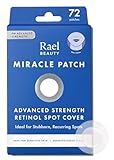
Overview: Rael’s PM Advanced patches target stubborn, recurring acne with time-release technology that delivers blemish-clearing actives overnight. The 72-count package focuses on surface-level spots using medical-grade hydrocolloid as the delivery mechanism. These patches are designed for nighttime use when skin undergoes natural repair processes.
What Makes It Stand Out: The time-release system provides sustained delivery of active ingredients (implied to include retinol based on the product name) throughout the night, offering longer treatment duration than standard patches. The dual-action approach combines absorption with gradual chemical exfoliation. With 72 patches, this package offers the highest count among premium options, making it suitable for chronic acne sufferers who need consistent treatment.
Value for Money: At $0.28 per patch, Rael’s retinol version sits between Mighty Patch and Differin in price. While more expensive than budget options, the time-release technology and high patch count justify the cost for those with persistent acne. The PM-specific design means you’re getting optimized overnight treatment rather than a one-size-fits-all solution.
Strengths and Weaknesses: Strengths include innovative time-release delivery, large quantity for long-term use, medical-grade materials, and focused overnight efficacy. The primary weakness is the lack of transparency about retinol concentration—sensitive skin users may experience irritation without knowing the potency. The patches are also less versatile for daytime wear due to their thicker profile optimized for overnight adhesion.
Bottom Line: Rael’s retinol patches suit those with stubborn, recurring acne who need sustained overnight treatment. The value is strong for heavy users, though ingredient transparency could be improved.
5. Rael Pimple Patches, Miracle Invisible Spot Cover - Hydrocolloid Acne Pimple Patch, Absorbs Zits & Blemish, Korean Skin Care, 2 Sizes (96 Count)

Overview: Rael’s Invisible Spot Cover prioritizes discretion without sacrificing efficacy. These 96 hydrocolloid patches come in two sizes (10mm and 12mm) with an ultra-thin, matte finish that blends seamlessly into all skin tones. Designed for daytime and nighttime use, they focus on pure absorption without added actives.
What Makes It Stand Out: The tapered edge design and matte finish create a truly invisible profile that disappears under makeup better than any competitor. While many brands claim invisibility, Rael’s execution is superior—the patches don’t reflect light or create a visible border. The 96-count package offers excellent longevity, and the two-size option covers most facial blemishes without overwhelming smaller spots.
Value for Money: At $0.18 per patch, this represents strong mid-tier value—cheaper than Mighty Patch but more expensive than budget brands. The focus on cosmetic elegance means you’re paying for the invisible design rather than medicated ingredients. For professionals who need discreet daytime treatment, the premium over basic hydrocolloid patches is justified.
Strengths and Weaknesses: Strengths include exceptional cosmetic invisibility, reliable adhesion through sweat and daily activities, hypoallergenic formulation, and generous quantity. The main weakness is the limited size range—no extra-small or large options for varying blemish sizes. Pure hydrocolloid means no active ingredients for treating underlying causes, making these better for occasional spots than chronic acne management.
Bottom Line: Rael’s Invisible patches are the top choice for discreet daytime wear. They excel at cosmetic camouflage while providing standard hydrocolloid benefits, though they won’t replace active acne treatments.
6. PatchRx Salicylic Pimple Patches (120 Pack), Salicylic Acid Acne Patches with Tea Tree Oil - Zit Patch and Pimple Stickers for Face for Skin Care - Salicylic Acid Acne Dots (Packaging May Vary)

Overview: The PatchRx 120-pack offers hydrocolloid pimple patches designed to cover blemishes and absorb excess fluid. Marketed with salicylic acid in the title yet described as non-medicated in the features, these vegan patches create a protective barrier that prevents picking while supporting natural healing. The pack includes small, medium, and large dots for versatile application on face and body.
What Makes It Stand Out: The triple-size variety ensures customized coverage for different blemish types, from minor spots to larger breakouts. The breathable, moist environment created by these ultra-thin patches accelerates recovery while remaining virtually invisible during 6-8 hour wear periods. The vegan, cruelty-free formulation appeals to ethically-conscious consumers seeking gentle skincare solutions.
Value for Money: At $9.99 for 120 patches ($0.08 each), this pack offers solid mid-range value. While not the cheapest option available, the size variety and ethical manufacturing justify the slightly higher cost compared to basic hydrocolloid patches. The satisfaction guarantee reduces purchase risk for first-time users.
Strengths and Weaknesses: Pros:
- Generous 120-count quantity with three size options
- Vegan and cruelty-free certification
- Effective barrier against picking and external irritants
- Ultra-thin, discreet design suitable for day/night wear Cons:
- Conflicting product description (title mentions actives, features state non-medicated)
- May lack potency for severe cystic acne
- 6-8 hour wear time is shorter than some competitors
Bottom Line: PatchRx delivers reliable hydrocolloid patches with ethical credentials and versatile sizing, though the confusing marketing requires careful reading. Best for those prioritizing cruelty-free products and preventive care over aggressive acne treatment.
7. Jo Dominic MAGIX PATCH T-Zone Acne Patches Large Hydrocolloid Pimple Patches for Forehead, Nose & Chin – Absorbs Oil & Blemishes Fast – Vegan & Cruelty-Free (12 Count)

Overview: Jo Dominic’s MAGIX PATCH targets the T-zone with large hydrocolloid patches specifically shaped for foreheads, noses, and chins. This 12-count set addresses hormonal acne, whiteheads, and blackheads in the most breakout-prone facial areas. Formulated with tea tree oil, Centella Asiatica, and salicylic acid, these dermatologist-tested patches promise visible results within 4-8 hours.
What Makes It Stand Out: The specialized T-zone design is a game-changer for those struggling with clustered breakouts in these areas. Unlike standard dot patches, these larger shapes provide comprehensive coverage without piecing together multiple small stickers. The combination of soothing Centella and purifying tea tree oil creates a balanced approach to treating active blemishes while preventing new ones.
Value for Money: At $6.65 for just 12 patches ($0.55 each), this is a premium-priced option. The cost reflects the specialized design and active ingredient blend, making it best suited for targeted treatment rather than daily preventative use. For occasional T-zone flare-ups, the price is justified by the convenience and formulation.
Strengths and Weaknesses: Pros:
- Purpose-built shapes for T-zone coverage
- Contains proven acne-fighting ingredients
- Dermatologist-tested and vegan-friendly
- Fast 4-8 hour action time Cons:
- High per-patch cost limits frequent use
- Only 12 patches per package
- Large size may be excessive for isolated pimples
- Limited to T-zone application
Bottom Line: MAGIX PATCH excels for T-zone-specific acne emergencies, offering thoughtful design and effective ingredients. The steep price makes it a specialty product rather than a daily staple—ideal for those who experience predictable hormonal breakouts in these areas.
8. TKTK Pimple Patches for Face, 0.01cm Ultra-Thin Invisible Acne Patches, Hydrocolloid Patches for Breakouts, Absorbs Zits & Blemish, Suitable Under Makeup, 2 Sizes(10mm/12mm) 168 count

Overview: TKTK’s 168-count acne patches prioritize invisibility with an ultra-thin 0.01cm design that disappears under makeup and across all skin tones. These hydrocolloid stickers come in 10mm and 12mm sizes, absorbing excess oil within 5 hours while protecting sensitive skin from external irritants and picking.
What Makes It Stand Out: The extreme thinness and transparency make these the most discreet option for daytime wear. At just $0.03 per patch, they combine affordability with performance, making consistent use financially sustainable. The easy-peel application and individual packaging enhance portability for on-the-go emergencies.
Value for Money: Exceptional value defines this product—168 patches for $5.59 creates the lowest per-unit cost in this category. This pricing structure encourages liberal application without guilt, perfect for acne-prone users needing daily coverage. The quantity alone provides months of supply for most users.
Strengths and Weaknesses: Pros:
- Incredibly thin and truly invisible under makeup
- Outstanding price point at $0.03 per patch
- 168-count provides excellent longevity
- Gentle, fragrance-free formula for sensitive skin Cons:
- Only two size options limits versatility
- May lack adhesion for very oily skin
- 5-hour absorption is shorter than overnight alternatives
- No active ingredients beyond hydrocolloid
Bottom Line: TKTK patches are the budget-friendly champion for discreet daytime acne coverage. While they won’t treat deep cystic acne, they excel at protecting and flattening surface blemishes invisibly. Perfect for makeup wearers and cost-conscious consumers.
9. Mighty Patch Micropoint Large Hydrocolloid Pimple Patches for Face Blemishes from Hero Cosmetics, Acne Stickers for Early Stage Zits & Hidden Pimples, 395 Proprietary Micropoints, 8 Count

Overview: Hero Cosmetics’ Mighty Patch Micropoint represents premium acne care with 395 proprietary micropoints designed for early-stage, hidden blemishes. These 8 large patches deliver targeted treatment through a sophisticated blend of salicylic acid, sodium hyaluronate, niacinamide, and willow bark, clinically tested for gentle yet effective action on developing zits.
What Makes It Stand Out: The micropoint technology creates tiny channels for active ingredients to penetrate deeply into emerging pimples before they surface. This proactive approach stops blemishes from fully developing, making it unique among reactive hydrocolloid patches. The formulation balances exfoliation with hydration, preventing the dryness common in acne treatments.
Value for Money: At $10 for 8 patches ($1.25 each), this is the most expensive option reviewed. The price reflects advanced technology and premium ingredients, positioning it as a specialized treatment rather than daily cover-up. For those prone to painful, deep blemishes, the cost may prevent larger, more inflamed breakouts that require expensive interventions.
Strengths and Weaknesses: Pros:
- Innovative micropoint technology for early intervention
- Superior ingredient blend with hydrating components
- Clinically tested and non-irritating
- Prevents blemishes from fully forming Cons:
- Extremely high per-patch cost
- Only 8 patches per box
- Limited to early-stage, single blemishes
- Overkill for minor surface pimples
Bottom Line: Mighty Patch Micropoint is a strategic investment for those battling deep, painful pre-pimples. Use it as a specialized tool in your acne arsenal, not an everyday patch. The high cost is justified only if you regularly experience severe, under-the-skin blemishes.
10. LitBear Pimple Patches for Face, 600 Counts Day and Night Acne Patches, Hydrocolloid Patches for Covering Zit and Blemishes, Large Breakouts, 5 Sizes Thin & Thick Spot Dots Stickers for Chin, Forehead

Overview: LitBear’s massive 600-count system provides comprehensive acne management with separate day and night hydrocolloid patches. The day patches measure just 0.33mm for invisibility, while thicker night patches offer maximum absorption. With five sizes ranging from 8mm dots to 60mm x 20mm bandages, this kit handles everything from single pimples to large breakout clusters.
What Makes It Stand Out: The dual-formulation approach optimizes treatment around the clock, while the unmatched size variety—including large rectangular bandages—covers areas competitors can’t. The claim of absorbing “60% more gunk” suggests superior hydrocolloid quality. Having 600 patches eliminates reordering anxiety for frequent users.
Value for Money: At $13.99 for 600 patches ($0.02 each), LitBear delivers the absolute best per-unit value. This bulk pricing makes it economical for severe acne sufferers requiring multiple daily patches. The inclusion of both thin and thick varieties essentially provides two products in one, maximizing the investment.
Strengths and Weaknesses: Pros:
- Unbeatable 600-count quantity and value
- Five versatile sizes including large bandages
- Separate day (thin) and night (thick) formulations
- Pure hydrocolloid, safe for sensitive skin Cons:
- May expire before casual users finish the supply
- Large upfront cost despite per-patch savings
- No active ingredients beyond hydrocolloid
- Storage requires more space
Bottom Line: LitBear is the ultimate bulk solution for serious acne management. The extensive sizing and dual day/night system provide unmatched versatility at an incredible per-patch price. Best for consistent, heavy users rather than occasional spot-treaters.
Understanding Hormonal Acne and Why It Strikes During Your Period
The Science Behind Menstrual Breakouts
Your menstrual cycle orchestrates a complex hormonal symphony that directly impacts your skin’s behavior. During the luteal phase—the week or two before menstruation—progesterone levels surge while estrogen declines. This hormonal shift triggers increased sebum production and skin swelling, which constricts pores and creates the perfect environment for inflammation. Testosterone levels remain relatively stable but become more dominant without estrogen’s balancing effect, further stimulating oil glands. The result? Those deep, painful cysts that form beneath the skin’s surface, often clustered along the jaw, chin, and lower cheeks where hormonal receptors are most concentrated.
Why Traditional Treatments Often Fail Period Acne
Conventional spot treatments containing benzoyl peroxide or salicylic acid can actually exacerbate period acne by over-drying the skin’s surface while failing to reach the deeper inflammation. Hormonal breakouts aren’t caused by surface bacteria alone—they’re inflammatory responses to internal hormonal fluctuations. Slathering harsh treatments on already-sensitive, premenstrual skin often leads to compromised barrier function, increased redness, and a longer healing time. This is where occlusion therapy through patches offers a gentler, more targeted approach that respects your skin’s delicate state during your cycle.
How Acne Patches Work Their Overnight Magic
The Hydrocolloid Difference
Hydrocolloid technology forms the backbone of most effective acne patches, creating a moist wound-healing environment that accelerates recovery. These gel-based dressings absorb fluid and pus while maintaining optimal hydration levels, preventing the scabbing and scarring common with air-dried pimples. For period acne specifically, hydrocolloid’s ability to reduce inflammation while protecting the blemish from external bacteria and your picking fingers is invaluable. The occlusive barrier also drives any added active ingredients deeper into the skin, maximizing their efficacy during the critical overnight repair window when cellular regeneration peaks.
Active Ingredients That Target Hormonal Pimples
The most effective period acne patches combine hydrocolloid bases with ingredients that address hormonal acne’s unique characteristics. Niacinamide regulates sebum production and reduces the redness that makes period pimples so noticeable. Tea tree oil provides natural antimicrobial action without the irritation potential of synthetic antibiotics. Centella asiatica (cica) calms the intense inflammation that makes hormonal cysts painful to the touch. Some advanced formulations include peptides that support skin repair or mild retinoids that accelerate cell turnover without the photosensitivity concerns of traditional retinol products.
Key Features to Look for in Period Acne Patches
Absorption Power for Deep, Cystic Pimples
Period acne often manifests as blind, under-the-skin cysts that never come to a head. Standard patches may struggle with these lesions, which is why you need options specifically designed for deep absorption. Look for patches with enhanced hydrocolloid density or multi-layer construction that can draw fluid from deeper within the dermis. Thicker patches (around 0.3-0.5mm) generally offer better absorption for cystic acne compared to ultra-thin versions, though they may be more visible. Some advanced designs feature micro-darts or microneedles that create tiny channels to deliver ingredients directly into the cyst’s core.
Invisible Design for Daytime Wear
While overnight application is ideal, period breakouts don’t follow a convenient schedule. The best patch collections include ultra-thin, matte-finish options that disappear on skin for daytime emergencies. These should be under 0.1mm thick with tapered edges that blend seamlessly into your skin texture. Transparency isn’t just about color-matching—it’s about light diffusion technology that prevents the patch from catching light and becoming noticeable. Some patches incorporate skincare ingredients like hyaluronic acid that simultaneously treat the blemish while creating a smooth canvas for makeup application over top.
Adhesive Strength That Lasts Through Sleep
There’s nothing more frustrating than finding your patch crumpled on your pillowcase instead of on your pimple. Period acne patches need medical-grade adhesives that withstand eight hours of movement, sweat, and potential oil production. The adhesive should be strong enough to stay put but gentle enough to remove without irritating sensitive premenstrual skin. Look for patches with perimeter reinforcement—thicker adhesive around the edges prevents lifting while allowing the center to remain flexible. Water-resistant formulations ensure the patch won’t detach if you apply nighttime skincare products or experience night sweats common during your period.
Size Variety for Different Breakout Types
Hormonal acne rarely appears as isolated single pimples. You’ll typically face clusters of small papules, solitary large cysts, and everything in between. A comprehensive patch kit should include at least three sizes: small (8-10mm) for emerging whiteheads, medium (12mm) for standard pimples, and large (15-20mm) for covering clusters or major cysts. Some brands offer custom-shaped patches designed specifically for the jawline contour where period acne commonly appears. Having this variety prevents you from using a patch that’s too small (ineffective coverage) or unnecessarily large (wasting product and drawing attention).
Material Matters: Hydrocolloid vs. Microneedle vs. Salicylic Acid
Hydrocolloid Patches: The Classic Choice
Standard hydrocolloid patches excel at treating pimples that have come to a head or are close to the surface. They work by absorbing exudate and creating a protective barrier that speeds healing. For period acne, these are most effective when you feel a pimple brewing but can see it’s beginning to surface. The transparent, gel-like material turns white as it absorbs fluid, giving you a visual cue that it’s working. Pure hydrocolloid patches are ideal for sensitive skin types who react to active ingredients, especially during the premenstrual phase when skin barrier function is compromised.
Microneedle Patches: For Deep, Stubborn Cysts
Microneedle acne patches represent the cutting edge for treating hormonal cysts that never develop a head. These patches contain self-dissolving microstructures (typically made of hyaluronic acid or similar biocompatible materials) infused with acne-fighting ingredients. When applied, these microscopic “needles” painlessly penetrate the stratum corneum, delivering actives like salicylic acid, niacinamide, or peptides directly into the blemish’s core. For period acne, microneedle patches can significantly reduce the lifespan of a deep cyst from two weeks to just three or four days by addressing the inflammation at its source rather than waiting for it to surface.
Salicylic Acid-Infused Patches: Chemical Exfoliation While You Sleep
These hybrid patches combine hydrocolloid bases with time-released salicylic acid, offering dual-action treatment. The chemical exfoliant penetrates pores to dissolve the oil and dead skin cells contributing to the breakout, while the patch material absorbs fluid and protects the area. For hormonal acne, lower concentrations (0.5-1%) are preferable to avoid over-exfoliation during your period when skin is more reactive. These patches are particularly effective for preventing the post-inflammatory hyperpigmentation that often follows period pimples, as the salicylic acid promotes even cell turnover while the patch prevents picking.
Size and Shape Considerations for Strategic Placement
Covering Cluster Breakouts
Period acne frequently appears in clusters along the jawline or chin, making individual patch application impractical. Large rectangular or oval patches (sometimes called “sheet patches”) can cover multiple blemishes simultaneously while delivering uniform treatment. These are especially useful for the “beard area” breakouts common in hormonal acne patterns. When using cluster patches, ensure the adhesive is breathable enough to prevent maceration of healthy skin between pimples, and limit wear time to 6-8 hours to avoid over-hydrating surrounding tissue.
Targeting Individual Mounting Pimples
For that single, monstrous cyst that appears right before an important event, precision is key. Small, thick circular patches with concentrated active ingredients in the center provide targeted treatment without wasting product. Some advanced designs feature a bullseye pattern with stronger adhesive and more potent ingredients in the middle, tapering to gentler edges that won’t irritate surrounding skin. For cysts that are painful to touch, look for patches with cushioning layers that provide physical protection from accidental pressure during sleep.
Transparency and Wearability: From Desk to Date Night
Ultra-Thin Options
The latest generation of acne patches measures under 0.05mm thick—roughly the thickness of a human hair. These disappear completely on skin, making them suitable for daytime wear even without makeup. For period acne emergencies when you need to treat a pimple while at work or school, these patches offer discreet treatment. The trade-off is reduced absorption capacity, so they’re best for early-stage pimples rather than mature cysts. Some ultra-thin versions incorporate color-correcting tints (like subtle green or yellow) that neutralize redness visually while treating the blemish.
Matte vs. Glossy Finishes
Glossy patches catch light and become immediately noticeable, while matte finishes absorb light and blend with natural skin texture. For period acne that often appears in highly visible areas like the chin or forehead, matte patches are non-negotiable for daytime wear. The finish is determined by the hydrocolloid formulation—patches with higher water content tend to be glossier, while those with more polymer content create a powder-like matte surface. Some premium patches offer a “soft focus” effect that blurs the appearance of the blemish while treating it, essentially functioning as treatment and cosmetic in one.
Active Ingredients That Actually Work on Hormonal Acne
Niacinamide for Redness Reduction
At concentrations of 2-5%, niacinamide is a powerhouse for period acne. It regulates sebum production at the source, reducing the oil that feeds hormonal breakouts. More importantly, it strengthens the skin barrier—crucial during your period when barrier function naturally declines. Niacinamide also suppresses melanin transfer, preventing the dark marks that often linger long after period pimples heal. In patch form, it’s delivered in a controlled manner over 6-8 hours, avoiding the irritation that can occur with high-concentration serums while maximizing its anti-inflammatory effects on swollen hormonal cysts.
Tea Tree Oil for Natural Antibacterial Action
Tea tree oil in patches provides broad-spectrum antimicrobial activity without breeding resistance like traditional antibiotics. For hormonal acne, which isn’t primarily bacterial but can become secondarily infected, this natural ingredient prevents complications. The key is proper concentration—0.5-2% is effective without risking contact dermatitis, especially important when skin is more reactive premenstrually. Look for patches that encapsulate tea tree oil in liposomes or other delivery systems that prevent oxidation and ensure gradual release throughout the night.
Centella Asiatica for Calming Inflammation
Centella asiatica (cica) contains madecassoside and asiaticoside, compounds that actively reduce the inflammatory cascade driving hormonal acne pain and swelling. In patch form, cica creates a soothing environment that calms the prostaglandin-mediated inflammation characteristic of period breakouts. This is particularly valuable for cysts that feel hot and throbbing. Patches with high cica content often show visible reduction in redness and swelling within 4-6 hours, making them ideal for overnight use when you need to see results by morning.
Wear Time and When to Replace Your Patch
Overnight Duration Guidelines
For optimal results, most period acne patches should be worn for 6-8 hours—the typical sleep duration. This timeframe allows the hydrocolloid to reach fluid absorption saturation while delivering actives through the skin’s natural nighttime repair cycle. Wearing patches longer than 10 hours can lead to maceration (over-hydration) of surrounding skin, potentially weakening the barrier and causing new breakouts. For deep cystic acne, you may need two consecutive nights with fresh patches rather than one extended wear period.
Signs It’s Time to Switch
A patch that’s turned completely white and opaque has reached absorption capacity and should be replaced. If edges begin to lift, the protective seal is compromised and bacteria can enter. For patches containing active ingredients, effectiveness diminishes after 8 hours as the delivery system becomes depleted. Some advanced patches include color-changing indicators that shift from clear to opaque when the active ingredients have been fully released, taking the guesswork out of timing.
Application Tips for Maximum Effectiveness
Prepping Your Skin Properly
The success of your acne patch hinges on proper skin preparation. Cleanse with a gentle, pH-balanced cleanser—avoid harsh scrubs or exfoliants that can compromise the adhesive. Pat the area completely dry; any moisture prevents proper adhesion. If you use toner, choose alcohol-free formulas and wait 5 minutes for complete evaporation. Avoid applying any serums, moisturizers, or oils within a half-inch radius of the blemish, as these can interfere with the adhesive. For particularly oily skin, a quick swipe with salicylic acid toner on just the pimple itself can enhance adhesion by removing surface oil.
Placement Techniques
For cystic period acne that hasn’t surfaced, place the patch directly over the most tender point, pressing firmly for 10-15 seconds to ensure full contact. The pressure helps the microneedles (if using) penetrate and drives the hydrocolloid into closer contact with the skin. For cluster breakouts, position the largest patch to cover the entire inflamed area, not just visible pimples—this treats emerging lesions you can’t yet see. When applying before bed, consider your sleeping position and place patches on areas less likely to experience pillow pressure. Some users find that applying patches slightly off-center from the cyst’s peak allows better drainage toward the patch’s most absorbent zone.
Common Mistakes That Reduce Patch Performance
Applying on Unwashed Skin
Slapping a patch over makeup, sunscreen, or daytime grime traps bacteria against the blemish, potentially worsening the infection. Even “clean” skin accumulates oils and environmental pollutants throughout the day that interfere with adhesion and create a breeding ground for bacteria. Always apply patches to freshly cleansed skin, ideally as the final step in your nighttime routine after any other products have fully absorbed.
Removing Too Early
Impatience is the enemy of effective patch therapy. Removing a patch after just 2-3 hours because “nothing is happening” wastes product and interrupts the treatment process. Hydrocolloid patches work gradually, and active ingredients need time to penetrate deep into hormonal cysts. Premature removal also risks pulling out partially dissolved microneedles or disturbing the healing environment. Set a timer for 6 hours minimum, and resist the urge to peek. The patch is working even if you can’t see immediate visible change.
Safety Considerations and Skin Sensitivity
Patch Testing Recommendations
During your period, skin’s reactivity increases due to prostaglandin fluctuations and barrier impairment. Always patch test new acne patches on your inner forearm or behind your ear 24 hours before facial application, even if you’ve used similar products before. Pay attention to adhesive reactions, which can appear as redness or itching beyond the patch’s perimeter. For microneedle patches, test for both adhesive and ingredient sensitivity, as the deeper delivery can trigger reactions not seen with topical application.
When to Avoid Certain Ingredients
If you’re using prescription retinoids or undergoing professional acne treatments, avoid patches with additional exfoliating acids to prevent over-processing. During pregnancy or when trying to conceive, steer clear of patches containing retinoids, hydroquinone, or high-concentration salicylic acid. For those with aspirin allergies, willow bark-derived salicylic acid patches may trigger reactions—opt for pure hydrocolloid or niacinamide-based options instead. If you have eczema or rosacea alongside period acne, fragrance-free, minimal-ingredient patches are essential to avoid triggering flares.
Budget vs. Premium: What You’re Really Paying For
Drugstore Finds vs. Luxury Options
Budget-friendly patches ($5-12 for 24-36 patches) typically offer basic hydrocolloid functionality without advanced active ingredients. They work well for surface-level period pimples but may lack the absorption power for deep cysts. Premium patches ($15-30 for similar quantities) justify their price through patented delivery systems, higher-quality adhesives that don’t irritate sensitive skin, and clinically studied ingredient combinations. They often include multiple sizes and types in one kit, providing better value for treating the varied breakout patterns of hormonal acne.
Value Pack Considerations
Period acne is predictable—you know it’s coming monthly—so bulk purchasing makes sense. Look for value packs that offer 60+ patches with a mix of sizes. However, check expiration dates; hydrocolloid patches lose efficacy over time as they dry out. Some brands offer subscription services that deliver fresh patches monthly, timed to your cycle. This ensures you always have effective patches on hand without hoarding products that may degrade. Consider the cost-per-patch rather than total package price, and factor in whether you’ll realistically use all included sizes or if a curated selection better serves your specific breakout pattern.
Sustainability and Eco-Friendly Options
Biodegradable Materials
Traditional hydrocolloid patches contain plastics that persist in landfills for hundreds of years. Newer eco-conscious brands use biodegradable polymers derived from plant cellulose that break down in 90-180 days. These patches often come in recyclable or compostable packaging printed with soy-based inks. While performance was initially inferior, recent formulations match conventional patches in absorption and adhesion. For environmentally aware consumers, these offer guilt-free treatment of monthly breakouts without contributing to plastic waste.
Minimal Packaging
Look for brands that use single-pouch packaging rather than individual wrappers for each patch, reducing waste by up to 70%. Some companies offer refillable tins where you purchase a durable container once and buy refill packs in minimal packaging. This approach is particularly cost-effective for period acne sufferers who use patches predictably each month. Be wary of excessive outer boxes and marketing inserts that add no value while increasing environmental impact.
Integrating Patches Into Your Period Skincare Routine
Morning After Patch Removal
After removing a patch, you’ll notice softened, possibly macerated skin that needs gentle care. Rinse the area with lukewarm water—no scrubbing—and pat dry. Apply a lightweight, non-comedogenic moisturizer to restore barrier function. If the pimple has flattened but remains red, follow with a niacinamide serum to continue reducing inflammation. Avoid applying makeup directly to the area for at least 30 minutes to allow the skin to rebalance. For persistent marks, consider a vitamin C spot treatment, but wait until evening to avoid photosensitivity.
Layering With Other Products
Acne patches should be the final step in your nighttime routine, applied to bare skin. If you use period-specific skincare like progesterone-balancing serums or anti-inflammatory treatments, apply these first and wait 15-20 minutes for full absorption. Oil-based products will dissolve patch adhesive, so use water-based formulas during your luteal phase. For those using prescription acne medications, consult your dermatologist about timing—some ingredients can be applied in the morning while patches are used at night to avoid interaction.
Troubleshooting: When Patches Don’t Seem to Work
Adjusting Expectations
Period acne is notoriously stubborn, and even the best patch won’t make a deep cyst disappear overnight. If you see reduced pain, less redness, or decreased size after one application, the patch is working. Some cysts require 2-3 consecutive nights of treatment to fully resolve. If patches consistently fail, you may be dealing with something other than hormonal acne—consider fungal acne or cystic acne requiring professional intervention. Track your cycle and patch effectiveness; some users find patches work better during certain phases of their period.
Alternative Approaches
For truly resistant hormonal cysts, combine patch therapy with internal support. Anti-inflammatory supplements like omega-3 fatty acids or DIM (diindolylmethane) can reduce systemic inflammation driving breakouts. Warm compresses applied for 5 minutes before patch application can increase circulation and improve ingredient penetration. If you experience the same monthly cyst in the exact location, consider preventive patching—apply a hydrocolloid patch to that spot for 3-4 nights before your period starts to prevent the lesion from fully forming.
Frequently Asked Questions
Can I use acne patches every day during my period?
Yes, you can use patches throughout your luteal phase and period, but give your skin breaks between applications on the same spot. Continuous occlusion can weaken the skin barrier, so limit consecutive nights on identical blemishes to 3-4 days maximum. For cluster breakouts, rotate patch placement to avoid over-treating healthy skin.
Will acne patches prevent period acne if I use them before I break out?
Preventive patching on areas where you typically get hormonal acne can reduce severity by controlling oil and preventing bacterial colonization before pimples surface. Apply patches to your jawline and chin for 3-4 nights before your expected breakout. This works best when combined with cycle-syncing skincare that addresses hormonal fluctuations.
Are microneedle patches painful for sensitive period skin?
Quality microneedle patches shouldn’t cause pain—they’re designed with needles shorter than 0.5mm that only penetrate the outermost skin layer. However, period skin is more sensitive. If you experience discomfort, try refrigerating the patch for 5 minutes before application to numb the area slightly, or switch to standard hydrocolloid patches during your most sensitive days.
How do I know if a patch is working on a deep cyst?
You’ll notice reduced tenderness within 4-6 hours as inflammation subsides. The cyst may feel less firm and appear less raised by morning. Unlike surface pimples, deep cysts won’t always produce visible white absorption on the patch. Track changes in size and pain level rather than expecting the patch to look “full.”
Can I wear makeup over acne patches during the day?
Yes, ultra-thin, matte patches are designed for this purpose. Apply makeup gently with a tapping motion rather than rubbing. Avoid oil-based foundations that can dissolve the adhesive. Setting spray helps secure everything in place. Remove makeup and patches simultaneously at day’s end to prevent product buildup.
Do acne patches work on period-related back or chest acne?
Absolutely, though you’ll need larger patches or sheet-style options for these body areas. The skin on chest and back is thicker, so microneedle patches often work better for body hormonal acne. Ensure the area is completely dry before application, as body sweat can interfere with adhesion.
Why do my patches keep falling off while I sleep?
This usually indicates inadequate skin preparation or incompatible nighttime products. Ensure skin is completely dry and free from oils. Apply patches as the final step after all other skincare has absorbed. If you use silk pillowcases (which reduce friction), consider switching to cotton during patch nights for better grip.
Can I cut patches to fit awkward spots near my nose or mouth?
Yes, but use clean scissors and cut before removing the protective film. Be aware that cut edges may lift more easily. Some brands offer pre-cut patches specifically for the nose wing area or lip line. Avoid cutting microneedle patches, as this damages the needle array and reduces effectiveness.
Are there any ingredients I should avoid in patches during pregnancy?
Avoid retinoids, hydroquinone, and high-concentration salicylic acid (over 2%). Stick to pure hydrocolloid or patches with pregnancy-safe ingredients like niacinamide, centella, and tea tree oil. Always consult your OB-GYN before starting any new acne treatment while pregnant.
How long should I keep using patches after my period ends?
Continue using patches on any remaining blemishes until fully healed, but you can stop preventive daily use once hormone levels stabilize (typically day 3-4 of your period). Some people benefit from using patches during ovulation when a secondary, smaller hormonal shift can trigger breakouts. Track your personal cycle to optimize timing.