Your cardio sessions deserve better than guesswork. Whether you’re pounding pavement, crushing HIIT workouts, or grinding through endurance training, understanding your heart’s response is the difference between plateauing and progressing. Premium heart-rate monitors have evolved from simple pulse trackers into sophisticated training companions that decode your cardiovascular system in real time, turning every beat into actionable intelligence.
But not all monitors are created equal. The landscape is cluttered with budget options that promise the world and deliver frustration—erratic readings, connectivity dropouts, and data that doesn’t translate to results. This guide dives deep into what separates premium devices from the pretenders, arming you with the knowledge to choose technology that genuinely transforms your training. We’ll explore the science, dissect the features that matter, and help you understand why investing in accuracy pays dividends in performance.
Top 10 Heart-Rate Monitors for Cardio Sessions
Detailed Product Reviews
1. Polar H10 Heart Rate Monitor Chest Strap - ANT + Bluetooth, Waterproof HR Sensor for Men and Women, Black, M-XXL
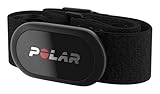
Overview: The Polar H10 represents the gold standard in chest-worn heart rate monitoring, delivering clinical-grade accuracy for serious athletes and fitness enthusiasts. This premium sensor combines decades of Polar’s cardiovascular expertise with modern connectivity, making it compatible with virtually every fitness ecosystem imaginable, from gym equipment to outdoor sports watches.
What Makes It Stand Out: The H10’s supreme accuracy is its calling card, widely validated by sports scientists and medical professionals as the most reliable consumer HR sensor available. Its triple-threat connectivity—Bluetooth, ANT+, and 5 kHz—allows simultaneous connections to multiple devices, a rare feature that lets you broadcast to your watch, bike computer, and gym equipment concurrently. The internal memory stores multiple hours of data, enabling pool swims and offline activities without a paired device.
Value for Money: At $92.36, the H10 sits at the premium end, but justifies its cost through unmatched compatibility and precision. Cheaper straps often suffer from dropouts and drift, while the H10’s reliability means fewer workout interruptions and more trustworthy training data. For data-driven athletes, this accuracy translates to better training decisions and long-term value.
Strengths and Weaknesses: Strengths include exceptional accuracy, multi-device connectivity, waterproof design with internal memory, and a comfortable, stable strap with silicone grips. Weaknesses involve the higher price point and slightly bulkier sensor pod compared to minimalist competitors. The coin-cell battery requires periodic replacement rather than being rechargeable.
Bottom Line: If you demand the most accurate heart rate data for serious training, the Polar H10 is worth every penny. It’s the professional’s choice for reliable, multi-sport performance tracking that won’t let you down when precision matters most.
2. Garmin HRM 200 Heart Rate Monitor, Accurate Heart Rate and HRV Data, Comfortable Machine Washable Strap, M-XL

Overview: The Garmin HRM 200 delivers reliable heart rate and heart rate variability data through a no-nonsense design that prioritizes comfort and convenience. As Garmin’s latest chest strap offering, it seamlessly integrates with the extensive Garmin ecosystem while maintaining broad compatibility with third-party devices and fitness apps.
What Makes It Stand Out: The standout feature is the machine-washable strap, a practical innovation that addresses the hygiene concerns of daily trainers. With up to one year of battery life from a user-replaceable cell, it minimizes maintenance hassles significantly. The HRV data capture provides deeper insights into recovery and training load for compatible Garmin devices, offering performance analytics beyond basic heart rate.
Value for Money: Priced at $72.97, the HRM 200 positions itself as a mid-range option that undercuts the Polar H10 while offering comparable accuracy for most training scenarios. The washable strap and exceptional battery life add tangible value, reducing long-term ownership costs and effort compared to competitors requiring frequent charging or strap replacement.
Strengths and Weaknesses: Strengths include excellent battery longevity, comfortable washable strap, reliable connectivity, and HRV data support. The 3 ATM water rating handles swimming and heavy sweating without issue. Weaknesses include lack of internal memory for offline recording and more limited multi-device connectivity compared to premium competitors like the H10.
Bottom Line: The Garmin HRM 200 is an excellent choice for Garmin users seeking a low-maintenance, accurate heart rate monitor. Its washable design and year-long battery make it ideal for daily training without the premium price tag.
3. COOSPO Bluetooth Heart Rate Monitor Chest Strap H808S, ANT+ BLE HR Monitor Chest, HRM IP67 Waterproof, Use for Running Cycling Gym and Other Sports
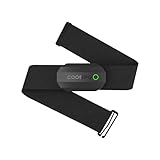
Overview: The COOSPO H808S chest strap delivers surprising performance at a budget-friendly price point, offering dual-mode connectivity for athletes who need reliable heart rate data without premium costs. This sensor targets value-conscious fitness enthusiasts who won’t compromise on core functionality for running, cycling, and gym workouts.
What Makes It Stand Out: The H808S features both Bluetooth and ANT+ connectivity with a unique LED and beep reminder system that confirms connection status—blue for connected, green for disconnected. This simple feedback prevents starting workouts with a dead sensor. The ±1BPM accuracy claim holds up well for most training intensities, providing dependable data for zone training.
Value for Money: At just $36.99, this monitor costs less than half of premium alternatives while delivering 90% of the functionality. The one-year warranty and responsive RD support team provide peace of mind rarely found at this price. For recreational athletes and regular gym-goers, the value proposition is compelling and hard to ignore.
Strengths and Weaknesses: Strengths include affordable pricing, dual connectivity, good accuracy, IP67 waterproof rating, and helpful LED indicators. The strap is comfortable for most users and compatible with other sensor pods. Weaknesses include shorter battery life than premium options, occasional connectivity drops in crowded gyms, and lack of internal memory for swimming or offline recording.
Bottom Line: The COOSPO H808S is the smart choice for budget-minded athletes seeking reliable heart rate data. It punches well above its weight class, making premium features accessible at an entry-level price without major compromises.
4. AliveCor KardiaMobile 6-Lead Personal EKG Monitor – Six Views of The Heart – Detects AFib and Irregular Arrhythmias – Instant Results in 30 Seconds – Works with Most Smartphones

Overview: The AliveCor KardiaMobile 6L transforms your smartphone into a clinical-grade EKG machine, offering six-lead cardiac monitoring that goes far beyond standard heart rate tracking. This FDA-cleared device provides medical-quality data for users with known heart conditions or health anxiety.
What Makes It Stand Out: This is the world’s only FDA-cleared six-lead personal EKG, delivering diagnostic-quality data that physicians can actually use. In 30 seconds, it detects AFib, Bradycardia, Tachycardia, and Normal Sinus Rhythm. The six-lead configuration provides superior detail compared to single-lead alternatives, revealing cardiac issues that might otherwise go unnoticed.
Value for Money: At $129.00, it’s priced appropriately for a medical device rather than a fitness gadget. While expensive compared to HR monitors, it offers legitimate diagnostic capabilities without requiring a prescription or subscription. For at-risk individuals, early detection potential justifies the cost.
Strengths and Weaknesses: Strengths include medical-grade accuracy, six-lead data, FDA clearance, no subscription requirement, and broad smartphone compatibility. The device is compact and easy to use. Weaknesses include the price premium for fitness-only users, requirement to hold device steady during recording, and inability to detect heart attacks.
Bottom Line: The KardiaMobile 6L is essential for anyone with cardiac concerns but overkill for basic fitness tracking. It’s a medical tool that belongs in preventive care, not just workout bags.
5. EZON Heart Rate Monitor Chest Strap and Digital Watch T037,5ATM Waterproof Fitness Tracker with HRM,Calories Burned,Stopwatch and Hourly Chime (Watch Band Included)

Overview: The EZON T037 combines a chest strap heart rate monitor with a dedicated digital watch, creating an all-in-one fitness tracking solution that doesn’t require a smartphone. This integrated system appeals to traditionalists who value simplicity and immediate feedback during workouts without app dependencies.
What Makes It Stand Out: The included digital watch displays real-time heart rate, calories burned, and features a built-in stopwatch and hourly chime for interval training. Users can customize heart rate safety zones with audible alerts every 10 seconds when exceeded, preventing dangerous overexertion. This self-contained system eliminates dependency on apps or phones entirely.
Value for Money: At $42.99, the T037 package undercuts buying separate chest strap and watch components. It delivers basic HRM functionality plus timing features without ongoing subscription costs. For gym users and casual athletes, it provides essential metrics at an accessible price point.
Strengths and Weaknesses: Strengths include integrated watch display, personalized safety zones, 5ATM waterproof rating, calorie estimation, and simple operation. The system works immediately out of box with minimal setup. Weaknesses include limited data storage, no connectivity to fitness apps, basic watch aesthetics, and lack of advanced metrics like HRV or training load analysis.
Bottom Line: The EZON T037 is perfect for users wanting straightforward heart rate monitoring without tech complexity. It’s a functional, affordable package that covers the basics well while maintaining independence from smart devices.
6. COROS Heart Rate Monitor, Comfort, Easy to wear, Auto-wear Detection, Advanced Sensor, Precise Data, Bluetooth, 38 Hours Battery Life, Connects up to 3 Devices at Once, for Run and Bike-Grey

Overview: The COROS Heart Rate Monitor redefines workout tracking with its innovative armband design that prioritizes comfort without sacrificing accuracy. This sleek grey device positions itself as a premium alternative to traditional chest straps, specifically engineered for dedicated athletes who demand reliable heart rate data during intense training sessions. With 38 hours of battery life and multi-device connectivity, it’s built for serious runners and cyclists who use multiple training platforms simultaneously.
What Makes It Stand Out: Unlike conventional monitors, the COROS armband features auto-wear detection that automatically activates when you put it on, eliminating manual start/stop frustrations. The advanced optical sensor is housed in a rugged, scratch-resistant body, delivering precise data while the breathable fabric band ensures distraction-free comfort. Its ability to connect to three Bluetooth devices simultaneously is a standout feature for athletes who train with watches, bike computers, and apps concurrently.
Value for Money: At $79, the COROS monitor sits in the mid-to-premium range for optical heart rate monitors. While pricier than basic chest straps, the comfort factor, extended battery life, and triple-device connectivity justify the cost for serious athletes. The 38-hour battery significantly outlasts many competitors, reducing recharge frequency and long-term hassle.
Strengths and Weaknesses: Strengths include exceptional comfort compared to chest straps, impressive 38-hour battery life, reliable auto-wear detection, and robust triple Bluetooth connectivity. The scratch-resistant design adds durability. However, the lack of ANT+ compatibility limits connectivity with some older gym equipment, and it’s explicitly not designed for 24/7 daily tracking, reducing versatility for users wanting continuous monitoring.
Bottom Line: The COROS Heart Rate Monitor is an excellent choice for dedicated runners and cyclists who prioritize comfort and multi-device connectivity. If you can live without ANT+ and daily tracking features, this armband delivers premium performance that justifies its price point.
7. Polar H10 Heart Rate Monitor Chest Strap - ANT + Bluetooth, Waterproof HR Sensor for Men and Women, Red, M-XXL

Overview: The Polar H10 represents the gold standard in chest strap heart rate monitoring, earning its reputation as Polar’s most accurate sensor ever. This versatile red strap delivers clinical-grade precision for athletes who refuse to compromise on data quality. With multi-band connectivity and full waterproofing, it adapts seamlessly to any training environment, from dry gym sessions to open water swimming.
What Makes It Stand Out: The H10’s supreme accuracy stems from improved electrode sensors that capture ECG-quality heart rate data, making it the choice of professional athletes and researchers. Its unique triple-connectivity protocol (Bluetooth, ANT+, and 5 kHz) ensures universal compatibility with virtually any device or equipment. The internal memory feature allows standalone recording when away from your watch, syncing data later—a game-changer for sports where wearing a watch is impractical.
Value for Money: Priced at $92.36, the H10 commands a premium but delivers professional-grade features that cheaper alternatives can’t match. The combination of unmatched accuracy, universal connectivity, and internal memory creates exceptional value for serious athletes. When accuracy directly impacts training effectiveness, the investment pays dividends in optimized performance.
Strengths and Weaknesses: Strengths include industry-leading accuracy, comprehensive connectivity options, waterproof design with internal memory, and a comfortable Polar Pro strap with interference-blocking silicone dots. However, chest straps inherently feel less comfortable than armbands for some users, and the price point may deter casual exercisers. The red color, while distinctive, shows sweat marks visibly.
Bottom Line: For athletes who demand the most accurate heart rate data possible, the Polar H10 is unbeatable. The premium price is justified by professional-grade precision and versatility that serious trainers will appreciate and casual users may not need.
8. Scosche Rhythm+ 2.0 Heart Rate Monitor Armband for Running, Cycling, Exercise & Recovery with Bluetooth, ANT+, Optical Sensor for HRV & RRi Data, IP68 Waterproof Fitness Tracker with 24hr Battery Life
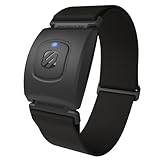
Overview: The Scosche Rhythm+ 2.0 strikes an impressive balance between affordability and advanced functionality in an optical armband heart rate monitor. This versatile device caters to both performance-focused athletes and recovery-conscious users, delivering accurate real-time tracking alongside sophisticated HRV insights. Its rugged IP68 waterproofing and 24-hour battery make it a reliable companion for diverse training scenarios.
What Makes It Stand Out: The Rhythm+ 2.0 uniquely combines standard heart rate monitoring with HRV mode, capturing detailed RR interval data for recovery analysis through apps like HRV4Training and Morpheus. This dual-purpose capability, typically found in more expensive devices, sets it apart. The flexible wearing options (forearm, bicep, or tricep) and simultaneous Bluetooth/ANT+ connectivity provide exceptional versatility for multi-device setups.
Value for Money: At $44.99, this monitor offers remarkable value, undercutting many competitors while delivering premium features like HRV tracking and IP68 waterproofing. The 24-hour battery life is competitive, and dual connectivity eliminates compatibility concerns. For budget-conscious athletes wanting advanced metrics, it’s hard to beat.
Strengths and Weaknesses: Strengths include affordable pricing, HRV/RRi data capability, dual Bluetooth and ANT+ connectivity, comfortable flexible fit, and excellent waterproofing. The lightweight design stays secure during intense workouts. However, the 24-hour battery life, while decent, falls short of some premium alternatives, and the optical sensor may occasionally lag during very high-intensity intervals compared to chest strap ECG sensors.
Bottom Line: The Scosche Rhythm+ 2.0 is a standout value proposition for athletes wanting more than basic heart rate data without breaking the bank. Its HRV capabilities and dual connectivity make it an intelligent choice for performance and recovery tracking.
9. Zeacool Fitness Tracker with 24/7 Heart Rate, Blood Oxygen Blood Pressure Sleep Monitor, Activity Trackers 5 ATM Waterproof,Step Calorie Counter Pedometer Health Smart Watch for Women Men Pink

Overview: The Zeacool Fitness Tracker is a feature-packed smartwatch that brings comprehensive health monitoring to an incredibly accessible price point. This pink wearable goes beyond basic fitness tracking to offer 24/7 heart rate, blood oxygen, blood pressure, and sleep monitoring alongside 25 sport modes. Its 5 ATM waterproof rating and vibrant AMOLED display make it a versatile daily companion for health-conscious users.
What Makes It Stand Out: This device stands out primarily through its extraordinary feature set at a budget price. The inclusion of blood pressure monitoring (rare in this price range), temperature tracking, and extensive health metrics provides exceptional value. The 1.10-inch AMOLED HD touchscreen delivers premium visuals typically reserved for more expensive wearables, while the 5 ATM waterproofing exceeds many competitors’ ratings.
Value for Money: At $26.99, the Zeacool tracker represents outstanding value, offering capabilities that rival $100+ devices. The comprehensive health monitoring, quality display, and robust waterproofing create an unbeatable price-to-feature ratio for entry-level users. While accuracy may not match medical-grade devices, the sheer breadth of functionality justifies every penny.
Strengths and Weaknesses: Strengths include incredible affordability, extensive health metrics (including blood pressure and temperature), beautiful AMOLED display, 5 ATM waterproofing, and 25 sport modes. The multiple convenience features (sedentary reminders, menstrual tracking, remote photography) enhance daily utility. However, accuracy for metrics like blood pressure may not match medical standards, battery life isn’t specified beyond daily use, and the brand lacks the established reputation of premium competitors.
Bottom Line: The Zeacool Fitness Tracker is perfect for budget-conscious users wanting maximum features. While serious athletes might prefer dedicated devices, this tracker offers remarkable functionality for casual health monitoring and basic fitness tracking.
10. Case for KardiaMobile 1L 6L Personal EKG Monitor, Hard Travel Carrying Case for AliveCor Kardia Heart Monitor EKG/ECG, Portable Heart Rate Monitor Bag Storage Organizer with Pill Box & Carabiner Clip

Overview: This dedicated hard case provides essential protection and organization for KardiaMobile personal EKG monitors, addressing a critical need for users who rely on these devices for cardiac health monitoring. The compact EVA shell case safeguards the sensitive electronics from drops, scratches, and environmental hazards while adding convenient travel features. It’s designed specifically for the KardiaMobile 1L and 6L models, ensuring a perfect fit.
What Makes It Stand Out: The case distinguishes itself through thoughtful additions that transform it from simple storage to a comprehensive health travel kit. The included two-compartment pill organizer integrates medication management with device protection—a crucial combination for cardiac patients. The carabiner clip enables secure attachment to bags, making the monitor readily accessible during travel. The shockproof, dustproof, and waterproof construction provides hospital-grade protection in a portable package.
Value for Money: At $7.99, this case offers exceptional value for KardiaMobile owners. The protection it provides far outweighs the replacement cost of a damaged $100+ EKG device. The included pill box and carabiner add practical value beyond basic storage, making it a wise investment for anyone traveling with their cardiac monitor. Generic cases can’t match the precise fit and specialized features.
Strengths and Weaknesses: Strengths include affordable pricing, robust EVA shell protection, perfect KardiaMobile fit, integrated pill organizer, convenient carabiner clip, and compact portability. The case effectively prevents damage and keeps accessories organized. However, it’s exclusively designed for KardiaMobile devices, limiting versatility, and the actual KardiaMobile unit must be purchased separately. The plastic pill box is basic compared to standalone organizers.
Bottom Line: This case is an essential accessory for KardiaMobile owners who travel or want reliable protection. The minimal investment delivers peace of mind and practical organization that every cardiac health user should consider mandatory.
Why Heart-Rate Monitoring Is a Game-Changer for Cardio Training
Heart-rate monitoring transforms subjective effort into objective data. Without it, you’re training in the dark—relying on perceived exertion that can be skewed by caffeine, sleep, stress, or even your mood. Premium monitors illuminate the path, showing precisely when you’re in the fat-burning zone, when you’re building aerobic capacity, and when you’re flirting with overtraining. This biological feedback loop allows you to calibrate intensity with surgical precision, ensuring every minute of cardio delivers maximum adaptation.
The real magic lies in consistency. When you track heart rate across weeks and months, patterns emerge. You’ll discover how quickly your heart recovers between intervals, how your resting heart rate trends downward as fitness improves, and how external factors like dehydration spike your cardiac stress. This longitudinal data becomes your personal coaching algorithm, revealing truths about your body that no generic training plan could predict.
Understanding Heart-Rate Zones: The Foundation of Effective Cardio
Heart-rate zones are the Rosetta Stone of cardiovascular training, translating raw BPM numbers into specific physiological outcomes. Premium monitors don’t just display your heart rate—they contextualize it within personalized zones that reflect your unique cardiovascular profile. This isn’t the crude 220-minus-age formula; it’s dynamic, adaptive, and based on your actual performance thresholds.
The Five Heart-Rate Zones Explained
Zone 1 (50-60% of max) builds your aerobic base and aids recovery. Zone 2 (60-70%) is the coveted fat-burning zone where you can sustain effort for hours. Zone 3 (70-80%) develops cardiovascular efficiency and muscular endurance. Zone 4 (80-90%) pushes your lactate threshold, improving speed endurance. Zone 5 (90-100%) develops peak power and VO2 max. Premium devices calculate these boundaries using field tests, lab data, or HRV analysis—not population averages.
How Premium Monitors Calculate Your Personal Zones
Top-tier monitors use ramp tests or threshold detection protocols to establish your true max heart rate and lactate threshold. Some analyze your heart-rate variability (HRV) at rest to fine-tune zone boundaries daily. Others track your heart-rate recovery between intervals, automatically adjusting zones as your fitness evolves. This dynamic approach prevents the common mistake of training with outdated thresholds that no longer match your conditioned state.
Chest Strap vs. Wrist-Based Monitors: The Accuracy Debate
The accuracy war between chest straps and wrist-based optical sensors has raged for years, but the truth is more nuanced than “one is better.” Each technology excels in different contexts, and understanding their mechanisms helps you choose the right tool for your training style.
The Case for Chest Strap Monitors
Chest straps measure electrical signals from your heart—literally reading your ECG. This direct measurement captures every single beat with medical-grade precision, making it the gold standard for interval training, sprints, and any activity with rapid heart-rate changes. The downside? The strap can feel constricting during long sessions, and the electrodes require moisture for optimal contact, sometimes causing erratic readings in cold, dry conditions.
The Evolution of Wrist-Based Optical Sensors
Modern wrist-based monitors use photoplethysmography (PPG)—flashing LEDs into your skin to detect blood volume changes. Premium devices have overcome early accuracy issues with multi-wavelength sensors, advanced algorithms that filter motion artifact, and tighter wrist integration. While still lagging behind chest straps during high-intensity intervals, they’re now remarkably accurate for steady-state cardio and 24/7 monitoring. The convenience factor is undeniable: wear it all day, track sleep, stress, and recovery automatically.
Hybrid Solutions: Getting the Best of Both Worlds
The smartest approach? Use both. Many athletes wear a wrist-based device for all-day tracking and sleep analysis, then pair a chest strap for dedicated workout sessions. Premium ecosystems allow seamless switching, with the wrist unit acting as a display while the chest strap provides the data. This dual-monitor strategy gives you comprehensive lifestyle data plus workout precision—no compromises necessary.
Key Features That Define Premium Heart-Rate Monitors
What separates a £30 fitness tracker from a premium device? It’s not just branding—it’s a constellation of features that work together to create a seamless, insightful training experience.
Medical-Grade ECG Accuracy
Premium chest straps don’t just detect heartbeats; they capture the full electrical waveform. This allows for advanced metrics like RR-interval analysis, atrial fibrillation detection, and HRV-derived recovery scores. Some devices even export raw ECG data for physician review, blurring the line between fitness gadget and medical device.
Multi-Sport Versatility and Adaptive Algorithms
Your heart behaves differently when swimming versus cycling versus running. Premium monitors sport dedicated algorithms for each sport, adjusting for motion patterns, temperature variations, and positional changes. Swimming modes account for water pressure and arm movement. Cycling modes prioritize steady-state accuracy. Running modes filter out impact vibration. This sport-specific intelligence prevents the garbage-in, garbage-out problem that plagues generic trackers.
Real-Time Data Streaming and Third-Party App Integration
Lag kills training quality. Premium devices stream data with sub-second latency to your watch, phone, or bike computer via both ANT+ and Bluetooth simultaneously. This dual broadcast means you can feed data to your Garmin watch, Zwift on your iPad, and your smart trainer—all at once. Look for devices with open API access and native integration with TrainingPeaks, Strava, and Apple Health for frictionless data flow.
Advanced Metrics Beyond BPM
Basic monitors tell you beats per minute. Premium devices decode the spaces between beats. Heart-rate variability (HRV) reveals your autonomic nervous system state. Pulse oximetry (SpO2) shows oxygen saturation at altitude. Running power estimates mechanical load. Recovery time predictions prevent overtraining. These secondary metrics transform a simple sensor into a comprehensive physiological dashboard.
Battery Life Considerations: From Weeks to Years
Nothing derails a training block like a dead battery mid-workout. Premium monitors use wildly different power strategies. Chest straps with coin-cell batteries often last 12-18 months, making them “set and forget” reliable. Rechargeable wrist units typically run 5-7 days with 24/7 monitoring, requiring a charging routine. Solar-assisted models extend this further, while some ultra-efficient straps harvest kinetic energy from your movement. Consider your tolerance for charging rituals versus battery replacement costs when choosing.
Connectivity Standards: ANT+, Bluetooth, and Beyond
Connectivity standards determine compatibility. ANT+ dominates the cycling ecosystem, offering robust connections to bike computers and smart trainers with minimal interference. Bluetooth Low Energy (BLE) is universal for smartphones and newer fitness equipment. Premium devices support both, often simultaneously. The next frontier? Ultra-wideband (UWB) for precise spatial tracking and NFC for tap-to-pair simplicity. Ensure your chosen monitor speaks the language of your entire tech ecosystem.
Water Resistance Ratings: What IP and ATM Numbers Really Mean
“Waterproof” is meaningless marketing. Look for IP67 (immersion up to 1 meter) or IP68 (deeper immersion) ratings for swimming. ATM ratings indicate pressure resistance: 5ATM handles pool swimming, 10ATM survives open water and showering. But here’s the secret—water resistance doesn’t guarantee accurate data in water. Premium swimming monitors use accelerometer-assisted algorithms because optical sensors fail underwater. For triathletes, a device with both pool and open-water modes is non-negotiable.
The Importance of Comfort and Wearability
A monitor you don’t wear is worthless. Premium design prioritizes ergonomics, but comfort is deeply personal and activity-specific.
Strap Materials and Skin Sensitivity
High-end chest straps use conductive fabric electrodes woven into soft, elastic bands—no more rubbery, sweat-trapping nightmares. Look for antimicrobial treatments to prevent odor and dermatitis. For wrist-based units, medical-grade silicone or woven nylon bands reduce irritation during all-day wear. If you have sensitive skin, seek out dermatologically tested materials and removable straps for easy cleaning.
Weight and Form Factor for Different Activities
A 50g wrist monitor is unnoticeable during daily wear but can feel like an anchor during speed intervals. Premium chest straps weigh under 40g, with low-profile transmitters that don’t bounce. For sleep tracking, a slim, flexible wrist unit is essential. For contact sports, a robust, recessed sensor prevents impact damage. Consider your primary activities and choose a form factor that disappears into your experience.
Data Analysis and Training Insights: Turning Numbers into Results
Raw data is noise. Premium monitors come with analytical engines that transform streams of BPM into coherent training philosophy.
Personalized Coaching and Adaptive Training Plans
The best devices don’t just record—they prescribe. They analyze your historical data, identify weaknesses, and suggest workouts that target specific zones. After a hard interval session, they might recommend a Zone 2 recovery run. If your HRV is low, they’ll suggest rest. This AI-driven coaching adapts weekly based on your compliance and progress, creating a truly personalized training plan that evolves with you.
Recovery Metrics and Overtraining Prevention
Premium monitors track overnight HRV, resting heart rate, and sleep stages to calculate a daily recovery score. This prevents the amateur mistake of training hard when your body needs repair. Some devices integrate training load metrics from multiple sports, warning you when cumulative stress exceeds your historical capacity. This recovery intelligence is arguably more valuable than workout data—it’s the missing piece that keeps you training consistently for years.
Smartwatch Integration vs. Dedicated Monitors
Smartwatches promise convenience, but dedicated monitors deliver specialization. A premium smartwatch offers decent optical sensing, GPS, and lifestyle features in one package—ideal for the recreational athlete. However, the serious trainer benefits from a dedicated chest strap’s accuracy and a wrist unit’s analytical depth. The sweet spot? A premium smartwatch paired with a dedicated strap for workouts. You get lifestyle tracking plus workout precision, though at higher cost and complexity.
Price vs. Value: Investing in Your Cardio Future
Premium monitors range from £70 to £300+. The price reflects sensor quality, algorithm sophistication, and ecosystem integration. A £200 chest strap that lasts three years costs less than 20p per workout—trivial compared to the value of training intelligently. Budget options save money upfront but cost more in frustration, inaccurate data, and missed adaptations. Consider it a coaching investment: accurate feedback prevents injuries, optimizes training time, and accelerates progress. The ROI isn’t in features—it’s in results.
Common Mistakes to Avoid When Choosing a Heart-Rate Monitor
Don’t buy based on brand alone—ecosystem lock-in is real. Avoid devices that don’t export data openly; your information should be portable. Don’t ignore firmware update frequency; active development fixes bugs and adds features. Never choose a monitor without verifying it supports your primary sports. And most importantly, don’t assume optical accuracy is uniform—test wrist-based units against a chest strap during your typical workouts before committing.
Maintaining and Caring for Your Premium Device
Accuracy degrades without maintenance. Rinse chest straps after every use to prevent salt buildup that interferes with electrodes. Wash fabric straps weekly in gentle detergent, air-drying away from direct heat. For wrist units, clean the optical sensor with a microfiber cloth to remove skin oils that block light. Update firmware monthly to benefit from algorithm improvements. Store devices with a partial charge if unused for weeks, and never expose batteries to extreme temperatures. Proper care extends lifespan from months to years.
Frequently Asked Questions
1. How do I know if my heart-rate monitor is accurate enough for serious training?
Perform a simple validation test: during a steady-state run, manually count your pulse for 15 seconds and multiply by four. Compare this to your monitor’s reading. A premium device should be within ±2 BPM. For dynamic testing, do 30-second sprints—your monitor should capture the rapid rise and fall without lagging. If readings seem erratic, try a different strap position or moisten the electrodes. Consistent inaccuracy means it’s time to upgrade.
2. Can I use the same heart-rate monitor for swimming, cycling, and running?
Yes, but only if it’s designed for multi-sport use. Look for devices with dedicated sport profiles that use different algorithms for each activity. Swimming requires water resistance and accelerometer assistance. Cycling demands stable readings in a forward-leaning position. Running needs impact filtration. Premium multi-sport monitors automatically switch modes, but you may need different wear positions—chest strap for swimming/running, paired with a bike computer for cycling.
3. Why does my wrist-based monitor give weird readings during HIIT workouts?
Optical sensors struggle with rapid heart-rate changes because they average readings over several seconds. During burpees or sprints, arm movement introduces noise that algorithms must filter, causing delays. This is physics, not a flaw. For HIIT, pair your wrist unit with a chest strap. The wrist device becomes a display while the chest strap provides the data. If you must use optical alone, tighten the strap one notch above your normal position and keep your wrist still during rest periods.
4. How often should I replace my chest strap?
The transmitter module lasts 2-3 years with proper care. The elastic strap itself needs replacement every 6-12 months depending on use. Signs it’s time: erratic readings despite fresh batteries, loose fit that won’t adjust, or visible wear on the electrode fabric. Premium straps have replaceable bands, so you can swap just the elastic portion. Rotate between two straps if you train daily to extend lifespan.
5. Is heart-rate variability (HRV) really useful, or just a trendy metric?
HRV is legitimately valuable when tracked consistently. It reflects your autonomic nervous system balance, revealing whether you’re in “rest and digest” or “fight or flight” mode. A rising HRV trend indicates improving fitness; a sudden drop suggests overtraining or illness. The key is measuring it the same way daily—preferably overnight with a chest strap or high-quality wrist unit. Single HRV readings are noise; patterns over weeks are actionable intelligence.
6. What’s the difference between ANT+ and Bluetooth, and do I need both?
ANT+ is a wireless protocol designed specifically for fitness devices. It connects multiple sensors to one receiver (like a bike computer) without interference. Bluetooth pairs one-to-one but is universal across smartphones and apps. You need both for maximum compatibility: ANT+ for gym equipment and cycling computers, Bluetooth for phones and smartwatches. Premium monitors broadcast both simultaneously, ensuring you never face a connectivity dead end.
7. Can wearing a heart-rate monitor too tight affect accuracy or health?
An overly tight chest strap restricts breathing and can cause discomfort, but it won’t harm your heart. It may, however, reduce accuracy by compressing the electrodes too much, especially during deep inhalations. Wrist-based monitors worn too tight can restrict blood flow, actually reducing signal quality. The sweet spot is snug enough that it doesn’t shift during activity but loose enough that you can slide one finger under the strap. If you see indentation marks after wearing, it’s too tight.
8. How do I clean my heart-rate monitor without damaging it?
For chest straps, detach the transmitter and hand-wash the band in cool water with mild soap. Never machine wash or dry—the agitation destroys the conductive fibers. Rinse thoroughly and hang to dry. For wrist units, wipe the sensor and band with a damp cloth. If it’s waterproof, you can rinse under running water. Avoid alcohol wipes on optical sensors; they can degrade the lens coating. Never submerge the charging port, even on “waterproof” devices.
9. Will a premium heart-rate monitor make me a better athlete?
The monitor itself doesn’t make you better—how you use it does. Premium devices eliminate guesswork, letting you execute training plans with precision. They prevent the common errors of training too hard on easy days and too easy on hard days. They catch overtraining before it becomes injury. But you must still do the work. Think of it as a high-performance instrument cluster in a race car: it helps you drive optimally, but you’re still the driver.
10. What’s the future of heart-rate monitoring technology?
We’re moving toward non-contact photoplethysmography using advanced cameras that can read your pulse from across the room. Implantable sensors for serious athletes are in trials, offering continuous internal monitoring. AI will soon predict cardiac events before they happen by detecting subtle arrhythmias. For now, the biggest leap is algorithmic—monitors that understand context, automatically recognizing you’re dehydrated, under-fueled, or overheating based on heart-rate patterns. The next five years will blur the line between fitness tracker and medical diagnostic tool.