Switching to an electric toothbrush is one of the most impactful changes you can make for your daily oral hygiene routine, especially if you’re just starting your journey. For first-time buyers, the world of oscillating heads, sonic vibrations, and charging docks can feel overwhelming, particularly when navigating the budget-conscious under-$40 bracket. Forget the hype and confusing marketing jargon – this guide cuts through the noise to focus on what actually matters for someone taking their first step into powered brushing. We’re here to empower you with the knowledge to make a confident, value-driven choice that fits your mouth, your budget, and your lifestyle, without falling for gimmicks or overspending on features you won’t use.
The myth that “you get what you pay for” is especially misleading in the budget electric toothbrush market. Significant technological advancements have trickled down, meaning capable, effective models are now incredibly accessible. The real challenge isn’t finding a cheap toothbrush; it’s identifying the one that delivers genuine cleaning performance, durability, and user-friendly features within your specific constraints. This isn’t about chasing the absolute lowest price tag; it’s about maximizing value and ensuring your first electric experience is so positive that it becomes a non-negotiable part of your healthy routine for years to come. Let’s break down exactly what to prioritize.
Top 10 Electric Toothbrushes under $40
Detailed Product Reviews
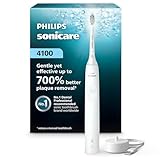
1. Philips Sonicare 4100 Series Electric Toothbrush - Sonic Toothbrush with Advanced Sonic Technology, Pressure Sensor, Two Intensity Settings, Smartimer & Quadpacer, White, Model HX3681/23
Overview:
The Philips Sonicare 4100 Series is a premium electric toothbrush designed for effective oral care with gentle precision. Featuring advanced sonic technology and smart feedback systems, it targets plaque removal while prioritizing gum health for daily use.
What Makes It Stand Out:
Its standout feature is the pressure sensor that pulses when brushing too hard, preventing gum damage—a rarity in mid-range models. The Quadpacer divides brushing into 30-second intervals across four quadrants, ensuring even coverage, while the 700% superior plaque removal (vs. manual brushes) and stain-polishing C2 brush heads deliver clinically proven results. The EasyStart function gradually increases intensity for new users.
Value for Money:
Priced competitively, it outperforms cheaper alternatives with its sensor tech and ADA-backed efficacy. Though lacking multiple modes, the focus on core features justifies the cost versus basic models that omit gum protection and timed pacing.
Strengths and Weaknesses:
Strengths: Pressure sensor guards gums; Quadpacer optimizes brushing habits; long-lasting battery; brush head replacement reminders. Weaknesses: Only two intensity settings (less customizable than rivals); no travel case included; C2 heads require separate purchases after initial set.
Bottom Line:
Ideal for beginners seeking gum-safe, thorough cleaning. Its pressure sensor and timed guidance make it a reliable investment for long-term oral health, despite limited intensity options.
2. Aquasonic Black Series Ultra Whitening Toothbrush – ADA Accepted Electric Toothbrush- 8 Brush Heads & Travel Case – 40,000 VPM Electric Motor & Wireless Charging - 4 Modes w Smart Timer

Overview:
The Aquasonic Black Series packs high-end features into an ADA-approved electric toothbrush, emphasizing whitening and convenience. With industry-leading vibration power and comprehensive accessories, it targets users seeking salon-like results at home.
What Makes It Stand Out:
Boasting 40,000 vibrations per minute (VPM)—among the highest in its class—it combines whitening, gum care, and polishing modes with IPX7 waterproofing. The inclusion of eight DuPont brush heads (lasting ~2.5 years) and a hard-shell travel case is exceptional, while wireless charging eliminates USB hassles and supports four-week battery life.
Value for Money:
The bundle (brush, charger, heads, case) offers remarkable value, undercutting premium brands despite ADA validation. Though the motor’s intensity may overwhelm sensitive users, the cost-per-use over 2.5 years with included heads is unbeatable.
Strengths and Weaknesses:
Strengths: 40,000 VPM for deep stain removal; eight brush heads extend value; wireless charging; ADA seal ensures efficacy. Weaknesses: Overpowering for gum sensitivity; no pressure sensor; travel case lacks brush head storage flexibility.
Bottom Line:
A powerhouse for whitening enthusiasts willing to sacrifice gentle gum care for aggressive cleaning. The accessories bundle makes it a top budget-friendly choice for frequent travelers.
3. AJELU Sonic Electric Toothbrush for Adults, USB Rechargeable Sonic Toothbrush with 8 Brush Heads, Smart Timer, 5 Modes, 2-Hour Fast Charge Last 30 Days, Pink

Overview:
The AJELU Sonic Electric Toothbrush delivers versatile cleaning through customizable modes and rapid charging, targeting users who prioritize convenience and sensitivity-friendly options in a compact design.
What Makes It Stand Out:
Its hidden USB charging port prevents cable loss, while the 2-hour fast charge sustains 30 days of use—a standout for travel. Five specialized modes (including Massage and Milder for sensitivity) and W-wave brush heads cater to diverse oral needs, and the ergonomic grip ensures comfort during use.
Value for Money:
Priced affordably, it competes with mid-range models by including eight DuPont heads and fast charging. However, the 31,000 VPM motor lags behind premium rivals, making it best for budget-conscious buyers needing gentle care.
Strengths and Weaknesses:
Strengths: 2-hour fast charge; eight brush heads; five sensitivity-focused modes; hidden USB port. Weaknesses: Lower VPM than competitors; no pressure sensor; travel case not included; pink finish may not suit all.
Bottom Line:
Excellent for sensitive teeth and travelers needing quick recharging. Compromises on motor power but excels in user-friendly features for its price point.
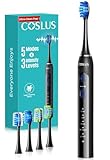
4. COSLUS Sonic Electric Toothbrush for Adults: 3 Intensities & 5 Modes Gum-Friendly for Deep Cleaning & Whitening - 2 Types of Heads for Family, Sensitive Teeth, Braces, Travel & Home Use, Black, 1PC
Overview:
The COSLUS C30 emphasizes durability and family adaptability with magnetic levitation motor technology, targeting households seeking a long-lasting, versatile brush for braces or sensitivity.
What Makes It Stand Out:
Its magnetic levitation motor promises 1,000+ hours of use—outlasting conventional motors—while two brush head types (soft/firm) accommodate diverse needs like braces or gum sensitivity. The 20% denser bristles and 3-month lifespan per head reduce replacement costs significantly.
Value for Money:
Though pricier upfront, the motor’s longevity and dual-head system offer superior cost efficiency versus brands flooding the market with disposable accessories. It’s a wise investment for families prioritizing sustainability over short-term savings.
Strengths and Weaknesses:
Strengths: Magnetic motor ensures durability; dual brush heads for family use; 10x stain removal; IPX7 waterproofing. Weaknesses: Only one travel-friendly head included; no wireless charging; lacks pressure sensor for over-brushers.
Bottom Line:
A durable, family-oriented solution for deep cleaning. Choose this if motor longevity and adaptable heads outweigh desires for smart sensors or travel convenience.
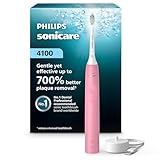
5. Philips Sonicare 4100 Series Electric Toothbrush - Sonic Toothbrush with Advanced Sonic Technology, Pressure Sensor, Two Intensity Settings, Smartimer & Quadpacer, Deep Pink, Model HX3681/26
Overview:
Identical in functionality to its white counterpart (Product 1), this Deep Pink Philips Sonicare 4100 Series merges clinical-grade cleaning with aesthetic appeal, retaining all core sonic technology for effective daily oral care.
What Makes It Stand Out:
The pressure sensor and Quadpacer remain its crown jewels, gently guiding proper technique while preventing gum damage. The C2 Optimal Plaque heads deliver 700% better plaque removal than manual brushes, and the color variant caters to style-conscious users without compromising performance.
Value for Money:
Priced identically to the white model, the color choice adds no extra cost but enhances personalization. It’s a smarter buy than single-mode alternatives, though the lack of travel accessories slightly reduces convenience value.
Strengths and Weaknesses:
Strengths: Pressure sensor ensures gum safety; Quadpacer promotes even cleaning; long battery life; brush head reminders. Weaknesses: Only two intensity levels; no travel case; color options don’t expand functionality.
Bottom Line:
A reliable, gum-protective choice for those valuing health over aesthetics—but the pink hue is purely cosmetic. Stick with this if guided brushing matters more than flashy extras.
6. Philips Sonicare 1100 Series Electric Toothbrush - Sonic Toothbrush with Advanced Sonic Technology, EasyStart, Smartimer & Quadpacer, White, Model HX3641/02

Overview:
The Philips Sonicare 1100 Series is an entry-level sonic electric toothbrush designed for users seeking effective plaque removal without advanced features. It leverages Philips’ trusted sonic technology and includes essential tools like a 2-minute timer and quadrant pacing to encourage thorough brushing habits.
What Makes It Stand Out:
Its standout features are the clinically proven Advanced Sonic Technology—which pulses fluid between teeth and along gums—and the gentle EasyStart function that gradually increases power over 14 brushes, ideal for beginners. The Quadpacer ensures even coverage by signaling every 30 seconds, while the C1 brush head’s flexible bristles protect gums while removing more plaque than manual brushes.
Value for Money:
Priced mid-range, it offers excellent value as a reliable daily workhorse. Though lacking a pressure sensor or multiple modes, it delivers core sonic benefits at a lower cost than premium models. Compared to budget alternatives, Philips’ dental-professional endorsement and proven efficacy justify the investment for consistent oral health maintenance.
Strengths and Weaknesses:
Strengths: Gentle on gums, effective plaque removal, 14-day battery life, intuitive timing aids, and globally recommended brand reliability. Weaknesses: Limited to one intensity setting, no pressure sensor to prevent over-brushing, and shorter battery life than some competitors. The basic functionality may disappoint users seeking customization.
Bottom Line:
A superb starter sonic toothbrush for adults prioritizing simplicity and proven results. It’s ideal for budget-conscious buyers wanting reliable, dentist-backed performance without frills, though heavy pressure users should consider models with sensors.
7. 7MAGIC Sonic Electric Toothbrush for Adults and Kids - Up to 180 Days Runtime, 42000 VPM Powered Toothbrush, 5 Modes & 3 Intensities for Sensitive Teeth & Braces, Includes 8 Brush Heads, Black

Overview:
The 7MAGIC Sonic Electric Toothbrush targets families and travelers with its exceptional battery life and comprehensive kit. It combines high-speed sonic cleaning (42,000 VPM) with extensive customization for all ages and sensitivity levels, including braces wearers.
What Makes It Stand Out:
Its jaw-dropping 180-day battery life—powered by a 2000mAh cell—and inclusion of eight brush heads (covering two years of use) set it apart. Five specialized modes (Clean, Sensitive, Whitening, Gum Care, Deep Clean) paired with three intensity levels allow tailored routines, while the dentist-co-developed W-shaped bristles target hard-to-reach areas effectively.
Value for Money:
Exceptional value, especially for multi-user households. The bundled brush heads eliminate near-term replacement costs, and the ultra-long battery reduces charging hassle during travel. While vibration consistency at peak claims may vary, the feature density and included accessories far exceed its price point versus single-head competitors.
Strengths and Weaknesses:
Strengths: Unmatched battery life, versatile modes/intensities, generous brush head supply, travel-friendly design, and strong plaque removal (10x manual brushes). Weaknesses: Build quality feels less premium than Philips, no pressure sensor, and the “180-day” claim assumes minimal daily use—real-world results may vary.
Bottom Line:
A top choice for families or frequent travelers needing low-maintenance, adaptable cleaning. Its value-driven bundle and extended runtime make it a practical standout, though durability concerns warrant cautious long-term expectations.
8. Philips Sonicare 4100 Series Electric Toothbrush - Sonic Toothbrush with Advanced Sonic Technology, Pressure Sensor, Two Intensity Settings, Smartimer & Quadpacer, Black, Model HX3681/24

Overview:
The Philips Sonicare 4100 Series elevates basic sonic cleaning with intelligent safeguards, targeting users concerned about gum sensitivity or brushing technique. It builds on Philips’ core technology with added protection features for a healthier routine.
What Makes It Stand Out:
The pressure sensor is its defining innovation—gently pulsing to alert excessive force, preventing gum recession. Paired with two intensity settings and the C2 Optimal Plaque brush head (700% better plaque removal vs. manual), it balances power and care. The brush head replacement reminder also ensures optimal hygiene.
Value for Money:
Worth the slight premium over the 1100 Series for users prone to aggressive brushing. The pressure sensor adds significant long-term gum health value that cheaper models lack. While not as feature-rich as high-end Sonicare lines, it strikes a smart balance between affordability and essential protective tech.
Strengths and Weaknesses:
Strengths: Pressure sensor prevents over-brushing, effective plaque/stain removal, intuitive timing aids, reliable 14-day battery, and brush head tracker. Weaknesses: Only two intensity levels (no memory), no app connectivity, and slightly shorter battery life than budget rivals. The C2 head’s stain focus may irritate extreme sensitivity.
Bottom Line:
Highly recommended for gum health awareness or sensitive users needing technique correction. Its pressure sensor justifies the cost over basic models, making it a prudent upgrade for mindful oral care.
9. MCUDKIK Rotating Electric Toothbrush for Adults, 8 Brush Heads (2 Types) & Travel Case, 5 Cleaning Modes Rechargeable Power Toothbrush with 2-Minute Smart Timer, Black

Overview:
The MCUDKIK Rotating Electric Toothbrush offers a unique rotating-clean action alongside comprehensive accessories, targeting users wanting deep plaque removal without sonic vibration. Its travel-ready design suits on-the-go lifestyles.
What Makes It Stand Out:
Unlike sonic competitors, its rotating head claims 125% more plaque removal than manual brushes by reaching tight spots. The eight included brush heads (6 standard, 2 sensitive) and portable travel case cater to multi-user households, while five precision modes (including whitening and gum care) address diverse needs like tobacco stains.
Value for Money:
Outstanding value for families, with enough brush heads for two years of use. The rotating mechanism provides intensive cleaning at a competitive price, though sonic purists may prefer fluid pulsation. Note: Requires a separate USB adapter (not included), slightly diminishing convenience.
Strengths and Weaknesses:
Strengths: Effective rotating action, generous brush head supply, versatile modes, IPX7 waterproofing, and travel-friendly kit. Weaknesses: Rotation may irritate sensitive gums, no pressure sensor, and shorter battery life (unspecified beyond “long”). The motor noise is louder than sonic alternatives.
Bottom Line:
Ideal for plaque-prone users or families prioritizing deep cleaning and travel readiness. While rotation isn’t for everyone, its robust bundle and targeted modes deliver solid performance for the price.
Understanding Why Electric Makes a Difference for Beginners
The Science Behind Superior Plaque Removal
Manual brushing relies entirely on your technique and consistency, which even dentists admit most people struggle with. Electric toothbrushes generate thousands of precise movements per minute – oscillations or sonic vibrations – that significantly outperform manual efforts in dislodging plaque, especially along the gumline and between teeth. This isn’t just marketing; clinical studies consistently show electric brushes reduce gingivitis and plaque buildup more effectively. For a first-time user, this translates to noticeably cleaner-feeling teeth and healthier gums with less effort, building positive reinforcement for the habit.
Building Consistent Habits with Built-In Guidance
One of the biggest hurdles for new users is maintaining proper brushing technique and duration. Budget-friendly electric models often include essential behavioral aids. Timers (usually quadrant timers dividing the mouth into 30-second segments) ensure you brush the full recommended two minutes. Some even feature pressure sensors that gently pulse or light up if you’re brushing too hard – a common mistake that can damage gums, especially for beginners still adjusting to the sensation. These features act as a built-in coach, helping you develop excellent habits from day one.
Overcoming Common Manual Brushing Challenges
Many people unknowingly use a sawing motion or skip hard-to-reach areas with manual brushes. The consistent, high-frequency motion of an electric brush does the heavy lifting, reaching crevices your hand might miss. This is particularly beneficial if you have braces, crowns, or dexterity issues. For first-time buyers, the electric brush compensates for imperfect technique, providing a more thorough clean even if your manual skills weren’t previously stellar, leading to faster, tangible results in oral health.
Essential Features to Prioritize Under $40
Core Cleaning Technology: Oscillation vs. Sonic
This is the fundamental choice. Oscillating-rotating brushes (the classic round head that spins and pivots) offer deep mechanical scrubbing action proven effective in decades of research. Sonic brushes use high-frequency vibrations (often 30,000+ strokes per minute) that create fluid dynamics to disrupt plaque beyond the bristle tips. Both are highly effective within the budget range; the “best” type is largely personal preference. Oscillating often feels more physically scrubbing, while sonic feels like a vigorous tingling. Try to determine which sensation you might prefer based on descriptions, as this impacts long-term use.
The Critical Importance of Brush Head Design and Availability
The brush head is where the cleaning magic happens, and its design and ongoing cost are crucial. Look for models using heads with multi-level or angled bristles that better contour to teeth. Crucially, verify that replacement heads are readily available and reasonably priced (typically $5-$10 per pack). Some ultra-budget models use proprietary heads that become expensive or hard to find later, negating the initial savings. Ensure replacements are stocked by major retailers before committing.
Battery Life and Charging Practicality
Don’t assume all budget brushes are equal here. Real-world battery life can vary wildly – from a week to over a month on a single charge. Consider your routine: do you travel often? How frequently can you realistically remember to charge it? USB charging (via any standard cable) is increasingly common even under $40 and offers immense convenience over proprietary docks. A model needing weekly charging might frustrate a traveler, while one lasting 30+ days suits infrequent travelers better. Check independent reviews for actual user-reported battery performance.
Evaluating True Value Beyond the Sticker Price
Assessing Build Quality and Longevity Expectations
A $25 brush shouldn’t feel flimsy. Examine descriptions and reviews for mentions of materials – a rubberized grip prevents slips, and a solid-feeling body suggests better internal components. While no budget brush will last decades like premium models, a well-made one should reliably function for 1-2 years with proper care. Pay attention to comments about motors failing prematurely or plastic cracking; these are red flags indicating poor value despite the low upfront cost.
The Hidden Cost of Replacement Heads
This is where budget choices can backfire. Calculate the annual cost: if replacements cost $8 and last 3 months, that’s $32/year – potentially more than the brush itself! Compare the cost-per-head across compatible models. Some brands offer multi-packs significantly cheaper per head. Factor this into your total cost of ownership; a $35 brush with $5 heads is often a smarter buy long-term than a $25 brush with $10 heads.
Warranty Coverage as a Quality Indicator
A solid warranty (typically 1-2 years for budget models) signals manufacturer confidence. A shorter warranty (e.g., 90 days) might indicate lower expected durability. While you hope not to need it, knowing you’re covered for motor failure or major defects within the first year provides peace of mind and protects your investment. Always check the specific warranty terms before purchasing.
Features Tailored for First-Time Users and Specific Needs
Gentle Modes for Sensitive Teeth and Gums
If you experience sensitivity, a dedicated “Sensitive” or “Gentle” mode is non-negotiable. These modes significantly reduce the intensity of the vibrations or oscillations, making the transition from manual much more comfortable and preventing gum irritation. Many budget models now include this essential mode alongside a standard “Daily Clean” setting. Avoid brushes offering only one high-power mode if sensitivity is a concern.
Ergonomic Design for Comfort and Control
The handle shouldn’t feel awkward or slippery, especially when wet. Look for descriptions mentioning an ergonomic shape, textured grip zones, or a comfortable weight balance. A bulky handle might be hard to maneuver in a small mouth, while an ultra-thin one might lack stability. Since you’ll use this twice daily, comfort is paramount for consistent use. Read user comments specifically about the handle feel.
Travel Considerations on a Budget
Frequent travelers need solutions. While dedicated travel cases are rare under $40, some models include simple snap-on covers for the brush head. More importantly, consider charging: a USB-rechargeable model is vastly superior for travel, as you can use your phone charger or power bank. Avoid models requiring a specific, bulky charging dock if you travel often. Also, check if the brush turns on accidentally in luggage (some have a lock feature).
Mastering Your New Brush: Usage and Maintenance Tips
Proper Brushing Technique Still Matters
An electric brush isn’t a magic wand. You still need to guide it slowly along all tooth surfaces (front, back, chewing), holding it at a 45-degree angle to the gums, letting the brush do the work. Don’t scrub! Apply very light pressure – the pressure sensor (if present) is your guide. Rushing or using excessive force reduces effectiveness and can harm gums. Spend those full two minutes, moving deliberately.
Effective Brush Head Replacement Schedule
Dentists universally recommend replacing brush heads every 3 months, or sooner if bristles fray. Worn bristles are less effective and can harbor bacteria. Mark your calendar! Using a head beyond its lifespan drastically reduces cleaning power, negating the benefits of your electric brush. Factor this schedule into your replacement head purchasing.
Cleaning and Storing Your Handle Correctly
After each use, rinse the brush head thoroughly under running water and shake off excess. Store the handle upright in a well-ventilated area (not a closed cabinet) to allow it to dry completely – moisture breeds bacteria. Occasionally wipe the handle body with a damp cloth; avoid submerging the handle (unless specified as waterproof) or using harsh chemicals. Proper storage extends the life of your investment.
Avoiding Common First-Time Buyer Pitfalls
Ignoring the Pressure Sensor Feature
Brushing too hard is incredibly common and damaging. A pressure sensor that visibly pulses or changes color when you press too hard is a small feature with massive long-term benefits for gum health. While not universal under $40, it’s increasingly common in this segment. Prioritize models that include it – your gums will thank you years down the line.
Falling for Excessive “Modes” as a Value Indicator
More modes (like “Whitening,” “Deep Clean,” “Tongue Care”) aren’t inherently better, especially under $40. Often, these are just minor speed variations of the main cleaning mode. Focus on having at least one reliable daily clean mode and a sensitive mode if needed. Five modes on a cheap motor might mean less reliable performance overall compared to a well-tuned two-mode brush. Simplicity can equal reliability here.
Underestimating the Importance of User Reviews
Don’t just read the product description. Scour recent user reviews (filter for the last 6-12 months) focusing on comments about long-term durability, battery life consistency, noise level, and whether the brush feels flimsy. Look for patterns – if multiple users mention the motor failing at 6 months, take note. Real-world experience is the best predictor of value in the budget segment.
Frequently Asked Questions
Frequently Asked Questions
What’s the biggest advantage of an electric toothbrush for a beginner compared to manual? The consistent, high-frequency motion removes significantly more plaque, especially along the gumline, with less reliance on perfect technique, leading to healthier gums and a cleaner feeling faster.
Do I really need a pressure sensor on a budget model? While not mandatory, it’s highly recommended. It actively prevents you from brushing too hard, a common beginner mistake that damages gums, helping you develop safe habits from the start.
How often do I absolutely need to replace the brush head? Every 3 months is the standard dental recommendation, or immediately if the bristles become visibly splayed or frayed. Using worn heads drastically reduces cleaning effectiveness.
Are sonic or oscillating brushes better for sensitive teeth? Both types can be suitable. The key is finding a model that offers a dedicated “Sensitive” or “Gentle” mode, which significantly reduces the intensity regardless of the core technology.
Why is USB charging important in a budget toothbrush? USB charging (using any standard cable) offers immense convenience, especially for travel, as you can charge from laptops, power banks, or phone chargers, eliminating the need for a proprietary dock.
How long should a $20-$40 electric toothbrush realistically last? With proper care (regular head changes, correct storage), a well-made budget model should reliably function for 1-2 years. Check warranty coverage and user reviews for longevity clues.
Are extra brush head costs a major factor under $40? Absolutely. Calculate the annual cost (e.g., $8 per head x 4 replacements = $32/year). A slightly higher initial brush price with cheaper heads often saves money long-term.
Can I use any generic replacement heads to save money? Generally, no. Heads are usually brand-specific due to attachment mechanisms. Using incompatible heads can damage the brush handle and provide poor cleaning. Stick to manufacturer-approved replacements.
What should I do if my new electric brush feels uncomfortable? Start with the sensitive mode if available. Ensure you’re applying very light pressure – let the brush do the work. If discomfort persists beyond a week of gentle use, the specific motion type might not suit you; consider trying the other technology (sonic vs. oscillating).
Is a 2-minute timer essential for a first-time buyer? Yes, it’s a fundamental feature. Most budget models include it. It ensures you brush for the full dentist-recommended duration, dividing the time into manageable 30-second segments for each mouth quadrant.