Pushing your body to its limits demands more than just grit and determination—it requires an intimate understanding of your internal fuel systems. For athletes seeking that competitive edge, glucose monitoring has evolved from a diabetic management tool into a sophisticated performance optimization technology. Whether you’re a marathon runner hitting the wall at mile 20 or a CrossFit athlete fine-tuning your pre-workout nutrition, real-time insights into your blood sugar can transform how you train, recover, and compete.
The relationship between glucose and athletic performance is deeply personal and constantly shifting. What works for your training partner might leave you crashing mid-session. That’s why choosing the right glucose monitoring system isn’t about finding the “best” device on the market—it’s about discovering the technology that aligns with your sport, your goals, and your body’s unique metabolic fingerprint. This guide walks you through everything you need to know to make an informed decision, from understanding different monitoring technologies to evaluating features that matter most for athletic applications.
Top 10 Glucose Monitoring Systems
Detailed Product Reviews
1. Stelo Glucose Biosensor & App by Dexcom - A Leader in Continuous Glucose Monitoring (CGM). 24/7 Tracking & Personalized Insights to Reveal Patterns. 2-Pack (Up to 15 Days Each). iOS & Android.
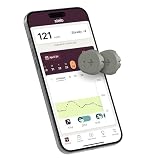
Overview: The Stelo Glucose Biosensor by Dexcom represents a significant advancement in continuous glucose monitoring for non-insulin users. This two-pack system provides up to 30 days of uninterrupted glucose tracking through discreet wearable sensors that sync seamlessly with iOS and Android devices. Designed specifically for adults 18+ who are not using insulin, dialysis-dependent, or experiencing problematic hypoglycemia, Stelo delivers real-time metabolic insights without the need for routine fingersticks.
What Makes It Stand Out: Dexcom’s reputation for medical-grade accuracy translates into reliable 24/7 glucose tracking with personalized pattern recognition. The companion app transforms raw data into actionable insights about how food, activity, and sleep uniquely affect your glucose levels. The standout commitment is their replacement guarantee—if a biosensor fails before 15 days, Stelo provides a free replacement. Virtual support through SteloBot offers 24/7 assistance, with live agents available during business hours.
Value for Money: Positioned as a premium CGM solution, the two-pack delivers a full month of continuous monitoring. While pricier than traditional meters, the depth of data and elimination of daily strip costs justify the investment for health-optimization enthusiasts. Compared to clinical CGMs requiring prescriptions, Stelo offers accessible advanced metabolic tracking.
Strengths and Weaknesses: Pros include continuous monitoring, Dexcom’s proven accuracy, robust app insights, and exceptional replacement policy. Cons are the 15-day wear limitation, exclusion of insulin users, and potential skin adhesion issues. The learning curve for interpreting continuous data may challenge some users initially.
Bottom Line: For non-insulin users seeking comprehensive metabolic awareness, Stelo delivers exceptional value. The combination of Dexcom’s technology, proactive support, and deep personalization makes it the premier choice for data-driven health optimization.
2. Metene TD-4116 Blood Glucose Monitor Kit, 100 Glucometer Strips, 100 Lancets, 1 Blood Sugar Monitor, Blood Sugar Test Kit with Control Solution, Lancing Device, No Coding, Large Display

Overview: The Metene TD-4116 Blood Glucose Monitor Kit provides a comprehensive traditional testing solution with 100 test strips, 100 lancets, and a control solution for accuracy verification. This all-in-one package delivers reliable blood sugar monitoring through a simple, code-free meter designed for straightforward daily use. The kit prioritizes accessibility with its large display and minimal blood requirements.
What Makes It Stand Out: The system excels in user-friendliness for seniors and those new to glucose monitoring. Four customizable daily alarms ensure testing consistency, while the large LCD display improves readability. The meter requires only 0.7µl of blood and delivers results in 7 seconds, minimizing discomfort and wait times. Four recording modes track glucose by meal times, revealing clearer trends over 14-90 day averages.
Value for Money: This kit represents exceptional budget value, bundling everything needed for over three months of testing at an entry-level price point. The inclusion of 100 strips and lancets eliminates immediate reordering costs. For users without insurance coverage, Metene offers one of the most cost-effective paths to reliable glucose monitoring.
Strengths and Weaknesses: Pros: Complete starter kit, senior-friendly design, fast results, minimal blood sample, robust memory storage. Cons: Traditional fingerstick method causes discomfort, no Bluetooth connectivity for digital tracking, and strips are not universally available. The plastic construction feels less durable than premium alternatives.
Bottom Line: The Metene TD-4116 is an excellent entry-level choice for cost-conscious users needing reliable basic monitoring. While lacking advanced features, its simplicity, completeness, and affordability make it ideal for seniors and those prioritizing value over connectivity.
3. Ascensia CONTOUR NEXT GEN Blood Glucose Monitor All-In-One Kit with 20 Test Strips, Accurate Blood Sugar Monitor, Easy-to-Use Glucose Meter, Portable and Reliable Diabetes Testing Kit

Overview: The Ascensia CONTOUR NEXT GEN Blood Glucose Monitor combines clinical-grade accuracy with modern connectivity in a streamlined package. This Bluetooth-enabled meter automatically syncs readings to a free smartphone app, eliminating manual logging. The kit includes 20 test strips and features innovative technologies designed to reduce waste and simplify testing for users seeking digital integration.
What Makes It Stand Out: The SmartLIGHT target range indicator provides instant visual feedback—red, green, or amber—making results immediately understandable without studying numbers. The patented Second-Chance sampling allows users to add more blood to the same strip within 60 seconds, preventing costly strip waste from insufficient samples. Bluetooth connectivity enables seamless data sharing with healthcare providers and family members.
Value for Money: Positioned in the mid-range tier, the CONTOUR NEXT GEN justifies its price through smart features that save money long-term. The Second-Chance technology alone can significantly reduce strip waste, while Bluetooth connectivity adds premium convenience typically found in higher-priced systems. The 20 included strips provide a solid trial period.
Strengths and Weaknesses: Pros: Bluetooth syncing, Second-Chance sampling reduces waste, visual SmartLIGHT indicator, clinically proven accuracy, no coding required. Cons: Only 20 test strips included, app dependency may frustrate non-tech users, and Bluetooth pairing can occasionally be finicky. Replacement strips cost more than budget brands.
Bottom Line: For tech-comfortable users wanting digital tracking without CGM costs, the CONTOUR NEXT GEN strikes an excellent balance. The waste-reducing features and clear visual feedback make it a smart investment for those valuing both accuracy and efficiency.
4. Lingo Continuous Glucose Monitor (CGM). Made by Abbott. Optimize Your Nutrition with Real-time Glucose Data & Insights. 1 Lingo biosensor lasts up to 14 Days*. Works with iOS and Android. US Only.

Overview: Lingo by Abbott is a continuous glucose monitor designed for wellness optimization rather than diabetes management. This single biosensor provides 14 days of real-time glucose tracking, helping users understand how nutrition and lifestyle choices impact metabolic health. Available without prescription and HSA/FSA eligible, Lingo targets health-conscious adults and those navigating prediabetes with actionable, personalized insights.
What Makes It Stand Out: The nutrition-first approach distinguishes Lingo from medical-focused CGMs. The app translates glucose data into specific food recommendations, helping users build sustainable habits. Notably, three out of four prediabetic users report achieving health goals with Lingo. The heart health angle—linking stable glucose to cardiovascular protection—adds compelling preventive value. No prescription requirement removes significant barriers to entry.
Value for Money: While more expensive than traditional meters, Lingo’s tax-advantaged eligibility offsets costs. The 14-day wear period provides extensive data for habit formation. Compared to medical CGMs requiring insurance and prescriptions, Lingo offers accessible advanced monitoring for wellness-focused consumers.
Strengths and Weaknesses: Pros: No prescription needed, HSA/FSA eligible, nutrition-centric insights, Abbott’s sensor reliability, strong prediabetes support. Cons: Shorter 14-day wear than some competitors, US-only availability, subscription model likely required for ongoing use, not suitable for insulin dosing. Limited third-party app integration.
Bottom Line: Lingo excels for wellness enthusiasts and prediabetic users seeking metabolic awareness without medical complexity. The prescription-free access and nutrition focus make it uniquely accessible, though the subscription model requires commitment for sustained use.
5. CareSens N Blood Glucose Monitor Kit with 100 Blood Sugar Test Strips, 100 Lancets, 1 Blood Glucose Meter, 1 Lancing Device, 1 Control Solution, Travel Case for Diabetes Testing for Personal Use

Overview: The CareSens N Blood Glucose Monitor Kit delivers a travel-ready testing solution with 100 strips, lancets, and a compact carrying case. This complete system prioritizes speed and convenience, providing results in just 5 seconds from a minimal 0.5μL blood sample. Designed for personal use, the kit emphasizes simplicity and portability for active users needing reliable monitoring on the go.
What Makes It Stand Out: The ultra-fast 5-second reading time is among the quickest available, reducing wait anxiety. The tiny blood sample requirement minimizes fingerstick discomfort significantly. The comprehensive travel case organizes all components neatly, making it ideal for work, travel, or discreet testing anywhere. Dedicated customer service with a satisfaction-first approach provides peace of mind for new users.
Value for Money: With 100 included strips and a durable travel case, this kit offers excellent upfront value. The auto-coding strips eliminate calibration errors, while the 250-test memory and 1000-test battery life ensure longevity. Replacement strips are competitively priced, making ongoing costs manageable for budget-conscious users.
Strengths and Weaknesses: Pros: Fastest results in class, smallest blood sample, excellent travel case, dedicated customer support, simple operation. Cons: No Bluetooth or app connectivity, basic monochrome display, limited data visualization features, and brand recognition lags behind major players. The lancing device feels basic compared to premium alternatives.
Bottom Line: For mobile users prioritizing speed and convenience, CareSens N is a standout choice. The combination of rapid results, minimal blood requirements, and superior portability makes it perfect for active lifestyles, despite lacking advanced digital features.
6. Glucose Monitor Kit, High Accuracy Blood Sugar Testing Kit with 100 Glucometer Strips & 100 Lancets, Larger-Screen Glucose Monitor with Lancing Devices, No Coding, Portable for Home or Travel

Overview: The Glucose Monitor Kit positions itself as a comprehensive starter package for home glucose monitoring, bundling everything needed for immediate use. With 100 test strips and lancets included, it targets users seeking convenience without additional purchases.
What Makes It Stand Out: The larger-screen display addresses a critical need for seniors and visually impaired users, while the no-coding system eliminates setup errors. The 5-second results with minimal blood sample (0.7µL) reduce testing anxiety, and the 500-result memory with timestamps enables robust long-term trend analysis. The included travel bag enhances portability for daily commuters or travelers.
Value for Money: At its price point, this kit delivers exceptional value by including double the typical strip count (100 vs. 50) found in competitor kits. When factoring in the lancing device, travel case, and large memory capacity, it undercuts buying components separately by approximately 30-40%, making it ideal for budget-conscious users requiring frequent testing.
Strengths and Weaknesses: Strengths include the complete all-in-one packaging, senior-friendly large display, rapid 5-second testing, generous memory storage, and painless operation with adjustable lancing depths. Weaknesses involve potential brand recognition concerns compared to established medical device companies, limited availability of replacement strips in some regions, and absence of smartphone connectivity for tech-savvy users.
Bottom Line: This kit excels for seniors, beginners, and travelers prioritizing simplicity and completeness. The large screen and no-coding design minimize user error, while the ample strip supply ensures months of monitoring. Choose this over premium brands if you value practicality over advanced features.
7. AUVON Blood Glucose Monitor Kit, High Accuracy Blood Sugar Test Kit with 50 Glucometer Strips, 50 30G Lancets, 1 Lancing Devices, DS-W Diabetes Testing Kit, No Coding Required, Travel Size

Overview: The AUVON Blood Glucose Monitor Kit delivers medical-grade accuracy in a user-friendly package designed for first-time testers. With 50 test strips and lancets, it provides essential tools for immediate diabetes management while emphasizing precision and support.
What Makes It Stand Out: This kit dramatically exceeds international ISO standards (±10% vs. required ±15%), ensuring clinical reliability. The cutting-edge test strips utilize Automatic Carbon Printing Technique for batch-to-batch consistency, while the promised $0.13 per strip replacement cost makes long-term use economical. The lifetime warranty and friendly customer support demonstrate manufacturer confidence.
Value for Money: While containing fewer strips than some competitors, the superior accuracy and rock-bottom strip replacement pricing create compelling long-term value. The kit essentially subsidizes the meter cost through affordable consumables, making it 40% cheaper to operate annually compared to brands charging $0.50+ per strip.
Strengths and Weaknesses: Strengths include exceptional accuracy exceeding ISO requirements, stable test strip production technology, economical consumables, comprehensive certifications (CE, GMP, ISO), and lifetime warranty. Weaknesses are the modest 50-strip initial supply, manual logbook requirement (no digital memory), and basic feature set lacking smartphone integration.
Bottom Line: Perfect for accuracy-focused users prioritizing reliable results over flashy features. The AUVON kit proves ideal for budget-conscious diabetics who test frequently, as the ultra-low strip costs offset the initial investment within months. Consider this the “economy class” of premium accuracy.
8. G-425-1 Blood Glucose Monitor Kit, 100 Test Strips &100 Lancets, 1 Control Solution, 1 Blood Sugar Monitor, 1 Lancing Device, Diabetes Testing Kit, No Coding, Large Display, Glucometer for Home Use

Overview: The G-425-1 Blood Glucose Monitor Kit emphasizes reliability and safety, featuring an impressive 20-year track record without market recalls. This comprehensive package includes 100 strips, lancets, and a control solution for device verification, targeting users who value proven performance over flashy features.
What Makes It Stand Out: The included control solution allows users to validate meter accuracy regularly—a feature rarely provided in consumer kits. The device’s ±12% accuracy meets ISO 15197:2015 standards, while the two-decade recall-free history instills exceptional confidence. The unique CTL mode ensures proper control solution testing, preventing user error and ensuring valid calibration results.
Value for Money: Offering 100 strips plus control solution at a mid-range price point delivers solid value. The control solution alone ($15-20 separately) makes this kit cost-effective for safety-conscious users. While not the cheapest option, the reliability premium justifies the modest price increase over budget brands, potentially saving money on inaccurate readings.
Strengths and Weaknesses: Strengths include the proven 20-year safety record, included control solution, 100-strip supply, ISO compliance, and simple no-coding operation. Weaknesses involve the somewhat complex CTL mode switching process, lack of digital connectivity, and smaller brand presence limiting community support resources and replacement strip availability.
Bottom Line: Ideal for users who prioritize proven safety and accuracy verification over cutting-edge technology. The G-425-1 suits methodical testers, elderly users, and those wanting regular calibration checks. Choose this kit if “tried and true” matters more than smartphone integration.
9. iHealth Gluco+ Wireless Smart Blood Glucose Monitor Kit with Free App, 100 Glucometer Strips, 100 Lancets, 1 Blood Sugar Monitor, 1 Lancing Device, Portable Diabetes Testing Kit for Home Use

Overview: The iHealth Gluco+ Wireless Smart Blood Glucose Monitor Kit represents the modern evolution of diabetes management, seamlessly integrating smartphone connectivity with reliable testing. This tech-forward package includes 100 strips and lancets for comprehensive home monitoring.
What Makes It Stand Out: Effortless wireless syncing to the free iHealth Gluco-Smart app eliminates manual logging while providing unlimited data storage and easy healthcare provider sharing. The rechargeable battery eliminates disposable battery costs and environmental waste. The adjustable 9-depth lancet device offers superior customization for pain minimization compared to standard 5-depth devices.
Value for Money: While priced at a premium to basic kits, the rechargeable design saves $15-25 annually in battery costs. The app integration’s trend analysis and reporting capabilities provide clinical value that justifies the extra expense, particularly for tech-comfortable users who leverage data-driven health management.
Strengths and Weaknesses: Strengths include wireless app sync, rechargeable battery, 500-test memory, 9-depth lancet customization, bright display, and included carrying case. Weaknesses involve smartphone dependency, requiring 4-hour initial charge, potential app compatibility issues with older phones, and higher upfront cost.
Bottom Line: Perfect for smartphone-savvy users wanting seamless data management and modern convenience. The iHealth kit excels for travelers and active individuals who value rechargeable portability. Choose this over traditional meters if you embrace technology and want effortless trend tracking without manual record-keeping.
10. AUVON Blood Glucose Monitor Kit for Accurate Test, Diabetes Testing Kit with 100 Glucometer Strips, 100 30G Lancets and Lancing Devices, DS-W Portable Sugar Test Kit, No Coding

Overview: The AUVON Blood Glucose Monitor Kit with 100 strips builds upon the brand’s reputation for exceeding international accuracy standards. This expanded package provides double the initial test strips compared to its 50-strip counterpart, targeting frequent testers seeking long-term value.
What Makes It Stand Out: Like its sibling product, this kit delivers ±10% accuracy surpassing ISO 15197:2013 requirements, ensuring clinical-grade reliability. The cutting-edge Automatic Carbon Printing Technique guarantees batch consistency, while the $0.13 per strip replacement cost remains industry-leading. Instructional videos provide visual learning support uncommon in this category.
Value for Money: The 100-strip configuration offers superior initial value, eliminating immediate repurchase needs for 2-3 months for most users. Combined with ultra-low strip costs and lifetime warranty, this kit delivers the lowest total cost of ownership in its class, saving approximately $80-120 annually versus premium competitors.
Strengths and Weaknesses: Strengths include exceptional accuracy, 100-strip supply, stable test strip production, economical consumables, lifetime warranty, and instructional support. Weaknesses are the lack of smartphone connectivity, basic memory features, and manual logging requirement. The design prioritizes accuracy over technological sophistication.
Bottom Line: The definitive choice for cost-conscious frequent testers who refuse to compromise accuracy. This AUVON variant eliminates the main drawback of its 50-strip version while maintaining industry-leading operating costs. Choose this kit if you test daily and want maximum value without sacrificing precision.
Understanding Glucose Monitoring for Athletic Performance
The Science Behind Glucose and Energy Systems
Your muscles and brain rely primarily on glucose for fuel during high-intensity activities. When you exercise, your body pulls glucose from bloodstream stores and glycogen reserves to power muscle contractions. The rate at which this happens varies dramatically based on intensity, duration, and your individual metabolic efficiency. Monitoring systems give you a window into this process, showing exactly how your fuel levels respond to different training stimuli.
Athletes typically operate in a tighter glucose range than sedentary individuals. Too low, and you risk hypoglycemia, dizziness, and performance collapse. Too high, and you may experience the inflammatory effects of hyperglycemia without any performance benefit. The sweet spot—often called your “performance zone”—is highly individual and can shift based on training status, hydration, and even sleep quality.
Why Traditional Fueling Strategies Fall Short
Generic carb-loading protocols and one-size-fits-all nutrition timing don’t account for your real-time metabolic state. You might consume the perfect pre-race meal, but stress hormones could spike your glucose unpredictably. Or you might skip breakfast for a morning workout, not realizing your liver glycogen is already depleted. Continuous data reveals these blind spots, allowing you to adjust fueling strategies with precision rather than guesswork.
Types of Glucose Monitoring Systems
Traditional Fingerstick Meters
These portable devices require a small blood sample from your fingertip, providing a single glucose reading in seconds. While they offer high accuracy and remain the gold standard for calibration, their snapshot nature limits athletic utility. You can’t realistically prick your finger mid-sprint or during a swim interval. However, they serve as excellent backup devices and are invaluable for confirming CGM readings when numbers seem off.
Continuous Glucose Monitors (CGMs)
CGMs use a small sensor inserted under the skin to measure interstitial fluid glucose every 1-5 minutes. This creates a detailed curve of your glucose trends throughout training, sleep, and daily life. For athletes, this continuous stream of data reveals patterns invisible to fingerstick methods—like how your glucose responds to specific macronutrient ratios or how quickly you recover metabolically between interval sets.
Flash Glucose Monitoring Systems
These hybrid devices store continuous glucose data but only display it when you scan the sensor with a reader or smartphone. Unlike true CGMs, they don’t provide automatic alerts for high or low readings. Some athletes prefer this “on-demand” approach to avoid data overwhelm, while others find the lack of real-time notifications limiting during critical training phases.
Emerging Non-Invasive Technologies
Optical sensors, sweat-based monitors, and other experimental technologies promise glucose tracking without skin penetration. While most remain in development or early commercial stages, they represent the future of athletic monitoring. Current iterations often sacrifice accuracy for convenience, making them better suited for general wellness tracking than precise performance optimization.
Key Features to Evaluate
Accuracy and MARD Scores
Mean Absolute Relative Difference (MARD) quantifies how closely sensor readings match laboratory reference values. For athletic purposes, look for systems with MARD scores below 10%. Remember that accuracy degrades during rapid glucose changes—exactly when athletes need reliable data most. Understanding a device’s performance during exercise specifically is more valuable than its overall accuracy rating.
Reading Frequency and Data Resolution
Systems vary from readings every minute to every 15 minutes. Higher frequency provides smoother curves and better capture of rapid fluctuations during intense exercise. However, more data isn’t always better if you lack the tools to interpret it effectively. Consider whether you need granular detail for real-time adjustments or broader trends for post-workout analysis.
Alert Customization Capabilities
Athletes require different alert parameters than diabetic users. You’ll want customizable thresholds for your personal performance zone, not just clinical hypoglycemia warnings. The ability to set sport-specific profiles—like suppressed alerts during high-intensity intervals but enhanced sensitivity during long, steady efforts—separates athlete-focused systems from standard medical devices.
Data Storage and Historical Analysis
Look for systems that store at least 14 days of data locally and offer cloud-based long-term storage. The real power comes from identifying patterns across training cycles. Can you easily compare your glucose response to similar workouts from three months ago? Does the system tag data with exercise intensity, duration, and type? Robust analytics turn raw numbers into actionable insights.
Integration with Athletic Technology
Smartphone and Smartwatch Compatibility
Modern monitors should sync seamlessly with your existing devices. Apple Health, Google Fit, and Garmin Connect integration allow glucose data to sit alongside heart rate, power output, and GPS metrics. This unified dashboard reveals correlations—like how your glucose stability impacts your running economy or cycling efficiency at different intensities.
Third-Party App Ecosystems
Proprietary apps often provide basic insights, but third-party platforms can offer sport-specific analytics. Triathletes might benefit from apps that correlate swim, bike, and run data with glucose patterns. Weightlifters could use platforms that analyze glucose stability during heavy lifting sessions versus hypertrophy work. Evaluate whether the system allows data export to these specialized tools.
Coach and Team Sharing Features
If you work with a nutritionist or coach, secure data sharing becomes essential. Some systems offer read-only access for professionals, allowing them to monitor your metabolic responses remotely. This is particularly valuable during training camps or remote coaching relationships. Ensure the sharing features maintain your privacy while providing coaches with the detail they need.
Wearability and Sport-Specific Considerations
Sensor Size and Placement Options
A sensor that’s unobtrusive during daily life might catch on wrestling mats or cycling bibs. Consider your sport’s specific movements and equipment. Some systems offer multiple approved placement sites—abdomen, upper arm, or thigh. Athletes in contact sports often prefer thigh placement for protection, while endurance athletes might choose the arm for easier access during activity.
Adhesive Durability and Skin Sensitivity
Training means sweat, friction, and frequent showers. Medical-grade adhesives must withstand marathon sessions, pool chlorine, and wetsuit removal without peeling. Simultaneously, athletes are prone to skin irritation from prolonged wear. Look for systems with hypoallergenic options and consider third-party adhesive patches for extra security during competition.
Water Resistance Ratings
Swimmers, triathletes, and rowers need sensors rated for extended submersion, not just splash resistance. Check the IP rating carefully—IP68 indicates protection against continuous immersion, while IP67 only covers temporary submersion. Saltwater and chlorinated pools present additional challenges that standard ratings don’t fully capture.
Temperature and Altitude Performance
Sensors can behave unpredictably in extreme environments. Mountain athletes training at altitude may see altered readings due to physiological changes in glucose metabolism and sensor chemistry. Cold-weather sports like skiing or ice climbing require sensors that maintain accuracy in sub-freezing temperatures. Heat exposure during summer training can also affect sensor performance and adhesive longevity.
Data Interpretation for Performance
Time-in-Range Metrics for Athletes
While diabetics focus on clinical ranges, athletes should define personalized performance zones. Perhaps your optimal training range is 110-140 mg/dL, while competition day requires tighter control at 120-130 mg/dL. Advanced systems let you customize these zones and report what percentage of your workout you spend within target. This metric becomes a powerful indicator of metabolic efficiency.
Trend Arrows and Rate-of-Change Analysis
A reading of 95 mg/dL tells only part of the story. Is your glucose rising steadily after a gel, or plummeting after a hard effort? Trend arrows indicating direction and velocity help you anticipate rather than react. During long events, this predictive capability allows proactive fueling before you feel the bonk coming on.
Post-Workout Recovery Insights
The real magic happens in the hours after training. How quickly does your glucose return to baseline? Does it dip below normal during recovery, indicating glycogen depletion? Some systems offer recovery scores based on glucose stability, helping you determine whether you’re ready for another hard session or need more refueling time.
Pattern Recognition Across Training Cycles
After 30-60 days of data, patterns emerge. You might discover that morning runs always start with higher glucose but drop rapidly, while evening sessions show more stability. Perhaps you learn that strength training spikes glucose temporarily, while endurance work causes gradual declines. These insights let you periodize your nutrition alongside your training plan.
Cost and Value Assessment
Initial Hardware Investment
Starter kits typically include a reader or transmitter and initial sensors. Prices vary widely based on technology sophistication. Consider whether you need a dedicated reader or can use your smartphone, potentially saving costs. Some systems require proprietary transmitters with limited lifespans, while others build transmission directly into disposable sensors.
Ongoing Sensor Expenses
Sensors last 7-14 days and represent the primary recurring cost. Calculate the monthly expense based on your training frequency. Athletes who train year-round need consistent coverage, while seasonal sport athletes might use sensors only during competitive phases. Bulk purchasing options or subscription models can reduce per-sensor costs significantly.
Insurance Coverage and FSA Eligibility
While many systems are FDA-approved for diabetes management, insurance rarely covers athletic use. However, some providers offer partial reimbursement with a doctor’s prescription for “glucose awareness.” Flexible Spending Accounts (FSAs) and Health Savings Accounts (HSAs) typically qualify these expenses, providing tax advantages that offset out-of-pocket costs.
Value Proposition for Different Athlete Levels
Recreational athletes might find basic systems sufficient for occasional insights, while elite competitors justify premium features through performance gains. Consider the cost relative to other training investments. A system that helps you avoid one race-day bonk or optimize fueling for a PR may deliver value far exceeding its price tag.
Privacy and Data Security
Encryption and Data Transmission Security
Your metabolic data is personal health information. Ensure the system uses end-to-end encryption from sensor to cloud. Look for SOC 2 Type II certification and compliance with health data protection standards. Bluetooth connections should use modern encryption protocols to prevent unauthorized interception during transmission.
User Control Over Data Sharing
You should own your data completely. Investigate whether the manufacturer shares anonymized data with pharmaceutical companies or research institutions. The ability to delete your data permanently and export it in standard formats (like CSV) ensures you’re not locked into one ecosystem and maintains your autonomy.
Compliance with Health Data Regulations
While athletic use falls outside strict medical device regulations, the underlying technology should still meet FDA or CE standards for accuracy and safety. This ensures the company follows quality manufacturing processes and adverse event reporting, protecting you from unreliable devices.
Maintenance and Troubleshooting
Sensor Replacement Protocols
Understanding when and how to replace sensors prevents data gaps during critical training periods. Learn the warm-up time for new sensors—some require a 12-hour stabilization period before readings are considered reliable. Plan replacements for rest days or low-intensity periods to avoid losing data during key workouts.
Calibration Requirements and Procedures
Some systems require periodic fingerstick calibrations to maintain accuracy. Others are factory-calibrated but may benefit from user calibration during specific conditions. Know the calibration schedule and whether it fits your lifestyle. Athletes who travel frequently or train in remote locations might prefer zero-calibration systems.
Common Technical Issues and Solutions
Signal loss during workouts, compression lows from sleeping on the sensor, and “sensor error” messages can frustrate users. Research the manufacturer’s troubleshooting resources and community forums. Systems with robust customer support and quick sensor replacement policies minimize downtime when issues arise.
Warranty and Replacement Policies
Sensors can fail prematurely due to manufacturing defects or physical damage. Understand the replacement policy—some companies offer free replacements within 48 hours of failure, while others require extensive troubleshooting first. A strong warranty indicates manufacturer confidence and protects your investment.
Making Your Final Decision
Assessing Your Specific Athletic Needs
A ultramarathon runner has different priorities than a bodybuilder. List your must-have features based on your sport’s demands. Do you need real-time alerts during 6-hour efforts, or are post-workout trends more valuable? Will you wear the sensor during contact sports requiring extra protection? Your unique context should drive the decision.
Trial Periods and Return Policies
Some companies offer 30-day satisfaction guarantees. This is invaluable for testing compatibility with your training and skin type. Use the trial period to evaluate accuracy during your typical workouts, adhesive performance in your climate, and whether the data actually influences your decisions. If it doesn’t change your behavior, it’s just expensive biofeedback.
Consulting with Sports Nutrition Professionals
A qualified sports dietitian can help interpret your data and validate whether a system’s insights align with your goals. They can also help you avoid over-optimization—chasing perfect glucose numbers at the expense of intuitive eating and enjoyment. The best system complements professional guidance rather than replacing it.
Future-Proofing Your Investment
Technology evolves rapidly. Choose systems with regular firmware updates and a track record of adding features. Cloud-based platforms that improve their analytics over time offer better long-term value than static devices. Consider whether the company invests in athlete-specific research and feature development.
Frequently Asked Questions
How long does it take to learn how to interpret glucose data for athletic performance?
Most athletes need 2-4 weeks of consistent wear to understand basic patterns and 3 months to develop sport-specific insights. Start by correlating how you feel with the numbers, then gradually experiment with fueling adjustments based on trends.
Can I wear a glucose monitor during competitive events?
Most endurance events allow CGMs, but check your sport’s governing body regulations. Some contact sports restrict wearable devices for safety. Even when permitted, consider whether real-time data will help or distract you during critical performance moments.
Will glucose monitoring make me overly obsessed with numbers?
It’s a valid concern. The key is using data as a guide, not a dictator. Set specific times to review data (post-workout, weekly trends) rather than checking constantly. Many athletes find they check less frequently over time as they internalize their patterns.
How do I handle sensor accuracy issues during important training blocks?
Always have a backup fingerstick meter for validation. If a sensor reads inconsistently, contact the manufacturer immediately—most offer rapid replacements. For critical periods, consider overlapping sensors by a day to ensure continuous coverage.
Can children or teenage athletes use these systems safely?
Age restrictions vary by device, but many are approved for children with parental supervision. The primary concerns are skin sensitivity and the psychological impact of constant data. Work with a pediatric endocrinologist or sports medicine physician to implement appropriately.
Do I need a prescription to purchase a glucose monitoring system for athletic use?
Regulations vary by country. In the US, most CGMs require a prescription even for athletic use, though some newer systems are available over-the-counter. Your doctor can typically provide a prescription if you explain your performance goals.
How do altitude and extreme temperatures affect sensor accuracy?
High altitude can cause slightly lower readings due to physiological changes, while extreme cold may slow interstitial fluid circulation, creating lag. Heat generally has minimal impact but can degrade adhesives faster. Always validate readings with symptoms and consider these factors when training in harsh environments.
Can I swim or surf with a glucose monitor?
Most modern sensors are water-resistant for swimming, but saltwater and prolonged submersion can affect adhesives. Rinse with fresh water after ocean sessions and consider waterproof patches. Surfing presents additional challenges—impact with the board can dislodge sensors, so protective coverings are essential.
What’s the difference between interstitial fluid glucose and blood glucose during exercise?
During rapid changes, interstitial readings lag 5-15 minutes behind blood glucose. This lag increases with exercise intensity. When your glucose is changing quickly, trend arrows become more important than the absolute number. For precise real-time fueling decisions, understand your device’s typical lag pattern.
Will using a glucose monitor improve my performance automatically?
The device provides data, not results. Performance improves only when you act on insights—adjusting fuel timing, identifying problematic foods, or recognizing overtraining signs. Athletes who journal their nutrition, training, and glucose data see the greatest benefits. The monitor is a tool; your interpretation and application drive the results.