Traveling opens up a world of experiences, but it can also throw your health routine into chaos. Between timezone changes, unfamiliar foods, increased stress, and disrupted sleep patterns, your cardiovascular system works overtime when you’re on the move. For the millions of people who monitor their blood pressure regularly, leaving home doesn’t mean leaving health awareness behind—especially when portable monitors have become sophisticated enough to slip into a carry-on without compromising accuracy.
The modern traveler needs reliable health tools that work as hard as they do, and portable blood pressure monitors have evolved from clunky medical devices to sleek, intelligent companions. Whether you’re a business traveler managing hypertension, an adventure seeker with a family history of heart issues, or simply someone who prioritizes preventive care, understanding what makes a monitor truly travel-ready will transform how you approach health on the road. This guide breaks down everything you need to know about selecting, using, and maintaining a portable blood pressure monitor that keeps pace with your wanderlust.
Top 10 Portable Blood Pressure Monitors

Detailed Product Reviews
1. iHealth Track Smart Upper Arm Blood Pressure Monitor with Wide Range Cuff That fits Standard to Large Adult Arms, Bluetooth Compatible for iOS & Android Devices

Overview: The iHealth Track Smart Upper Arm Blood Pressure Monitor brings clinical accuracy to home health monitoring with a user-friendly design. This Bluetooth-enabled device features a wide-range cuff accommodating arms from 8.7 to 16.5 inches, making it suitable for most adults. The large multi-color backlit display provides instant visual feedback on your readings through an intuitive green/yellow/red coding system.
What Makes It Stand Out: The standout feature is seamless smartphone integration via iHealth’s free app, which stores unlimited readings while the device itself holds 99 measurements. The automatic heart rhythm disturbance detection adds a crucial layer of cardiovascular monitoring beyond standard blood pressure. The two-button operation eliminates complexity, and the ESH 2010 certification ensures reliability without calibration requirements.
Value for Money: Positioned in the mid-range segment, this monitor justifies its price through smart connectivity and advanced features typically found in premium models. The inclusion of four AAA batteries, a wide-range cuff, and California-based customer service with a 12-month warranty enhances the overall package. Compared to basic monitors, the Bluetooth capability and app integration offer significant long-term value for users serious about tracking trends.
Strengths and Weaknesses: Strengths include the color-coded display for immediate interpretation, robust app connectivity, wide cuff range, and heart rhythm alerts. Weaknesses are the limited 99-reading on-device storage, reliance on batteries rather than rechargeable power, and the need for a relatively modern smartphone to access full features. The device requires iOS 12.0/Android 9.0 or later, potentially excluding older phones.
Bottom Line: Ideal for tech-comfortable users seeking comprehensive health tracking, the iHealth Track delivers clinical accuracy with modern convenience. While the on-device storage is modest, the unlimited app capacity makes it excellent for long-term monitoring and sharing data with healthcare providers.
2. Oklar Blood Pressure Monitors for Home Use Rechargeable Wrist Digital BP Machine Cuff with LED Backlit Display, Voice Broadcast, 240 Memory Storage for 2 Users with Carrying Case

Overview: The Oklar Wrist Blood Pressure Monitor offers a compact, rechargeable solution for on-the-go health tracking. This fully automatic device provides fast measurements in just 35 seconds and features a voice broadcast function that makes it accessible for users with visual impairments. The dual-user mode stores up to 240 readings total, making it suitable for couples monitoring their health together.
What Makes It Stand Out: The integrated rechargeable battery via Type-C charging eliminates the constant need for battery replacements, a significant convenience factor. The voice broadcast feature with adjustable volume is a rare find in this price category, providing auditory readings of systolic, diastolic, and pulse measurements. The 60-second auto-shutoff preserves battery life, and the included carrying case enhances portability.
Value for Money: This wrist monitor delivers exceptional value by combining premium features like rechargeability and voice guidance at a competitive price point. The elimination of battery costs over time offsets the initial investment. While wrist monitors are generally less accurate than upper arm models, the convenience and portability justify the price for users prioritizing ease of use and travel-friendliness over absolute precision.
Strengths and Weaknesses: Strengths include the rechargeable battery, voice broadcast function, large LED backlit display, fast measurement time, and generous 240-reading memory. Weaknesses are the inherent accuracy limitations of wrist monitors compared to upper arm devices, the smaller cuff range limiting compatibility, and the lack of included charging adapter. Some users may find wrist positioning more finicky for consistent readings.
Bottom Line: Perfect for seniors with vision challenges and frequent travelers, the Oklar wrist monitor prioritizes convenience and accessibility. While not a replacement for clinical upper arm monitors, it’s an excellent supplementary device for regular monitoring between doctor visits.
3. Oklar Blood Pressure Monitor Upper Arm Monitors for Home Use BP Machine Sphygmomanometer with 2x120 Reading Memory Adjustable Arm Cuff 8.7"-15.7" Large Display with LED Background Light Storage Bag

Overview: The Oklar Upper Arm Blood Pressure Monitor combines simplicity with functionality through its one-button operation and large LED display. Designed for home use, this device accommodates two users with 120 readings each, totaling 240 stored measurements. The adjustable arm cuff fits arms from 8.7 to 15.7 inches, covering most adult sizes comfortably.
What Makes It Stand Out: The dual power supply flexibility is the key differentiator, allowing operation via three AA batteries or Type-C cable (though not rechargeable). This versatility ensures you’re never without power options. The one-button design streamlines the measurement process, delivering results within one minute. The large LED background light makes readings visible in any lighting condition, particularly beneficial for elderly users.
Value for Money: This monitor offers solid mid-range value with its dual-user capacity and flexible power options. While it lacks Bluetooth connectivity, the generous on-device storage compensates for users who prefer not to rely on smartphones. The build quality and accuracy meet standard requirements without premium pricing, making it an accessible choice for budget-conscious households needing reliable dual-user tracking.
Strengths and Weaknesses: Strengths include the straightforward one-button operation, dual power versatility, large clear display, dual-user memory, and included storage bag. Weaknesses are the lack of smart connectivity, non-rechargeable operation (despite Type-C port), absence of advanced features like irregular heartbeat detection, and slightly narrower cuff range compared to some competitors. The “not rechargeable” disclaimer may confuse some buyers.
Bottom Line: A dependable, no-frills option for households seeking straightforward blood pressure monitoring without technological complexity. The Oklar upper arm monitor excels in ease of use and power flexibility, making it ideal for seniors or those who prefer simple, reliable devices over app-connected alternatives.
4. Blood Pressure Monitor Digital Wrist BP Machine Automatic BP Cuff (5.3 to 7.7 in) with 2 Users 180 Memory Voice Large LCD Display Adjustable Cuff USB Charging Carrying Case, Black
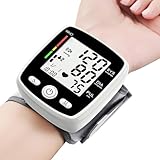
Overview: This digital wrist blood pressure monitor offers a sleek, portable solution for tracking cardiovascular health at home or while traveling. With USB charging capability and voice-guided operation, it caters specifically to seniors and visually impaired users. The device supports two users with 90 readings each and features a compact design that fits wrists from 5.3 to 7.7 inches, making it one of the more travel-friendly options available.
What Makes It Stand Out: The combination of USB rechargeability and voice broadcast creates an accessible, eco-friendly package rarely found at this price point. The pleasant female voice clearly announces all measurements, eliminating guesswork and making it invaluable for those with visual challenges. The palm-up positioning guidance helps ensure more accurate wrist readings by promoting proper technique. The included storage box and USB cable make it travel-ready without additional purchases.
Value for Money: This budget-friendly wrist monitor delivers premium features like voice guidance and rechargeability at an entry-level price. While wrist monitors inherently trade some accuracy for convenience, the cost savings and elimination of battery expenses provide long-term value. It’s an affordable secondary monitor for travel or office use, complementing a primary upper arm device without breaking the bank.
Strengths and Weaknesses: Strengths include USB charging, voice broadcast, dual-user mode, portable design, and one-button simplicity. Weaknesses are wrist monitor accuracy limitations, smaller cuff range restricting user compatibility, limited 90 readings per user, and lack of smart app connectivity. The voice function, while helpful, may not suit all environments or preferences, and the short 60-second auto-shutoff can be abrupt.
Bottom Line: An excellent budget choice for seniors prioritizing ease of use and auditory feedback. While not a substitute for clinical-grade upper arm monitors, this device serves well as a portable supplement for regular check-ins. The voice feature and rechargeability make it particularly valuable for users with vision difficulties who need straightforward, independent monitoring.
5. OMRON Evolv Wireless Blood Pressure Monitor for Home Use & Upper Arm Blood Pressure Cuff - #1 Doctor & Pharmacist Recommended Brand - Clinically Validated - Connect App
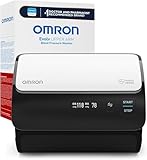
Overview: The OMRON Evolv represents the gold standard in home blood pressure monitoring, backed by the #1 doctor and pharmacist recommended brand. This wireless upper arm monitor features a unique one-piece design that integrates the cuff and display, eliminating tubing tangles and simplifying setup. The device stores 100 readings and connects via Bluetooth to the comprehensive OMRON connect app for unlimited data tracking and trend analysis.
What Makes It Stand Out: The all-in-one portable design sets it apart from traditional two-piece monitors, making it exceptionally travel-friendly without sacrificing accuracy. Advanced Accuracy Technology ensures readings meet stringent clinical validation standards. The irregular heartbeat detection provides crucial cardiac monitoring beyond basic BP measurements. Seamless integration with Apple Health and Google Fit creates a holistic health ecosystem, while the easy-wrap ComFit cuff (9"-17") ensures proper placement for reliable results without assistance.
Value for Money: As a premium product, the Evolv commands a higher price but justifies it through brand reputation, clinical validation, and superior build quality. The investment pays dividends in accuracy confidence and long-term durability. Compared to budget alternatives, the extensive app ecosystem, proven reliability, and professional recommendations make it worth the premium for users managing hypertension or heart conditions seriously. The ready-out-of-box package includes everything needed for immediate use.
Strengths and Weaknesses: Strengths include clinical validation, doctor-recommended brand, portable one-piece design, irregular heartbeat detection, robust app integration, and wide cuff range. Weaknesses are the higher price point, limited 100-reading on-device storage compared to some competitors, and reliance on AAA batteries rather than rechargeability. The premium cost may deter casual users, and the one-piece design, while convenient, may feel bulky for smaller arms.
Bottom Line: For those prioritizing medical-grade accuracy and brand trust, the OMRON Evolv is unmatched. It’s the ideal choice for users with established cardiovascular concerns who need reliable, shareable data for medical consultations. The premium price is justified by professional endorsements and proven performance, making it a worthwhile investment in your health.
6. Blood Pressure Monitor Upper Arm Machine Accurate Adjustable BP Cuff Kit Led Backlit Display 2 Users 240 Sets Memory Includes Storage Bag White

Overview: This upper arm blood pressure monitor delivers clinical-grade accuracy in a user-friendly package designed for home use. With one-button operation and a generous LED backlit display, it accommodates two users with 120 readings each, totaling 240 memory slots. The adjustable cuff fits arm circumferences from 22-40cm, making it suitable for most adults.
What Makes It Stand Out: The large LED backlit screen ensures excellent readability even in dim lighting, a crucial benefit for elderly users. The inclusion of a Type-C cable for power adds modern convenience, though you’ll need to supply your own adapter or batteries. The self-checking cuff mechanism helps ensure proper positioning for accurate readings every time.
Value for Money: Positioned in the mid-range segment, this monitor offers solid value by combining essential features like dual-user memory and a wide-range cuff with premium touches like backlit display and carrying case. While it lacks Bluetooth connectivity, it provides reliable core functionality at a price point significantly lower than app-enabled alternatives.
Strengths and Weaknesses: Strengths include intuitive one-button operation, excellent display visibility, comprehensive cuff size range, and included storage bag. Weaknesses are the lack of included batteries or adapter, limited to 120 readings per user (not 240 total as the product title suggests), and no smartphone integration for data tracking.
Bottom Line: This monitor is ideal for couples or individuals seeking a straightforward, reliable device without smart features. The excellent display and wide cuff range make it particularly suitable for older adults who prioritize ease of use over connectivity.
7. Medline Digital Wrist Blood Pressure Monitor, Wearable, Digital LCD Display, Stores Up To 60 Readings, Batteries Included

Overview: Medline’s wrist blood pressure monitor prioritizes portability and convenience for users needing on-the-go health tracking. This compact device features an adjustable Velcro wrist cuff fitting 13.5-21.4cm and stores up to 60 readings. The large LCD display shows systolic/diastolic pressure and pulse rate with error detection for reliable results.
What Makes It Stand Out: As a wrist-based monitor, it excels in portability and ease of use, automatically inflating and deflating without the arm positioning challenges of traditional cuffs. Medline includes batteries and a two-year warranty, demonstrating confidence in product longevity. The clinical accuracy claim makes it suitable for regular monitoring and trend tracking.
Value for Money: This budget-friendly option costs less than most upper arm monitors while delivering Medline’s reputable build quality. However, wrist monitors generally trade some accuracy for convenience, making this best suited for supplementary tracking rather than primary diagnostic purposes. The included batteries and warranty enhance its value proposition significantly for cost-conscious buyers.
Strengths and Weaknesses: Strengths include exceptional portability, straightforward operation, included batteries, error detection display, and strong warranty support. Weaknesses are the limited 60-reading memory, smaller cuff range unsuitable for larger arms, and inherent accuracy limitations of wrist measurement compared to upper arm devices.
Bottom Line: Perfect for frequent travelers or those who prioritize convenience over maximum accuracy. While not ideal as a primary diagnostic tool, it serves excellently as a secondary monitor for checking readings throughout the day away from home.
8. iHealth Neo Wireless Blood Pressure Monitor, Upper Arm Cuff, Bluetooth Blood Pressure Machine, Ultra-Thin & Portable, App-Enabled for iOS & Android
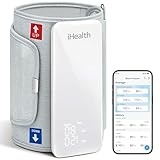
Overview: The iHealth Neo represents the smart evolution of blood pressure monitoring, combining clinical validation with seamless Bluetooth connectivity. This ultra-thin upper arm device measures in 30-60 seconds and syncs data automatically to the MyVitals app for unlimited storage. The rechargeable 950mAh battery provides approximately 130 measurements per charge, reducing environmental waste and saving money on replacements over time.
What Makes It Stand Out: Its app integration sets it apart, enabling effortless data sharing with healthcare providers through exportable CSV, XLS, or PDF reports. The ultra-portable design and rechargeable battery eliminate the hassle of disposable batteries completely. Gentle inflation technology enhances comfort during measurement, while one-button operation maintains simplicity for all ages and technical skill levels.
Value for Money: Though priced at a premium, the Neo justifies its cost through smart features that transform how users manage cardiovascular health proactively. The unlimited cloud storage, rechargeable battery, and doctor-friendly data exports deliver professional-grade tracking capabilities that cheaper monitors cannot match or replicate for comprehensive care management.
Strengths and Weaknesses: Strengths include Bluetooth connectivity, rechargeable battery, clinical validation, ultra-thin design, unlimited app storage, and easy data sharing. Weaknesses are the higher price point, smartphone dependency for full functionality, and potential privacy concerns with health data stored in the cloud.
Bottom Line: An excellent investment for tech-savvy users and those needing to share regular readings with physicians for ongoing care. The combination of accuracy, portability, and smart features makes it the top choice for proactive health management and modern connected lifestyles.
9. Blood Pressure Monitor Upper Arm Monitors for Home Use Adjustable 8.7"-16.5" Cuff LED Display 2x120 Memory Intelligent Voice Portable Machine with Storage Bag
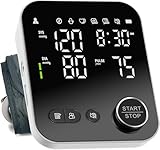
Overview: This affordable upper arm monitor emphasizes accessibility with its intelligent voice guidance system and large LED display. Designed for home use, it stores 120 readings for two users and features dual power options supporting both battery and
Why Blood Pressure Monitoring Matters on the Road
The Stress-Travel Connection
Travel stress isn’t just about delayed flights or lost luggage—your body responds to travel with physiological changes that directly impact blood pressure. The cortisol spike from navigating airports, the dehydration from long flights, and the anxiety of unfamiliar environments create a perfect storm for elevated readings. Regular monitoring helps you distinguish between temporary spikes and concerning trends, giving you data to share with your healthcare provider rather than vague descriptions of feeling “off” during your trip.
Irregular Routines and Blood Pressure
Your circadian rhythm governs blood pressure patterns, typically dipping at night and rising in the morning. Crossing time zones disrupts this natural cycle, potentially masking hypertension or creating false alarms. Portable monitors allow you to track how your body adapts to new schedules, helping you identify whether that 3 AM wake-up call in Tokyo is affecting your cardiovascular health or if your evening strolls in Paris are actually improving your numbers.
Understanding Monitor Types for Travelers
Arm Cuff Monitors
Upper arm cuffs remain the gold standard for accuracy, and recent innovations have made them surprisingly travel-friendly. These devices typically feature slimmed-down cuffs that roll compactly and main units that weigh less than a smartphone. The key advantage lies in their alignment with clinical measurement standards, making them ideal for travelers who need readings their doctors will trust. Look for automatic inflation models that eliminate manual pumping—one less thing to juggle while balancing your coffee and boarding pass.
Wrist Cuff Monitors
When space is at a premium, wrist monitors offer compelling portability benefits. They slip easily into jacket pockets and can be used discreetly in airplane seats or hotel rooms. However, they require strict positioning protocols—your wrist must be at heart level, which takes practice to master consistently. For travelers who prioritize minimalism and are willing to invest time in proper technique, these devices provide acceptable accuracy with maximum convenience.
Finger Monitors
The newest category in portable monitoring, finger devices represent the cutting edge of travel health tech. While they offer unmatched portability, their accuracy can be more sensitive to temperature and finger positioning. These work best as supplementary devices for frequent travelers who want quick checks between more rigorous measurements with arm cuffs. Think of them as your casual monitoring companion rather than your primary data source.
Key Features That Define Travel-Friendly Design
Size and Weight Benchmarks
A truly portable monitor should weigh under one pound and occupy less space than a paperback book. The most travel-savvy designs feature detachable cuffs that store flat and display units that double as protective cases. When evaluating options, physically measure your luggage compartments and consider whether the device fits in your daypack for sightseeing. Remember: the best monitor is the one you’ll actually carry, not the one that stays in your hotel room because it’s too bulky.
Case and Accessory Integration
Premium travel monitors include thoughtfully designed carrying cases that protect the device while organizing accessories like charging cables and extra batteries. The best cases feature hard-shell exteriors with soft interiors, preventing damage from baggage handlers while keeping the cuff clean. Some innovative designs incorporate cable management systems that prevent tangling with your phone charger—a small detail that makes a big difference when you’re unpacking in a new city every few days.
Accuracy Standards You Must Know
Validation and Certification
Before investing in any portable monitor, verify it meets international accuracy standards like ISO 81060-2 or has passed validation protocols from hypertension societies. These certifications aren’t just bureaucratic checkboxes—they represent rigorous testing under conditions that simulate real-world use, including movement, temperature variations, and different body types. Travelers should prioritize devices with published validation studies, as airport environments and hotel room temperature swings can challenge less robust sensors.
Calibration Requirements
Unlike traditional home monitors that might need annual calibration, travel-friendly devices should maintain accuracy for at least two years between calibrations. Look for models with automatic self-checks that alert you when recalibration is needed. Some advanced units even include reference sensors that compare readings against baseline standards, ensuring your data remains reliable whether you’re measuring in a humid Bangkok hotel or a dry Denver Airbnb.
Power Solutions for Global Adventures
Battery Life Expectations
The ideal travel monitor operates for at least 300 readings on a single charge or set of batteries. This translates to roughly six months of daily use—more than enough for extended trips. Rechargeable lithium-ion batteries generally outperform disposable options for frequent flyers, as they handle the pressure changes of air travel better and eliminate the need to hunt for specific battery types in foreign countries.
USB and Universal Charging
Universal micro-USB or USB-C charging ports transform your monitor from a specialized medical device to just another gadget in your tech arsenal. This compatibility means you can charge it with the same power bank that keeps your phone alive during 12-hour layovers. Some cutting-edge models even support wireless charging, letting you power up at airport charging pads without fumbling with cables while juggling your passport and boarding pass.
Smart Connectivity and Data Management
Bluetooth and App Integration
Modern monitors sync seamlessly with smartphone apps, creating digital health logs that automatically timestamp readings with location data. This geo-tagging proves invaluable when reviewing patterns with your doctor: “See how my readings improved after leaving the high altitude of La Paz?” The best apps export data in formats compatible with electronic health records, eliminating manual transcription errors and making telemedicine consultations during travel genuinely productive.
Cloud Storage Benefits
Cloud-connected devices ensure your blood pressure history survives even if your luggage doesn’t. When readings automatically upload to secure servers, you can access months of data from any device, anywhere. This feature becomes critical during travel emergencies when local doctors need your baseline readings to make informed treatment decisions. Plus, it allows family members back home to monitor your health remotely, providing peace of mind for both you and your loved ones.
Comfort and Fit Considerations
Cuff Size and Adjustability
A travel monitor must accommodate different arm sizes, especially if multiple family members use the same device. Look for adjustable cuffs that fit arm circumferences from 22cm to 42cm without requiring separate purchases. The best designs feature intuitive sizing guides printed directly on the cuff, eliminating guesswork when you’re bleary-eyed from jet lag and just want a quick reading before breakfast.
Material and Skin Sensitivity
Travel exposes your skin to new detergents, climates, and stressors that can trigger sensitivities. Hypoallergenic cuff materials prevent irritation during extended trips where you might measure twice daily. Breathable fabrics that wick moisture prevent the discomfort of taking readings in humid destinations, while antimicrobial treatments keep the cuff hygienic when you’re using it in less-than-sterile environments.
Durability for the Road
Travel-Friendly Materials
The ideal travel monitor features reinforced corners and scratch-resistant screens that survive drops onto hotel bathroom tiles. Polycarbonate casings offer better impact resistance than cheaper plastics, while rubberized grips prevent slips from airplane tray tables. Consider devices with IP ratings for dust and water resistance—IP54 provides adequate protection against sand at the beach and spills in cramped economy seats.
Water and Dust Resistance
While you won’t submerge your blood pressure monitor, splash resistance protects against hotel sink accidents and sudden rainstorms when you’re caught without an umbrella. Dust resistance proves equally important in desert destinations or during safari adventures where fine particles infiltrate everything. These ratings ensure internal sensors remain accurate despite environmental challenges that would compromise lesser devices.
Price vs. Value for Travelers
Entry-Level vs. Premium Features
Budget monitors ($30-$60) typically offer basic readings without connectivity, suitable for occasional travelers who simply want spot checks. Mid-range options ($60-$120) add smartphone sync and better portability. Premium devices ($120-$250) justify their cost with clinical-grade accuracy, multi-user profiles, and advanced analytics that identify trends across different destinations. Frequent international travelers should view premium models as investments in health insurance rather than expenses.
Long-Term Cost Considerations
Factor in hidden costs like replacement cuffs ($15-$40), calibration services ($25-$50), and app subscription fees ($0-$5 monthly). Some manufacturers bundle these services into the purchase price, offering two-year warranties that include free calibration and cuff replacements. Calculate the total cost of ownership over three years rather than focusing solely on the initial price—this reveals which devices truly offer value for globetrotting users.
Packing and Transportation Tips
TSA and Airline Guidelines
Blood pressure monitors are permitted in both carry-on and checked luggage, but always pack them in your carry-on to prevent temperature extremes in cargo holds. The TSA may require you to remove the device from its case for screening, so choose models that pack and unpack quickly. Keep a printed copy of your prescription or doctor’s note explaining the medical necessity—this expedites security checks and justifies carrying spare batteries.
Safe Storage Practices
Never pack your monitor with heavy items that could crush it, and avoid placing it in exterior pockets where impact damage is likely. Use the original case or wrap the device in clothing for extra padding. Remove batteries before long-term storage to prevent corrosion, and if you’re traveling to extreme altitudes, consider sealing the device in a waterproof bag—the pressure changes can cause condensation inside the unit when moving from airplane cabins to mountain lodges.
Using Your Monitor Effectively on the Road
Finding Testing Locations
Consistency matters more than location, but aim for quiet spots where you can sit upright with back support. Hotel rooms work perfectly—just avoid measuring immediately after checking in when you’re stressed. Many airports now offer wellness rooms with chairs and privacy screens specifically for health monitoring. Train compartments and cruise ship cabins also provide suitable environments when you time measurements between stops and announcements.
Time Zone Adjustments
Your blood pressure follows your internal clock, not local time. For the first few days in a new timezone, measure according to your home schedule to establish baseline adjustments. After acclimating, gradually shift to local time for measurements. Advanced monitors with world clock features simplify this by allowing you to tag readings with both home and local times, creating dual datasets that reveal how your cardiovascular system adapts to circadian disruption.
Troubleshooting Common Travel Issues
Error Messages and Solutions
“Movement detected” errors plague travelers who try to measure in moving vehicles or while balancing luggage. Always wait until you’re stationary, with both feet flat on the floor and arm supported at heart level. “Cuff error” messages often result from improper fit—travel-related swelling can change your arm circumference, so recheck cuff positioning daily. Keep the user manual PDF on your phone for quick troubleshooting without internet access.
Environmental Factors
High altitudes (above 8,000 feet) can artificially elevate readings due to lower oxygen levels—note altitude in your log to provide context. Extreme heat causes vasodilation, potentially lowering readings, while cold triggers vasoconstriction, raising them. Measure in climate-controlled environments when possible, and always wait 30 minutes after moving between extreme temperatures before taking a reading. Your monitor’s internal temperature sensor should alert you if ambient conditions exceed operating ranges.
When to Seek Medical Help Abroad
Reading Red Flags
A single elevated reading (above 180/120 mmHg) warrants immediate medical attention, especially if accompanied by chest pain, severe headache, or vision changes. More concerning are gradual increases over several days despite rest and medication adherence. Don’t dismiss consistently high readings as “travel stress”—they may indicate underlying issues exacerbated by travel. Program emergency numbers into your phone for each destination before departure.
Locating Medical Facilities Abroad
Your travel monitor becomes a communication tool when language barriers exist. Show local doctors your trend data through the app’s visual graphs—they transcend language differences. Many premium apps include “find a doctor” features that locate English-speaking physicians or clinics with translation services. The International Association for Medical Assistance to Travellers maintains a directory of approved facilities where staff understand the importance of reviewing home-monitored data.
Insurance and Warranty Considerations
Coverage for Travel Devices
Check if your health insurance covers portable monitors as durable medical equipment—some plans reimburse 50-80% of the cost with a doctor’s prescription. Travel insurance policies increasingly cover medical devices, but read the fine print: many require you to declare items before departure and limit coverage to specific replacement costs. Photograph your device and serial number before traveling to expedite claims if lost or stolen.
International Warranty Support
A manufacturer’s warranty means little if service centers only exist in your home country. Prioritize brands offering mail-in repair services or partnerships with international medical suppliers. Some companies provide loaner devices while yours is being serviced—crucial for long-term travelers. Verify warranty terms for damage caused by travel conditions like pressure changes or humidity, as standard warranties often exclude these “environmental factors.”
Future Trends in Portable Monitoring
AI-Powered Insights
Emerging monitors incorporate artificial intelligence that learns your personal patterns and predicts how travel will affect your readings. These systems might alert you: “Your blood pressure typically rises 15% on the second day of international travel—consider an extra dose of medication after consulting your doctor.” While still evolving, this technology promises to transform reactive monitoring into proactive health management, making your device a personalized travel health advisor rather than just a measurement tool.
Integration with Health Ecosystems
Next-generation devices will sync with smartwatches, fitness trackers, and even airline seat sensors to create comprehensive health profiles. Imagine your monitor automatically adjusting for the dehydration detected by your smart water bottle or the stress levels measured by your wearable. This ecosystem approach will contextualize blood pressure readings within your total travel experience, providing actionable insights that go far beyond numbers on a screen.
Frequently Asked Questions
Can I use my portable blood pressure monitor on an airplane? Yes, you can use monitors during flights, but wait until the seatbelt sign is off and you can sit properly with your arm supported. The cabin pressure doesn’t significantly affect readings, but the dry air and stress of flying might influence your numbers. Always measure at cruise altitude, not during takeoff or landing.
How often should I calibrate my travel monitor? Travel monitors should be calibrated every two years or after 1,000 readings, whichever comes first. However, if you notice consistent discrepancies between your device and clinic measurements, recalibrate immediately. Some manufacturers offer mail-in calibration services that take 7-10 business days—plan this during home periods between trips.
Do wrist monitors work as well as arm monitors for travel? Wrist monitors offer convenience and portability but require strict positioning to match arm monitor accuracy. When used correctly with the wrist at heart level and no talking during measurement, they provide reliable data. For travelers prioritizing space, they’re excellent secondary devices, but those with diagnosed hypertension should use arm monitors as their primary travel unit.
What should I do if my monitor breaks during international travel? First, contact the manufacturer’s international support line—many offer express shipping of replacement units worldwide. In the meantime, locate a pharmacy or clinic; most international cities have walk-in facilities where you can get a professional reading. Document these readings manually with date, time, and location to maintain your log’s continuity.
Can altitude affect my blood pressure readings? Yes, altitudes above 8,000 feet can cause temporary increases in blood pressure due to lower oxygen levels. Your body typically adjusts within 1-2 weeks. Note altitude in your readings and discuss significant elevations with your doctor before high-altitude trips—they may adjust medications preemptively.
Are there restrictions on carrying blood pressure monitors in carry-on luggage? No, the TSA and international security agencies classify blood pressure monitors as medical devices, exempt from most restrictions. You can carry them in addition to your regular carry-on allowance on many airlines. Keep them easily accessible for screening, and inform security agents if you have spare lithium batteries, which have specific quantity limits.
How do I clean my monitor while traveling? Wipe the cuff with alcohol-based disinfectant wipes after each use, focusing on the inner surface that contacts skin. Never submerge the main unit or cuff in water. For thorough cleaning, use a cloth dampened with mild soap solution, then dry completely before storage. Pack a small bottle of sanitizer specifically for your device.
Should I monitor at the same time every day despite timezone changes? For the first 3-4 days in a new timezone, measure according to your home schedule to establish how your body is adjusting. Then gradually shift to local time over the next week. This dual approach reveals both circadian disruption and true blood pressure trends in your new environment.
Can I share my travel monitor with a companion? Most modern monitors support multiple user profiles that store separate data histories. This is perfect for traveling couples or families. Ensure each person has their own cuff if sizes differ significantly, as proper fit is crucial for accuracy. Clean the cuff thoroughly between users to maintain hygiene.
What features are worth paying extra for in a travel monitor? Prioritize universal USB charging, multi-user profiles, cloud backup, and robust warranty coverage. GPS tagging and altitude logging justify their cost for adventure travelers, while smartphone connectivity is essential for business travelers who need to share data with their healthcare team quickly. Don’t overpay for features like voice commands that you’ll rarely use in public travel settings.