Monitoring your blood oxygen saturation has evolved from occasional clinic visits to continuous, data-driven health management. In today’s connected world, understanding your body’s oxygen levels isn’t just for those with respiratory conditions—it’s become a vital metric for athletes tracking performance, travelers adjusting to altitude, and health-conscious individuals seeking proactive wellness insights. The challenge has always been bridging the gap between momentary spot checks and meaningful, long-term trends.
Enter Bluetooth-enabled pulse oximeters, the smart evolution of a trusted medical device. These compact tools transform single readings into comprehensive health narratives by wirelessly transmitting data to your smartphone or tablet. No more manual logging, no more guessing whether your oxygen levels are improving or declining. Instead, you get instant access to visual trends, historical patterns, and shareable reports that empower both you and your healthcare providers with accurate, timely information.
Top 10 Bluetooth Pulse Oximeters
Detailed Product Reviews
1. Innovo FSA/HSA Eligible iP900BP-B Fingertip Pulse Oximeter, Blood Oxygen Monitor with Free App, Plethysmograph, and Perfusion Index (with Bluetooth)

Overview: The Innovo iP900BP-B positions itself as a premium fingertip pulse oximeter designed for users who demand clinical-grade accuracy with modern connectivity. This device measures blood oxygen saturation (SpO2), pulse rate, perfusion index, and includes a plethysmograph waveform. Its Bluetooth integration with the free ‘Beyond Oximeter’ app makes it suitable for sports enthusiasts, pilots, and health-conscious individuals who want to track their metrics over time rather than rely on single readings.
What Makes It Stand Out: The patented six-directional display sets this oximeter apart, allowing users or caregivers to rotate the screen orientation with a button press for optimal viewing angles. The combination of plethysmograph and Perfusion Index provides real-time visual confirmation of reading reliability, crucial for users with circulation issues. The improved LED and sensor array delivers accurate measurements even during low blood perfusion states where cheaper models typically fail, making it genuinely medical-grade hardware.
Value for Money: Priced in the mid-range for Bluetooth-enabled oximeters, the Innovo justifies its cost through superior sensor technology and multi-directional display versatility. While basic non-connected models cost half as much, they lack the app’s data visualization, waveform analysis, and long-term trend tracking. The FSA/HSA eligibility provides additional value for those with tax-advantaged health accounts, effectively reducing the out-of-pocket expense.
Strengths and Weaknesses: Strengths include exceptional accuracy during low perfusion, versatile display options, comprehensive app features with waveform visualization, and robust build quality. The plethysmograph ensures users can verify reading reliability in real-time. Weaknesses are the explicit limitation against overnight continuous monitoring, which restricts sleep apnea tracking, and the app requires manual synchronization rather than automatic background data collection. Some users report the Bluetooth connection can be finicky during initial pairing.
Bottom Line: The Innovo iP900BP-B is an excellent choice for active users needing reliable, professional-grade oxygen monitoring with digital record-keeping. Its accuracy during challenging conditions and flexible display make it superior for sports and aviation use. However, those requiring overnight monitoring should look elsewhere. For everyone else, the tax eligibility and app integration make this a smart, future-proof investment in personal health monitoring.
2. Wellue Bluetooth Pulse Oximeter Fingertip, Blood Oxygen Saturation Monitor with Free APP, Batteries, Carry Bag & Lanyard

Overview: Wellue’s Bluetooth pulse oximeter delivers essential SpO2 and pulse rate monitoring in a compact, travel-friendly package. This device provides accurate readings within eight seconds and automatically powers on when a finger is inserted. Designed for everyday users, it includes a free companion app for both iOS and Android, allowing real-time data synchronization and historical tracking. The complete accessory kit makes it ready for immediate use straight from the box.
What Makes It Stand Out: The eight-second measurement time is notably faster than many competitors, reducing the waiting period during routine checks. Its smart reminder system automatically alerts users with audible beeps and flashing readings when SpO2 or pulse rate exceed preset limits, providing passive safety monitoring. The built-in memory stores 12 groups of data directly on the device, allowing quick one-click access to recent readings without needing the app, a practical feature when your phone isn’t immediately available.
Value for Money: This oximeter offers compelling value in the budget-friendly segment. It includes premium features like Bluetooth connectivity, smart alarms, and onboard memory typically found in more expensive models. The bundled accessories—two AAA batteries, protective carry pouch, and lanyard—eliminate hidden costs. Compared to basic non-Bluetooth units, the modest price premium delivers significant functionality upgrades, making it an economical entry point into connected health monitoring.
Strengths and Weaknesses: Strengths include rapid measurement speed, intuitive automatic power on/off, audible alarm system, onboard memory backup, and comprehensive accessory package. The device is lightweight and genuinely pocket-portable. Weaknesses include the requirement to keep the app actively running for data storage, limiting background tracking. The 12-reading memory capacity is modest for users wanting extensive historical data, and the display lacks advanced visual indicators like perfusion index that competing models offer.
Bottom Line: The Wellue Bluetooth Oximeter is an excellent starter device for families and casual users seeking connected monitoring without complexity. Its speed and alarm features make it particularly suitable for elderly users or those managing chronic conditions. While power users may outgrow the limited memory and basic app functionality, the value proposition is undeniable for budget-conscious buyers wanting reliable, app-enabled oxygen monitoring with minimal fuss.
3. Vibeat Bluetooth Fingertip Pulse Oximeter with Pulse Rate, Blood Oxygen Saturation Monitor | Finger O2 Meter, Batteries and Lanyard Included, Free APP

Overview: The Vibeat Bluetooth oximeter targets convenience-focused users with its instant-start functionality and HSA/FSA eligibility. This device measures SpO2, pulse rate, perfusion index, and pulse waveform, displaying results on a bright OLED screen within seconds. It combines onboard storage with Bluetooth connectivity for seamless data management. The tax-advantaged purchasing option makes it particularly attractive for American consumers looking to maximize their healthcare spending accounts while acquiring a capable monitoring device.
What Makes It Stand Out: True instant activation occurs the moment you insert your finger—no power button required—creating a frictionless user experience. The smart reminder system provides both audible alerts and visual flashing when readings exceed customizable thresholds, ensuring critical values don’t go unnoticed. Its ability to browse the last 12 readings directly on the device screen, combined with one-click Bluetooth transfer to the app, bridges the gap between standalone and fully connected devices better than many competitors.
Value for Money: The Vibeat delivers strong value by qualifying for HSA/FSA reimbursement, effectively making it 20-30% cheaper for account holders. Feature-wise, it matches mid-tier competitors with perfusion index monitoring and waveform display at a lower price point. The inclusion of batteries and lanyard adds tangible value. While app sophistication may trail premium brands, the core functionality and tax benefits create a compelling cost-to-feature ratio that budget-conscious medical users will appreciate.
Strengths and Weaknesses: Strengths include immediate usability, HSA/FSA approval, dual alarm system, direct device data review, and straightforward Bluetooth synchronization. The OLED screen remains readable in various lighting conditions. Weaknesses involve app dependency for long-term storage and the limitation of only recording data while the application is actively open. The 12-reading onboard memory fills quickly for frequent users, and the build quality feels slightly less robust than medical-grade alternatives.
Bottom Line: Vibeat’s oximeter is ideal for cost-savvy consumers wanting legitimate health monitoring with tax advantages. Its instant-start design and direct device browsing cater to users who value simplicity alongside connectivity. While it won’t replace clinical equipment or satisfy data-heavy users, it perfectly serves families, travelers, and those managing intermittent monitoring needs. The HSA/FSA eligibility alone makes it worth considering for eligible buyers seeking reliable, no-fuss oxygen tracking.
4. Wellue Bluetooth Pulse Oximeter Fingertip, Blood Oxygen Saturation Monitor with Built-in Memory, OLED Screen, Batteries, Free APP, Carry Bag & Lanyard
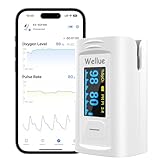
Overview: This Wellue variant emphasizes visual health indicators alongside core SpO2 monitoring, targeting users who want deeper insight into their readings’ reliability. The device captures oxygen levels, pulse rate, and perfusion index while displaying plethysmograph waveforms that visualize blood flow and heartbeat strength. Its built-in memory and Bluetooth connectivity enable both standalone use and comprehensive app-based tracking, making it versatile for daily health management and spot-checking during activities.
What Makes It Stand Out: The plethysmograph waveform display provides immediate visual feedback on signal quality and heartbeat consistency, helping users identify poor readings caused by cold fingers or movement. Combined with the Perfusion Index numeric value, users gain unprecedented confidence in measurement accuracy without medical training. The smart reminder system automatically beeps and flashes when readings breach preset limits, creating a passive monitoring safety net that benefits users with respiratory conditions or those exercising at altitude.
Value for Money: Positioned as a mid-range option, this oximeter justifies its price through clinical-grade visual feedback features rarely seen below premium price points. The bundled accessories eliminate additional purchases, while the free app provides data visualization without subscription fees. Compared to basic models lacking waveform analysis, the modest upcharge delivers substantial diagnostic value. However, users uninterested in visual indicators may find equally accurate alternatives for less money.
Strengths and Weaknesses: Strengths include dual accuracy indicators (waveform + perfusion index), audible/visual alarms, 12-reading onboard memory, complete accessory kit, and reliable Bluetooth synchronization. The OLED display offers excellent contrast. Weaknesses center on the app’s requirement to remain open for data logging, limiting background monitoring. The 12-reading capacity is modest, and the device lacks automatic power-on, requiring a manual button press. Some users find the waveform display small and difficult to interpret without the app’s larger visualization.
Bottom Line: This Wellue model suits health-engaged users wanting visual confirmation of reading quality beyond simple numbers. Its waveform and perfusion index make it particularly valuable for those with circulation issues or athletes training in variable conditions. While app limitations prevent true continuous monitoring, the combination of onboard memory and visual feedback creates a balanced tool for proactive health management. Choose this if you value understanding why a reading might be questionable.
5. Pulse Oximeter HealthTree Oxygen Monitor Fingertip, Bluetooth Pulse Ox with Free APP, O2 Pulse Oximeter Finger and Heart Rate Monitor, 2 X AAA Batteries, Lanyard

Overview: HealthTree’s Bluetooth oximeter differentiates itself through extended recording capabilities and user-friendly design. This device measures SpO2, pulse rate, pulse strength, and waveform, displaying results on a generously sized screen. It can record continuously for up to 10 hours when connected to the app, making it suitable for longer monitoring sessions unlike most competitors limited to spot-checking. The one-button operation and automatic power-off function emphasize simplicity for users of all technical skill levels.
What Makes It Stand Out: The 10-hour continuous recording capability is a standout feature in the fingertip oximeter category, enabling sleep studies, exercise recovery tracking, or altitude acclimatization monitoring that typical devices cannot support. The large screen display improves readability for elderly users or those with visual impairments, addressing a common complaint about compact oximeters. Automatic power-off after 10 seconds of finger removal conserves battery life effectively, while warning alerts flash abnormal values directly on screen without requiring app consultation.
Value for Money: This oximeter offers exceptional value for users needing extended monitoring sessions, a feature usually requiring expensive wearable devices. The standard pricing aligns with mid-range Bluetooth models, but the 10-hour recording provides professional-grade capability at a consumer price point. While it lacks some advanced app features of premium brands, the core functionality and extended recording deliver more utility per dollar than most competitors. The included accessories complete the package without hidden costs.
Strengths and Weaknesses: Strengths include unprecedented recording duration, large readable display, one-button simplicity, effective battery management, and audible/visual warning system. The device feels solid and well-constructed. Weaknesses involve limited onboard memory compared to app-dependent storage, and the app interface is more basic than leading competitors. The larger screen makes the unit slightly bulkier than ultra-portable alternatives, and there’s no mention of perfusion index or advanced accuracy indicators found in competing models.
Bottom Line: HealthTree’s oximeter is the top choice for users requiring extended monitoring beyond quick spot-checks. Its 10-hour recording capability makes it invaluable for sleep tracking or athletic training analysis at a fraction of dedicated monitor costs. While it sacrifices some advanced metrics and app polish, the core performance and battery management are excellent. If you need reliable, long-duration oxygen monitoring with simple operation, this device offers unmatched capability in its price class. Perfect for caregivers and performance-focused athletes.
6. Innovo Deluxe iP900AP Fingertip Pulse Oximeter Blood Oxygen Saturation Monitor with Alarm, Plethysmograph and Perfusion Index
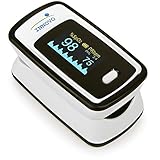
Overview: The Innovo Deluxe iP900AP positions itself as a premium, clinically-validated pulse oximeter designed for users demanding medical-grade accuracy without connectivity complexity. This device targets sports enthusiasts, pilots, and health-conscious individuals who need immediate, reliable SpO2 and pulse rate measurements. It distinguishes itself through enhanced sensor technology that maintains accuracy even during low blood perfusion scenarios where competitors typically fail.
What Makes It Stand Out: The integrated plethysmograph and perfusion index provide real-time visual confirmation of signal quality, eliminating guesswork about reading reliability. The auditory alarm system alerts users when measurements fall outside predetermined ranges, while pulse detection beeps offer tactile feedback during each reading. Adjustable display brightness enhances usability across varying lighting conditions. Unlike basic models, this unit has proven superior performance in clinical studies, making it trustworthy for serious health monitoring.
Value for Money: Priced in the mid-range category, the iP900AP delivers exceptional value by offering features typically found in professional equipment costing twice as much. The inclusion of two AAA batteries and a lanyard provides immediate out-of-box functionality. While it lacks wireless connectivity, its standalone reliability means no ongoing subscription costs or app dependencies, ultimately saving money for users who prioritize accuracy over data tracking.
Strengths and Weaknesses: Strengths include outstanding accuracy in low-perfusion conditions, visual confirmation tools (plethysmograph/perfusion index), customizable alarms, and immediate usability without smartphone pairing. The upgraded LED sensor consistently outperforms budget alternatives. Weaknesses comprise the lack of Bluetooth connectivity for data logging, dependency on disposable AAA batteries requiring periodic replacement, and absence of long-term trend storage. Users seeking digital health integration may find this limitation significant.
Bottom Line: The Innovo Deluxe iP900AP excels as a dependable, no-frills medical device for users requiring instantaneous, accurate readings. It’s ideal for athletes, travelers, or home users who value clinical precision over connectivity features. If you need reliable spot-checking without app complexity, this oximeter delivers professional-grade performance at a consumer-friendly price.
7. iHealth AIR Rechargeable Fingertip Pulse Oximeter, Blood Oxygen Saturation Monitor with App, SpO2, Pulse Rate, Plethysmograph, and Perfusion Index
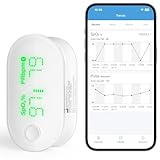
Overview: The iHealth AIR represents the modern connected health ecosystem approach, combining accurate pulse oximetry with seamless smartphone integration. Trusted by U.S. telemedicine programs, this rechargeable device eliminates battery waste while offering comprehensive health data management. Its design caters to tech-savvy users who want to track SpO2 and pulse rate trends over time rather than just capture single measurements.
What Makes It Stand Out: The built-in rechargeable battery provides up to 300 uses per 3-hour charge, offering both environmental benefits and long-term cost savings. The free iHealth MyVitals App enables multi-user profiles, detailed trend analysis by hour/day/week/year, and real-time waveform visualization. California-based customer service provides domestic support reliability. The device’s telemedicine validation ensures clinical confidence, while the large LED screen offers clear readings when smartphone access isn’t immediate.
Value for Money: While commanding a premium over battery-powered alternatives, the rechargeable design pays for itself within a year for regular users. The robust app ecosystem adds significant value through data analytics and sharing capabilities—features that justify the higher initial investment. Compared to replacing AAA batteries monthly, the total cost of ownership favors this model for frequent users, making it economically sensible despite the upfront price.
Strengths and Weaknesses: Major strengths include the rechargeable battery, excellent app integration with trend tracking, telemedicine-grade accuracy, plethysmograph and perfusion index validation, and responsive U.S.-based support. The device excels in data management and multi-user households. Weaknesses involve reliance on smartphone connectivity for full functionality, charging downtime when depleted, and a higher price point that may deter casual users. The Micro-USB charging port feels dated compared to USB-C standards.
Bottom Line: The iHealth AIR is the top choice for users prioritizing data tracking and environmental sustainability. Its rechargeable design and comprehensive app make it perfect for chronic condition management, athletic training analysis, or telemedicine requirements. If you value trend analysis over simplicity and want to eliminate battery waste, this oximeter justifies its premium price through superior long-term functionality.
8. Wearpulse Rechargeable Pulse Oximeter Fingertip - Continuous Blood Oxygen Saturation Monitor, SpO2 and Pulse Rate Tracking, Finger O2 Pulse Oximeter , APP Report Features with Bluetooth, Audio Reminder
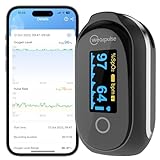
Overview: The Wearpulse oximeter targets users needing proactive health monitoring through customizable alerts and extensive onboard data storage. This rechargeable device bridges the gap between basic spot-checkers and continuous monitoring systems. It offers real-time tracking with second-by-second accuracy while maintaining portability for sports and daily health management. The threshold reminder system transforms it from passive measurement tool to active health guardian.
What Makes It Stand Out: Unique threshold alarms for both SpO2 and pulse rate provide immediate audio-visual warnings when readings exceed user-defined limits—critical for sleep apnea awareness or high-altitude activities. The device stores up to 80 hours of data across eight sessions internally, eliminating constant app synchronization. Adjustable display duration (1, 3, 5 minutes, or always-on) optimizes battery life. The vihealth app generates detailed CSV/PDF reports for medical consultations, while ±2% accuracy ensures clinical relevance.
Value for Money: This competitively priced oximeter punches above its weight class by offering premium features like continuous monitoring storage and customizable alarms typically found in more expensive units. The rechargeable battery reduces long-term operational costs, while the extensive onboard memory provides value for users without constant smartphone access. It delivers professional vigilance capabilities at a mid-tier consumer price point.
Strengths and Weaknesses: Key strengths include the proactive threshold reminder system, massive 80-hour internal storage, adjustable display settings for battery optimization, and accurate real-time monitoring. The device functions independently of phones for extended periods. Weaknesses encompass a lesser-known brand reputation compared to iHealth or Zacurate, potential app maturity concerns, and the lack of telemedicine validation claims. The audio reminder may become intrusive in quiet environments.
Bottom Line: The Wearpulse oximeter is ideal for users requiring vigilant monitoring with alert capabilities. It excels for high-altitude athletes, individuals with respiratory concerns, or anyone wanting continuous data capture without perpetual phone tethering. If customizable alarms and extensive onboard storage matter more than brand prestige, this device offers outstanding functional value.
9. Zacurate 500B-B Wireless Bluetooth Fingertip Pulse Oximeter, Blood Oxygen Monitor with Free App, SpO2, Plethysmograph, and Perfusion Index Finger Oxygen Sensor
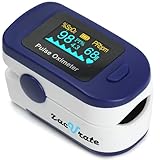
Overview: The Zacurate 500B-B brings Bluetooth connectivity to the trusted Zacurate platform, offering budget-conscious users entry into digital health tracking. This device maintains the brand’s reputation for accuracy while adding wireless data transmission to the free Beyond Oximeter app. Designed for sports, aviation, and home use, it provides essential monitoring capabilities without premium pricing, making connected oximetry accessible to casual users.
What Makes It Stand Out: Bluetooth integration enables effortless data transfer to smartphones for long-term storage and trend analysis across multiple users. The upgraded OLED display and enhanced sensor maintain accuracy during low blood perfusion—a feature often reserved for higher-priced models. Built-in plethysmograph and perfusion index indicators provide real-time signal quality verification. The device balances simplicity with connectivity, offering app features without overwhelming non-technical users.
Value for Money: As one of the most affordable Bluetooth-enabled oximeters available, the 500B-B delivers remarkable value. It provides wireless convenience typically costing 30-50% more while including essential accessories. The AAA battery power source, though less eco-friendly than rechargeable options, keeps initial costs low and eliminates charging downtime. For users wanting basic app connectivity without financial commitment, this represents an intelligent entry point.
Strengths and Weaknesses: Strengths include reliable Bluetooth connectivity, proven low-perfusion accuracy, visual reading validation tools, multi-user app support, and accessible pricing. The familiar AAA battery system ensures universal power availability. Weaknesses involve ongoing battery replacement costs, lack of rechargeable option, absence of audible alarms, and no mention of warranty duration. The device requires manual app synchronization after each use, lacking automatic background data transfer.
Bottom Line: The Zacurate 500B-B is perfect for first-time connected device users seeking affordability without sacrificing core accuracy. It’s ideal for occasional athletes, travelers wanting digital records, or budget-minded individuals exploring health tracking. If you want Bluetooth convenience at entry-level pricing and don’t mind replacing batteries, this oximeter delivers solid performance with minimal investment.
10. Zacurate 500E-B Wireless Bluetooth Fingertip Blood Pulse Oximeter Monitor with FREE App, SpO2, Heart Rate, Plethysmograph, and Perfusion Index Finger Oxygen Sensor Meter

Overview: The Zacurate 500E-B represents the flagship model in Zacurate’s consumer line, distinguished by its patented multi-directional display and comprehensive accessory package. This Bluetooth-enabled oximeter targets users seeking maximum viewing flexibility and warranty protection while maintaining the brand’s accuracy standards. It combines wireless connectivity with thoughtful hardware design for both self-monitoring and caregiver assistance scenarios.
What Makes It Stand Out: The revolutionary 6-layout display rotates OLED readouts to face any direction, invaluable for caregivers or users with limited mobility. An industry-leading 18-month manufacturer warranty provides exceptional protection. The package includes premium accessories: silicone cover for durability, lanyard for portability, and AAA batteries for immediate use. Enhanced infrared sensor technology ensures reliable readings in challenging conditions, while the Beyond Oximeter app supports multi-user data management.
Value for Money: Though priced at the higher end of consumer oximeters, the 500E-B justifies its cost through unique display technology, extended warranty, and comprehensive accessories. The multi-directional feature eliminates awkward finger positioning, potentially improving measurement consistency. When factoring the 18-month warranty (versus typical 12-month coverage) and protective accessories, the premium over the 500B-B model becomes reasonable for users prioritizing convenience and longevity.
Strengths and Weaknesses: Major strengths include the patented display rotation system, longest warranty in Zacurate’s lineup, complete accessory bundle, reliable Bluetooth connectivity, and low-perfusion accuracy. The device excels in shared-use environments. Weaknesses comprise continued reliance on AAA batteries rather than rechargeable power, premium pricing that may exceed casual user needs, and the same manual synchronization requirement as the 500B-B. The multi-directional feature, while innovative, may be underutilized by solo users.
Bottom Line: The Zacurate 500E-B is the ideal choice for users wanting maximum hardware flexibility and warranty security. It’s particularly valuable for caregivers, families sharing the device, or individuals who appreciate viewing customization. If display versatility and extended protection justify the premium price for you, this flagship model delivers Zacurate’s most complete oximeter package with professional-grade features.
Understanding Bluetooth Pulse Oximeters
What Makes Them Different from Traditional Models
Traditional pulse oximeters provide a snapshot—one reading at one moment in time. Bluetooth models maintain the same core technology using LED lights to measure oxygen saturation through your fingertip, but they add a crucial layer of connectivity. The integration of wireless technology means your device becomes part of a larger health ecosystem, automatically transferring readings to companion applications without manual data entry. This seemingly small upgrade fundamentally changes how you interact with your health metrics, turning a passive device into an active health management tool.
How Wireless Connectivity Transforms Health Monitoring
The wireless capability eliminates transcription errors and forgotten readings. When your oximeter connects to your smartphone, each measurement is time-stamped and stored automatically. This creates a chronological health diary that reveals patterns invisible to single readings. You might discover your oxygen levels dip during certain activities, at specific times of day, or in particular environments. For those managing chronic conditions, this continuous data stream provides objective evidence of treatment effectiveness that goes far beyond how you feel subjectively.
Key Benefits of Going Wireless
Real-Time Data Tracking on Your Smartphone
Immediate feedback loops change behavior. Watching your oxygen saturation respond in real-time to deep breathing exercises, physical activity, or rest gives you instant insight into what helps or harms your respiratory health. Most companion apps display readings in easy-to-read formats with color-coded zones, making interpretation intuitive even for those without medical backgrounds. This visual feedback transforms abstract numbers into actionable health intelligence.
Remote Monitoring for Peace of Mind
Bluetooth connectivity enables sharing capabilities that traditional models cannot match. Whether you’re a parent monitoring a child’s nighttime oxygen levels, a caregiver tracking an elderly parent’s respiratory health, or a patient recovering from surgery, remote access means concerned parties can stay informed without being physically present. Some applications allow secure data sharing with family members or medical teams, creating a support network that extends beyond the walls of your home.
Trend Analysis and Historical Data Storage
The true power of Bluetooth pulse oximeters lies in their ability to store weeks, months, or even years of data. This historical perspective reveals trends that single measurements miss. You can identify seasonal patterns, track recovery progress after illness, monitor adaptation to high-altitude environments, or document how lifestyle changes impact your oxygen levels. Exportable reports make these insights portable for medical appointments, giving healthcare providers concrete data rather than vague recollections.
Essential Features to Evaluate
Accuracy and FDA Clearance
Medical accuracy remains the non-negotiable foundation of any pulse oximeter. Look for devices that have undergone clinical validation and carry appropriate regulatory clearances. FDA-cleared devices meet specific performance standards, particularly important for those using readings to make health decisions. Accuracy specifications typically fall within ±2% for oxygen saturation readings between 70-100%, and ±3% for pulse rates. Be wary of devices that don’t publish their accuracy data or lack regulatory certifications.
Bluetooth Range and Connectivity Stability
Not all Bluetooth connections are equal. Effective range typically spans 30-50 feet, but walls, interference from other devices, and physical obstructions can impact stability. Quality devices maintain consistent connections without frequent dropouts that fragment your data. Consider whether you need continuous monitoring during movement around your home, or if stationary readings suffice. Some advanced models offer dual connectivity options, allowing both Bluetooth for local syncing and Wi-Fi for cloud-based storage.
Battery Life and Power Options
Battery performance varies dramatically between models. Some devices operate for 20-30 hours on a single charge, while others require battery replacements after just a few hours of use. Rechargeable lithium-ion batteries offer convenience and cost savings over time but may add bulk. Traditional AAA batteries provide flexibility for travel but create ongoing expense and environmental waste. Consider your usage patterns—frequent daily monitoring demands longer battery life than occasional spot checks.
Display Quality and Readability
Even with smartphone connectivity, the on-device display matters for quick checks. High-quality OLED screens offer excellent visibility in various lighting conditions, from bright sunlight to dark bedrooms. The display should show both SpO2 and pulse rate simultaneously, with clear indicators of signal strength and measurement quality. Adjustable brightness prevents nighttime disruption, while rotating displays accommodate different finger orientations. Some premium models feature color-coded backgrounds that instantly communicate whether readings fall within normal ranges.
App Integration and Compatibility
The companion application defines your user experience. Evaluate app store ratings and recent update histories before committing to a device. The best apps offer intuitive dashboards, customizable alert thresholds, and seamless data export in common formats like PDF or CSV. Compatibility matters too—ensure the device works with your smartphone’s operating system version. Some manufacturers support both iOS and Android, while others restrict compatibility. Check whether the app requires ongoing subscriptions for full functionality, as this impacts long-term value.
Data Security and Privacy Protection
Your health data deserves protection. Quality manufacturers employ encryption for data transmission and storage, comply with HIPAA regulations where applicable, and provide clear privacy policies explaining how your information is used. Avoid devices that require unnecessary personal information or share data with third parties without explicit consent. Some apps store data locally on your device only, while others sync to cloud servers—understand these differences and choose based on your comfort level with data storage.
Design and Comfort Considerations
Finger Chamber Size and Fit
A proper fit ensures accurate readings. Finger chambers accommodate different digit sizes, but not universally. Children and adults with smaller fingers may need pediatric-specific models, while larger individuals should verify chamber dimensions. The finger bed should feel comfortable without excessive pressure that could restrict circulation. Spring tension varies between devices—too tight causes discomfort during extended monitoring, too loose results in movement artifacts and inaccurate readings.
Weight and Portability
Bluetooth pulse oximeters range from ultra-portable clip-on devices weighing under 30 grams to more substantial units exceeding 50 grams. For athletes or travelers, every gram matters. Consider whether you’ll carry the device daily in a pocket or bag, or if it will remain stationary on a nightstand. Compact designs often sacrifice battery capacity, while larger models may offer extended operation. The ideal balance depends on your mobility needs versus monitoring duration requirements.
Durability and Build Quality
Daily use demands robust construction. High-quality devices feature reinforced hinges that withstand thousands of openings and closings, scratch-resistant screens, and water-resistant coatings that protect against accidental spills or humidity. Materials matter—medical-grade plastics resist cracking better than cheaper alternatives. Some models include protective carrying cases that prevent damage during transport. Check warranty periods as indicators of manufacturer confidence in build quality.
Advanced Functionalities Worth Considering
Multi-User Support and Profiles
Households sharing one device benefit from multi-user capabilities. Advanced oximeters can distinguish between different users, maintaining separate health profiles and trend histories. This prevents data contamination and keeps individual health journeys distinct. Some systems require manual profile switching, while others automatically identify users based on usage patterns or optional biometric inputs. This feature proves invaluable for families managing multiple respiratory conditions or coaches monitoring several athletes.
Alarm Systems and Customizable Alerts
Smart alerts transform passive monitoring into active intervention. You can set personalized thresholds for both oxygen saturation and pulse rate, triggering audible or visual alarms when readings fall outside safe zones. Nighttime monitoring benefits from vibration alerts that wake users without disturbing partners. The best systems offer graduated alerts—gentle warnings as you approach thresholds, and urgent alarms when critical levels are breached. Customizable alarm delays prevent false alerts from temporary fluctuations.
Exporting and Sharing Capabilities
Medical collaboration requires data portability. Look for devices that generate comprehensive reports including trends, statistical summaries, and raw data exportable in universal formats. Some apps integrate directly with electronic health record systems or telemedicine platforms, streamlining communication with healthcare teams. Email sharing should be encrypted, and cloud sharing links must be secure with expiration dates. The ability to annotate readings with symptoms, activities, or medications adds context that makes data more actionable for medical professionals.
Integration with Health Platforms
Holistic health management connects multiple data streams. Premium Bluetooth oximeters sync with broader health ecosystems like Apple Health, Google Fit, or specialized platforms for specific conditions. This integration correlates oxygen levels with sleep patterns, physical activity, heart rate variability, and other metrics. Such cross-platform connectivity reveals relationships between respiratory health and overall wellness that isolated monitoring cannot capture. For instance, you might discover how sleep quality affects morning oxygen saturation or how exercise intensity impacts recovery rates.
Price Ranges and Value Propositions
Budget-Friendly Options
Entry-level Bluetooth oximeters typically cost between $30 and $60. These devices offer basic wireless connectivity and simple companion apps with limited features. Accuracy remains generally reliable for casual monitoring, though they may lack advanced regulatory clearances. Battery life tends to be shorter, and build quality may reflect the lower price point. These models suit users needing occasional spot checks with digital logging convenience rather than continuous monitoring or advanced analytics.
Mid-Range Features
Spending $60 to $120 unlocks significant improvements. Mid-range devices often carry FDA clearance, feature better app integration, and offer more robust data security. Build quality improves with more durable materials and longer warranties. Battery life extends to 20+ hours, and connectivity becomes more stable. These models frequently include multi-user support, customizable alarms, and better display technology. For most users managing chronic conditions or serious fitness tracking, this price range offers the best balance of features and value.
Premium Capabilities
High-end Bluetooth oximeters exceeding $120 deliver professional-grade features. These devices often meet stricter medical standards, offer cloud-based data storage with advanced analytics, and integrate with multiple health platforms. Premium models may include extended Bluetooth range, rechargeable batteries with fast charging, superior build quality with water resistance, and dedicated customer support. Some feature advanced sensors that work better with poor circulation or darker skin tones. For healthcare providers, serious athletes, or those with complex respiratory conditions, the investment in premium capabilities provides measurable benefits.
How to Use Bluetooth Pulse Oximeters Effectively
Proper Placement Techniques
Accurate readings demand proper finger placement. Remove nail polish and artificial nails that can interfere with light transmission. Warm cold hands before measurement, as poor circulation skews results. Position your finger so the light source and detector align properly—most devices have indicators showing correct orientation. Keep your hand at heart level and remain still during measurement. Movement artifacts are the most common cause of inaccurate readings, so rest your hand on a stable surface for 30-60 seconds while the device stabilizes.
Best Practices for Consistent Readings
Consistency enables meaningful trend analysis. Take measurements at the same times daily under similar conditions—ideally before meals and physical activity. Record your body position (sitting, standing, lying down) as this affects readings. Avoid measurements immediately after exercise, caffeine consumption, or smoking, as these temporarily alter oxygen saturation. For overnight monitoring, ensure the device fits securely enough to stay in place but not so tight that it causes discomfort or restricts circulation. Establishing a routine creates comparable data points that reveal true trends rather than random variations.
Understanding Your Readings
Normal oxygen saturation ranges from 95% to 100% for healthy individuals at sea level. Readings between 90% and 94% may warrant attention, especially if persistent, while levels below 90% typically require medical consultation. Pulse rate readings should align with your normal resting heart rate—generally 60-100 beats per minute for adults. Context matters: higher altitudes naturally lower saturation levels, and individual baseline readings vary. Focus on trends and patterns rather than isolated numbers. A sudden drop from your personal baseline is more significant than a single low reading that quickly recovers.
When to Be Concerned
Technology assists but doesn’t replace medical judgment. Seek immediate medical attention if readings consistently fall below 90%, if you experience sudden drops greater than 3-4% from your baseline, or if low readings accompany symptoms like shortness of breath, chest pain, confusion, or bluish lips/fingernails. Don’t rely solely on consumer devices during medical emergencies. Remember that pulse oximeters have limitations—they measure oxygen saturation, not ventilation adequacy, and can be affected by poor circulation, skin pigmentation, and certain medical conditions.
Troubleshooting Common Issues
Connectivity Problems
Bluetooth connections sometimes drop unexpectedly. First, ensure your smartphone’s Bluetooth is enabled and the device is within range. Check that the oximeter isn’t connected to another device, as most can only maintain one connection at a time. Restart both the oximeter and the app if connection fails. Some devices require “forgetting” and re-pairing to resolve persistent issues. Keep the companion app updated, as developers regularly release connectivity improvements. Interference from other wireless devices can cause problems—try moving away from Wi-Fi routers, microwaves, or other Bluetooth gadgets.
Inconsistent Readings
Erratic readings often stem from measurement technique rather than device malfunction. Ensure your finger is properly positioned and remains still. Cold hands cause poor circulation—warm them before measuring. Check that the finger chamber is clean and free from debris. Low battery levels can affect accuracy, so replace or recharge batteries promptly. If readings remain inconsistent across multiple attempts, try a different finger or hand. Persistent inconsistencies may indicate device malfunction requiring manufacturer support.
App Syncing Difficulties
Data sometimes fails to transfer from device to app. Verify that the app has necessary permissions enabled, particularly Bluetooth access and background data usage. Check your smartphone’s operating system version compatibility—some apps require recent OS updates. Clear the app’s cache if syncing stalls, as corrupted temporary files can block data transfer. Ensure sufficient storage space on your phone, as large datasets require room to save. If problems persist, uninstall and reinstall the app, which often resolves software conflicts without losing stored data.
Safety and Regulatory Considerations
FDA Guidelines and Medical Standards
The FDA classifies pulse oximeters as medical devices, requiring clearance for accuracy claims. However, not all consumer devices undergo this rigorous process. FDA-cleared devices meet specific performance standards validated through clinical testing. For wellness purposes, non-cleared devices may suffice, but those managing medical conditions should prioritize cleared models. Understand that “FDA registered” differs from “FDA cleared”—registration is a facility listing, while clearance involves product-specific review. Check the FDA’s 510(k) database to verify clearance status if medical accuracy is critical.
When to Consult Healthcare Professionals
Consumer pulse oximeters support but don’t replace professional medical advice. Discuss your monitoring plan with a healthcare provider, especially if you have respiratory conditions, heart disease, or are recovering from illness. Your doctor can help establish personal baseline ranges and alert thresholds appropriate for your situation. Bring your device to appointments to compare its readings against medical-grade equipment, establishing confidence in its accuracy. Never adjust medication or treatment plans based solely on consumer device readings without professional guidance. Remember that oxygen saturation is one metric among many—comprehensive health assessment requires broader clinical evaluation.
Limitations of Consumer Devices
Understanding limitations prevents dangerous over-reliance. Consumer oximeters may be less accurate with oxygen saturations below 80%, poor peripheral circulation, dark skin pigmentation, thick calluses, or certain medical conditions like anemia. They cannot detect hypercapnia (elevated CO2 levels) or measure ventilation adequacy. Motion artifacts, ambient light interference, and improper placement all affect accuracy. These devices are designed for trending and general awareness, not critical medical decisions. Always seek professional medical assessment for concerning symptoms, regardless of device readings.
Frequently Asked Questions
How accurate are Bluetooth pulse oximeters compared to medical-grade devices?
Quality consumer Bluetooth oximeters typically achieve ±2% accuracy within the 70-100% SpO2 range when used correctly, comparable to medical-grade devices in ideal conditions. However, medical equipment undergoes stricter calibration and validation. For trending purposes and general monitoring, consumer devices perform adequately, but they should not replace medical-grade equipment for critical care decisions.
Can I use a Bluetooth pulse oximeter while exercising?
Yes, but with limitations. Movement during vigorous exercise often causes inaccurate readings due to motion artifacts. For best results during activity, use devices specifically designed for sports monitoring with enhanced motion tolerance. Resting readings before and after exercise provide more reliable data than measurements taken during high-intensity movement.
Do these devices work on children?
Many Bluetooth oximeters accommodate pediatric use, but finger size matters. Children’s smaller fingers may not fit properly in adult-sized chambers, leading to inaccurate readings. Look for devices with pediatric modes or smaller finger openings. Some manufacturers offer child-specific models with appropriate sizing and more durable construction for active kids.
Will nail polish affect my readings?
Yes, dark or metallic nail polish significantly interferes with light transmission, causing artificially low or erratic readings. Remove polish from the measurement finger, or use a different digit. Artificial nails and thick acrylics create similar interference. For consistent monitoring, keep at least one natural nail free of polish.
How often should I replace my Bluetooth pulse oximeter?
With proper care, quality devices last 2-5 years. Replace batteries as needed, keep the sensor clean, and store in a protective case. Recalibration isn’t typically required for consumer devices, but if you notice consistent inaccuracy compared to medical-grade equipment, it may be time for replacement. Check manufacturer warranties, which often indicate expected lifespan.
Can I share my data directly with my doctor?
Most quality companion apps allow data export via PDF reports, CSV files, or secure cloud links. Some integrate directly with telemedicine platforms or patient portals. Discuss preferred formats with your healthcare provider. Ensure any sharing method complies with privacy regulations and uses encrypted transmission to protect your health information.
Are there subscription fees for the apps?
Many apps offer core functionality free, but some charge subscriptions for advanced features like cloud storage, detailed analytics, or multi-user support. Check pricing structures before purchasing a device. Factor potential subscription costs into your total ownership calculation. Some premium devices include lifetime app access in the purchase price.
Do Bluetooth pulse oximeters interfere with pacemakers or other medical devices?
Bluetooth pulse oximeters operate at low power levels unlikely to interfere with pacemakers or implanted devices. However, maintain the recommended 6-inch distance from implanted electronics as a precaution. If you have implanted medical devices, consult your cardiologist or device manufacturer for specific guidance regarding Bluetooth accessories.
Can these devices detect sleep apnea?
Bluetooth pulse oximeters can identify oxygen desaturation events during sleep, which may indicate sleep apnea, but they cannot diagnose the condition. Sleep apnea involves complex breathing patterns requiring comprehensive sleep studies. Oximeters serve as screening tools that may prompt medical evaluation, not as diagnostic devices. Some advanced models integrate with sleep tracking apps to provide more detailed overnight analysis.
What should I do if my readings suddenly drop?
First, verify the reading by checking device placement, ensuring you’re still, and retaking the measurement. If low readings persist, assess how you feel. Seek immediate medical attention if readings remain below 90% or if you experience symptoms like shortness of breath, chest pain, or confusion. Contact your healthcare provider for guidance on non-emergent but concerning readings, especially if you have underlying respiratory conditions.