Wading into the world of cloth diapering feels like unlocking a secret parenting level—one where you’re simultaneously saving money, reducing waste, and mastering laundry science you never knew existed. But here’s the truth that veteran cloth parents will tell you over coffee: your choice of detergent can make or break the entire experience. Get it right, and you’ll have fluffy, absorbent diapers that last through multiple kids. Get it wrong, and you’re facing lingering odors, reduced absorbency, and the dreaded diaper rash that sends you running back to disposables.
The market is flooded with baby-specific laundry detergents promising gentleness and purity, but cloth diapers are a unique beast. They’re engineered to absorb liquid—meaning they’ll also cling to residue. They’re washed more frequently than any other garment in your home. And they’re sitting against your baby’s most sensitive skin for hours each day. This guide cuts through the marketing noise to give you the evidence-based framework you need to choose a detergent that actually works for your cloth diaper routine, your water type, and your family’s priorities.
Top 10 Baby Laundry Detergents for Cloth Diapers
Detailed Product Reviews
1. Molly’s Suds Baby Laundry Detergent Powder | Removes Formula, Poop & Spit-Up Stains | Extra Gentle for Newborns (Fragrance Free)
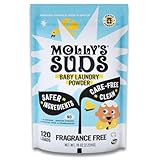
Overview: This pediatric nurse-developed powder formula targets the toughest baby stains while remaining exceptionally gentle on newborn skin. The ultra-concentrated design delivers 120 loads from a single 79-ounce bag, using just one tablespoon per wash. Developed specifically for cloth diapers and baby clothing, it eliminates residue buildup while powering through formula, spit-up, and diaper disasters.
What Makes It Stand Out: The enzyme-powered stain removal system is specifically calibrated for organic baby messes, breaking down proteins in breastmilk and fecal matter effectively. Its minimalist ingredient philosophy—free from dyes, artificial fragrances, and harsh chemicals—earns Leaping Bunny cruelty-free certification and vegan status. The septic-safe formula also supports grey water systems, making it an eco-conscious choice that doesn’t compromise cleaning power.
Value for Money: At $0.21 per load, it’s mid-range among premium baby detergents. While pricier than conventional options, the concentrated formula means less product per wash, offsetting the initial investment. Compared to other eco-friendly competitors, it offers excellent cost-per-load efficiency and superior stain-fighting capability specifically for baby-related soils.
Strengths and Weaknesses: Strengths: Exceptional stain removal on organic baby messes; ultra-concentrated (120 loads); cruelty-free and vegan; septic/grey water safe; eliminates detergent buildup; fragrance-free for sensitive skin. Weaknesses: Requires warm/hot water for optimal dissolution; powder format may not suit all users; higher upfront cost than mainstream brands; needs pre-treatment for set-in stains.
Bottom Line: Ideal for eco-conscious parents seeking powerful, safe cleaning for cloth diapers and baby clothes. The fragrance-free formula is perfect for newborns with ultra-sensitive skin, making it worth the premium price.
2. Rockin’ Green Laundry Detergent, Plant based, All Natural Laundry Detergent Powder, Vegan and Biodegradable Odor Fighter, Safe for Sensitive Skin (Baby Cloth Diaper 90 Loads Unscented)

Overview: Specifically engineered for cloth diaper laundering, this plant-based powder detergent offers a non-toxic solution for families prioritizing both environmental responsibility and skin sensitivity. The 90-load container provides dermatologist-tested, hypoallergenic cleaning power without harsh chemicals. Its biodegradable formula targets the unique challenges of diaper laundry while remaining versatile enough for all baby clothing.
What Makes It Stand Out: The detergent’s specialized enzyme blend is optimized for breaking down ammonia and protein-based odors common in cloth diapering. Unlike many eco-friendly options that sacrifice performance, Rockin’ Green maintains impressive stain-lifting capability while being completely free of SLS/SLES, optical brighteners, and artificial fragrances. The company’s 48-hour customer support guarantee demonstrates confidence in their product.
Value for Money: At $0.24 per load, it’s competitively priced within the natural detergent category. While more expensive than conventional detergents, its targeted formulation for cloth diapers prevents the need for additional additives or stripping treatments, potentially saving money long-term. The 90-load size offers a good balance between commitment and trialability.
Strengths and Weaknesses: Strengths: Excellent for cloth diaper odor removal; plant-derived, biodegradable ingredients; dermatologist-tested; works as pre-soak; vegan and cruelty-free; minimal suds for HE machines. Weaknesses: Unscented may disappoint those wanting freshness; smaller load count (90) than some competitors; may require booster for extremely hard water; powder can clump in humid storage.
Bottom Line: A top choice for cloth diapering families seeking an effective, natural solution. Its odor-fighting capability justifies the price, though fragrance-free purists should verify the “unscented” claim.
3. Esembly Laundry Washing Powder – HE Mineral Based Detergent for All Household Laundry and Cloth Diapers – Patented, Fragrance-Free, EWG Verified, Earth-Friendly, (3lb Refillable Canister and Scoop)

Overview: Born from 14 years of commercial diaper laundry experience in New York City, this mineral-based powder brings industrial-strength cleaning to household use. The patented formula tackles everything from cloth diapers to sweaty workout gear in a fragrance-free, EWG Verified composition. The reusable 3-pound canister holds 48 scoops, with refill options reducing environmental impact.
What Makes It Stand Out: The mineral-based approach differs from typical enzyme formulas, using earth-derived ingredients to achieve powerful cleaning without chemical residues. Its EWG Verification provides third-party validation of safety claims, while the refillable packaging system addresses plastic waste concerns. The pH-balanced formula prevents fabric degradation over time, extending clothing lifespan.
Value for Money: At approximately $0.49 per load, it’s the priciest option reviewed. However, the concentrated mineral formula means less product needed per heavily soiled load, and the refill system reduces long-term packaging costs. For families with severe sensitivities or those washing primarily cloth diapers, the premium may be justified by performance and purity.
Strengths and Weaknesses: Strengths: EWG Verified for ingredient transparency; refillable canister system; mineral-based alternative to enzymes; pH-balanced for fabric longevity; effective on extreme odors; made by diaper laundry experts. Weaknesses: Highest cost-per-load; smaller load count (48) in initial package; may require experimentation with dosage; less widely available than mainstream brands.
Bottom Line: Best for families prioritizing ingredient transparency and zero-waste packaging. The expert formulation delivers exceptional results, but the premium price limits its appeal to budget-conscious shoppers.
4. ARM & HAMMER Baby, 77 Loads Hypoallergenic Liquid Laundry Detergent, 100.5 fl oz

Overview: This budget-friendly liquid detergent leverages ARM & HAMMER’s trusted baking soda heritage to deliver hypoallergenic cleaning for families watching their wallet. The 100.5-ounce bottle provides 77 loads of pediatrician and dermatologist-tested stain removal. As an EPA Safer Choice certified product, it meets rigorous safety standards while tackling typical baby food and juice stains.
What Makes It Stand Out: The liquid format offers convenience and immediate dissolution in any water temperature, including cold washes that save energy. Its widespread retail availability makes it accessible for most families, while the EPA certification provides third-party validation of safety claims. The inclusion of baking soda naturally neutralizes odors without masking fragrances.
Value for Money: At just $0.12 per load, it’s the clear value champion. This mainstream brand price point makes it accessible for all budgets while still delivering hypoallergenic benefits. Families can maintain clean baby clothes without the premium cost of niche brands, though it lacks some eco-friendly certifications of pricier competitors.
Strengths and Weaknesses: Strengths: Excellent price-per-load; liquid dissolves instantly in cold water; widely available; EPA Safer Choice certified; pediatrician/dermatologist tested; trusted brand reputation. Weaknesses: Contains more synthetic ingredients than natural brands; not specifically formulated for cloth diapers; liquid format heavier to transport; may leave residue in hard water; not cruelty-free certified.
Bottom Line: Perfect for families seeking effective, gentle cleaning on a tight budget. While not the most natural option, its safety certifications and stain performance make it a practical choice for everyday baby laundry.
5. Molly’s Suds Baby Laundry Detergent Powder | Removes Formula, Poop & Spit-Up Stains | Extra Gentle for Newborns (Sweet Baby Shea)
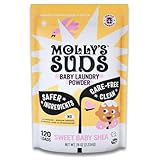
Overview: This scented variant of Molly’s Suds’ popular baby detergent maintains the same pediatric nurse-developed formula and stain-fighting prowess while adding a subtle Sweet Baby Shea fragrance. The 79-ounce bag delivers 120 loads of concentrated cleaning power, using the same one-tablespoon-per-load measurement as its fragrance-free sibling. It targets the same tough stains—formula, spit-up, and diaper blowouts—while offering a gentle scent option.
What Makes It Stand Out: The shea-based fragrance provides a natural, non-synthetic scent experience that distinguishes it from artificially fragranced competitors. Like the unscented version, it maintains Leaping Bunny certification, vegan status, and septic system compatibility. The enzyme-rich formula specifically breaks down protein-based baby stains while the minimal-suds design prevents residue accumulation in high-efficiency machines.
Value for Money: At $0.21 per load, it matches the fragrance-free version’s cost efficiency. The 120-load capacity spreads the $24.99 investment across many washes, making it competitive with other premium eco-friendly detergents. Parents wanting a natural scent without compromising on safety get excellent value compared to similarly positioned brands.
Strengths and Weaknesses: Strengths: Same powerful stain removal as unscented version; natural shea-based fragrance; 120 loads per bag; cruelty-free and vegan; septic/grey water safe; eliminates detergent buildup; concentrated formula. Weaknesses: Fragrance may irritate highly sensitive skin; requires warm/hot water for best dissolution; powder format less convenient than liquid; higher upfront cost; scent may cling to microfiber cloth diapers.
Bottom Line: An excellent choice for parents wanting a naturally scented, eco-friendly detergent without sacrificing cleaning power. Best for babies without fragrance sensitivities who deserve the same gentle, effective care.
6. Molly’s Suds Baby Liquid Laundry Detergent | Removes Formula, Poop & Spit-Up Stains | Extra Gentle for Infants, Babies, Toddlers (Sweet Baby Shea, 100 Loads)

Overview: Molly’s Suds Baby Liquid Laundry Detergent is a pediatric nurse-developed solution designed specifically for the messy realities of infant care. This ultra-concentrated formula tackles the toughest baby stains—formula, spit-up, and diaper blowouts—while remaining exceptionally gentle on delicate skin. Made with clean, simple ingredients and free from dyes and artificial fragrances, it offers parents peace of mind during those challenging early years.
What Makes It Stand Out: The stain-fighting enzyme blend is the star here, specifically targeting protein-based baby messes that standard detergents often struggle with. Its concentration means just a small amount delivers powerful cleaning for up to 100 loads. The Sweet Baby Shea scent comes from natural sources, avoiding synthetic fragrances that can irritate sensitive skin. Being septic-safe, grey water compatible, and cruelty-free aligns with environmentally conscious parenting values.
Value for Money: At $0.25 per load, this detergent sits in the mid-range for premium baby detergents. The 100-load capacity from a 50 oz bottle demonstrates impressive concentration, offering better long-term value than many competitors. When you factor in its specialized enzyme formula and multi-fabric safety—including cloth diapers—it represents solid investment for parents seeking effective, gentle cleaning without compromising on environmental ethics.
Strengths and Weaknesses: Strengths include powerful enzyme-based stain removal, true hypoallergenic formulation, excellent concentration, and strong eco-credentials. The natural fragrance option provides pleasant scent without irritation. Weaknesses: Some parents may prefer completely unscented options, and the enzyme formula requires prompt stain treatment (within 24 hours) for optimal results, which isn’t always practical with busy parenting schedules.
Bottom Line: Molly’s Suds delivers exceptional performance on baby-specific stains while maintaining the gentle touch infants require. For parents prioritizing clean ingredients, environmental responsibility, and powerful stain removal, this detergent is a worthwhile investment that effectively bridges natural formulation with clinical cleaning power.
7. Grab Green Newborn Baby Laundry Detergent Pods, 30 Loads, Fragrance Free, Mineral Based, Non-Toxic, Stain Remover

Overview: Grab Green Newborn Baby Laundry Detergent Pods offer a convenient, pre-measured solution for parents navigating the early months of infancy. Specifically formulated for babies 0-4 months, these fragrance-free pods combine mineral and plant-based ingredients to gently clean while targeting breastmilk, formula, and diaper stains. The pod format eliminates measuring mess, perfect for sleep-deprived parents.
What Makes It Stand Out: The age-specific formulation for newborns sets this apart, recognizing that 0-4 month olds have exceptionally delicate skin and unique stain profiles. The mineral-based approach avoids common irritants like phosphates, phthalates, and optical brighteners entirely. Being completely fragrance-free makes it ideal for the most sensitive noses and skin. The pod design ensures zero waste in measurement and prevents detergent residue on hands.
Value for Money: At $0.43 per load, this is premium-priced, reflecting its specialized newborn formulation and convenient pod format. While more expensive per load than liquid alternatives, the pre-measured convenience and targeted formulation for the most vulnerable stage may justify the cost for many parents. The 30-load count is perfect for trial or short-term newborn use before transitioning to larger formats.
Strengths and Weaknesses: Strengths include truly hypoallergenic fragrance-free formula, convenient pod format, specialized newborn age targeting, and strong eco-friendly credentials. The mineral-based cleaning is gentle yet effective. Weaknesses: Higher cost per load, limited load count per package, and pods may not dissolve completely in cold water cycles. Some parents prefer liquid for cloth diapers, as pods can leave residue in diaper fibers.
Bottom Line: Grab Green pods excel for parents seeking ultimate convenience and a formulation specifically designed for newborns’ extreme sensitivity. While pricier, the peace of mind during those critical first months and the no-mess pod format make it an excellent choice for busy parents of very young infants who prioritize simplicity and safety.
8. ATTITUDE Baby Laundry Detergent Liquid, EWG Verified, Safe for Baby Clothes, Infant and Newborn, Vegan and Naturally Derived Washing Soap, HE Compatible, Unscented, 80 Loads, 67.6 Fl Oz

Overview: ATTITUDE Baby Laundry Detergent Liquid brings Environmental Working Group verification to baby care, offering a transparently clean option for parents who demand third-party validation. With 98% naturally-derived ingredients, this unscented formula caters to infants, newborns, and families with sensitive skin. The 80-load capacity provides extensive cleaning power while maintaining eco-conscious principles.
What Makes It Stand Out: EWG Verification is the key differentiator, providing scientifically-backed assurance of ingredient safety that goes beyond marketing claims. The 98% natural-origin composition is impressively high, and the completely unscented formula eliminates any risk of fragrance sensitivity. Its versatility across all fabrics, temperatures, and machine types—including HE—makes it exceptionally practical. The recyclable HDPE #2 bottle demonstrates commitment to full product lifecycle sustainability.
Value for Money: At $0.34 per load, ATTITUDE offers reasonable value for an EWG Verified product. The 80-load size balances cost efficiency with freshness, as you’ll likely use it before degradation. While pricier than conventional detergents, the third-party verification and high natural ingredient percentage justify the premium. Parents seeking verified clean ingredients will find the price fair for the transparency provided.
Strengths and Weaknesses: Strengths include authoritative EWG Verification, high percentage of natural ingredients, true unscented formula, excellent fabric compatibility, and strong environmental packaging choices. It’s vegan and cruelty-free. Weaknesses: Unscented may disappoint parents wanting a subtle clean smell, and the price point remains above budget options. Some users report needing slightly more product for heavily soiled loads compared to enzyme-based competitors.
Bottom Line: ATTITUDE is ideal for verification-focused parents who trust EWG’s rigorous standards. It delivers reliable, gentle cleaning with complete ingredient transparency. For those willing to pay for third-party certification and a truly unscented, naturally-derived formula, this detergent provides exceptional peace of mind and solid performance across all baby laundry needs.
9. RLR Natural Laundry Detergent Powder – Whitens, Brightens, Refreshes Baby Cloth Diaper Detergent, Musty Towels, Workout Clothes - Non-toxic, Fragrance-Free For Sensitive Skin (Pack of 5)
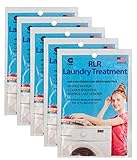
Overview: RLR Natural Laundry Detergent Powder offers a unique treatment-focused approach to baby laundry, specializing in rescuing items that have developed buildup, dinginess, or stubborn stains. This fragrance-free powder comes in convenient single-use packets, making it ideal for periodic deep cleaning of cloth diapers, musty towels, and workout clothes. Its minimalist formulation prioritizes sensitivity without sacrificing restorative cleaning power.
What Makes It Stand Out: RLR functions as both a maintenance detergent and a periodic treatment, uniquely addressing detergent buildup and mineral deposits that conventional cleaners leave behind. Its ability to “strip” cloth diapers and refresh musty fabrics sets it apart from standard detergents. The powder format is travel-friendly and allows for precise dosing. Being completely free of common irritants—including SLS/SLES—makes it exceptionally gentle while still delivering remarkable whitening and brightening results.
Value for Money: At $9.99 for five packets, pricing depends heavily on usage frequency. As a periodic treatment (weekly or bi-weekly for cloth diaper users), it’s highly cost-effective. However, as a daily detergent, it would be prohibitively expensive. For families using it to maintain cloth diaper performance and extend textile life, the investment pays dividends by preventing diaper replacement costs. The multi-purpose nature adds value beyond just baby clothes.
Strengths and Weaknesses: Strengths include exceptional performance on buildup removal, cloth diaper optimization, true fragrance-free formulation, and versatility across fabric types. It’s completely non-toxic and biodegradable. Weaknesses: Not economical for everyday use, requires hot water for best dissolution, and the packet format creates more packaging waste than bulk options. Some stains need pre-treatment, and it lacks the enzyme power of some baby-specific formulas for protein stains.
Bottom Line: RLR is a specialized tool rather than an all-purpose detergent—perfect for cloth diapering families and those battling musty buildup. Use it as a periodic treatment alongside your regular detergent for optimal results. For its niche purpose of fabric restoration and maintenance, it’s unmatched, but it shouldn’t replace a daily enzyme-based baby detergent for fresh stains.
10. Dreft Stage 1 Newborn Baby Liquid Laundry Detergent, Gentle on Sensitive Skin, HE Compatible, 114 loads

Overview: Dreft Stage 1 Newborn Baby Liquid Laundry Detergent represents the pediatrician-recommended standard for newborn care, trusted by generations of parents. This 3-in-1 formula specifically targets the unique challenges of newborn laundry—milk and spit-up stains—while remaining exceptionally gentle on brand-new skin. With 114 loads per bottle, it offers extended value during the intensive newborn phase.
What Makes It Stand Out: As the #1 pediatrician-recommended brand, Dreft carries unmatched medical credibility. The Stage 1 formulation is specifically designed for the 0-3 month period when skin is most vulnerable and stains are protein-heavy. Its 3-in-1 approach fights odors, removes stains, and maintains gentleness without requiring additives. The extensive 114-load capacity means fewer shopping trips during an overwhelming life stage, and the brand recognition makes it a reliable baby shower gift.
Value for Money: At $0.22 per load, Dreft Stage 1 offers excellent value for a premium, medically-endorsed product. It’s among the most cost-effective options in the baby detergent category, especially considering the large load count. Parents get trusted performance without the premium price tag of some niche brands. The widespread availability and competitive pricing make it accessible for most families seeking peace of mind.
Strengths and Weaknesses: Strengths include pediatrician recommendation, proven gentleness, excellent stain removal for newborn messes, large load capacity, and widespread availability. It’s HE compatible and hypoallergenic. Weaknesses: Contains more synthetic ingredients than “natural” competitors, some parents report residue in hard water, and the subtle fragrance (though mild) may not suit those wanting completely unscented. It’s less eco-focused than plant-based alternatives.
Bottom Line: Dreft Stage 1 remains the go-to choice for parents seeking medically-trusted, reliable cleaning for their newborn’s laundry. It balances performance, gentleness, and value exceptionally well. While not the most natural option, its pediatrician backing and proven track record make it a sensible default choice for first-time parents who want one less thing to worry about during the newborn stage.
Why Cloth Diapers Demand a Different Detergent Approach
Standard baby detergents are formulated for lightly soiled onesies and burp cloths, not heavily saturated diapers containing urine, feces, and mineral deposits. Cloth diapers require a detergent powerful enough to deep-clean multi-layered fabrics like bamboo, hemp, and microfiber, yet rinses completely clean without coating fibers. Unlike disposable diaper users who can prioritize “gentle” above all else, cloth parents must balance cleaning power with residue-free performance. The wrong detergent leaves behind film that traps bacteria, causes repelling issues, and degrades waterproof PUL layers. Understanding this fundamental difference is your first step toward laundry success.
The Science Behind Baby Messes: What You’re Really Washing
Cloth diapers contend with three primary culprits: proteins (from feces), urea (from urine), and minerals (from water). These substances bond with fabric fibers and require specific surfactants to break down effectively. Protein-based stains need protease enzymes to dismantle their molecular structure, while urea crystallizes and lodges deep within fabric layers. Add hard water minerals into the mix, and you’ve got a perfect storm for buildup. Your detergent must be sophisticated enough to tackle this biological cocktail while remaining fully water-soluble. Anything less results in diapers that smell clean when dry but emit a barnyard stench the moment your baby wets.
Key Ingredients to Embrace in Cloth Diaper Detergents
Look for detergents with linear alkylbenzene sulfonates (LAS) or alcohol ethoxylates as primary surfactants—these are effective yet rinse cleanly. Sodium carbonate (washing soda) boosts cleaning power in hard water by softening it on contact. Protease and amylase enzymes are your allies for breaking down organic matter, while sodium percarbonate provides safe oxygen-based brightening. A quality cloth diaper detergent should list these functional ingredients transparently rather than hiding behind vague “plant-based” claims. The concentration matters too; a true cleaning powerhouse requires less volume per load, making it more economical despite a higher upfront cost.
Ingredients to Avoid: The Red Flag List
Fabric softeners—whether liquid or dryer sheets—coat fibers with silicone-based compounds that destroy absorbency. Natural oils like coconut or olive oil, often found in “gentle” formulas, create the same repelling effect. Optical brighteners leave fluorescent residues that can irritate sensitive skin and mask whether diapers are truly clean. Soap-based detergents (castile soap, soap nuts) combine with minerals in hard water to create insoluble soap scum that builds up in diaper layers. Avoid anything with heavy fragrances, dyes, or thickening agents like carbomer, which don’t rinse freely. Even some “free and clear” formulas contain these hidden problem ingredients.
Powder vs. Liquid: The Great Debate
Powder detergents generally outperform liquids for cloth diapers, especially in hard water. They’re more concentrated, contain built-in water softeners like zeolites, and don’t require preservatives that can leave residue. Powders also allow you to customize dosage more precisely for load size and soil level. Liquid detergents excel in cold water starts and can be easier to dispense, but they often contain more fillers and stabilizers. If you choose liquid, select one specifically formulated for cloth diapers—not a general baby detergent. The key is ensuring whichever format you choose dissolves completely; undissolved powder can cake in diaper folds, while thick liquids may not distribute evenly.
Understanding Water Hardness: Your Hidden Variable
Water hardness is the single most overlooked factor in cloth diaper laundry success. Hard water (high in calcium and magnesium) neutralizes detergent and deposits minerals into fabric fibers, leading to stiffness and odor. Test your water with strips or contact your municipal supplier—you’re looking for grains per gallon (gpg) or parts per million (ppm). Soft water (0-3 gpg) requires less detergent and an extra rinse to prevent residue. Hard water (7+ gpg) demands more detergent plus a water softener additive like Calgon or washing soda. Your detergent choice must align with your water type; what works for your friend in Seattle may fail miserably in Phoenix.
The Role of Enzymes: Friend or Foe?
Enzymes are biological catalysts that target specific stain types—protease for proteins, amylase for starches, lipase for fats. In cloth diapering, protease is essential for breaking down fecal matter that hides in fabric layers. The myth that enzymes cause rash has been debunked; they’re completely rinsed away in properly functioning machines. However, they do require warm water (at least 100°F) to activate and work within a specific pH range. Cold-only wash routines won’t activate enzymes, rendering them useless. If you’re washing in cold water for energy savings, you’ll need to compensate with longer agitation times and more mechanical action rather than enzyme power.
Fragrance-Free vs. Unscented: There’s a Difference
“Unscented” products may contain masking fragrances to neutralize base odors, while “fragrance-free” contains no added scents whatsoever. For cloth diapers, fragrance-free is the gold standard because any residual fragrance compounds can irritate delicate skin and mask odor problems you need to detect. Essential oils, marketed as “natural fragrance,” can coat fibers and cause repelling. If you crave scent, add it to the final rinse with a drop of essential oil on a wool dryer ball during drying—not in the wash where it can build up. Your nose should only smell clean water when sniffing a freshly washed, still-wet diaper.
Measuring Matters: Dosing for Diaper Success
Under-dosing is the number one cause of cloth diaper failure. Diapers are heavily soiled laundry and require the full recommended amount of detergent for a heavily soiled load—not the “light soil” line. Most parents use 30-50% less detergent than needed, fearing residue, but this creates a vicious cycle of buildup and odor. Start with the manufacturer’s maximum recommended dose for your load size, then adjust based on results. Use a dedicated measuring scoop rather than the cap, which can become gunked up and inaccurate. For hard water, increase dosage by 25-50% to compensate for mineral interaction. Remember: detergent is cheaper than replacing a stash of ruined diapers.
The Washing Machine Factor: HE vs. Standard
High-efficiency (HE) machines use less water, which can be problematic for cloth diapers that need significant water for proper agitation and rinsing. HE detergents are low-sudsing, but you still need enough water to fully submerge and move diapers. If you have an HE machine, select the “heavy soil” or “water plus” option and consider adding a wet towel to trick the sensor into using more water. Standard top-loaders with central agitators are cloth diaper workhorses, providing superior mechanical action. Front-loaders fall somewhere in between—excellent agitation but potentially insufficient water. Your detergent concentration must match your machine type; HE machines need less detergent volume but the same cleaning power concentration.
Building Your Perfect Wash Routine: Step-by-Step
A proper routine has two parts: a short pre-wash and a long main wash. The pre-wash (cold or warm) removes surface soil so the main wash can clean fabric deep-down. Use a half-dose of detergent here. The main wash should be hot (130-140°F if fabric permits), longest cycle, with full detergent dose. Don’t overload—diapers need room to rub against each other for mechanical cleaning. After washing, smell a wet diaper; it should smell like nothing. If it smells like barnyard or soap, rewash immediately. Never let clean diapers sit wet in the machine; this breeds mildew. The entire process should take under 3 hours from start to dry.
Common Cloth Diaper Washing Mistakes to Avoid
The “detergent buildup” myth leads parents to under-wash, creating actual buildup from insufficient cleaning. Using too little water prevents proper agitation and rinsing. Washing diapers with other laundry might seem efficient, but it reduces cleaning action and risks contamination. Skipping the pre-wash means you’re washing in dirty water. Using vinegar as a fabric softener can damage elastic and PUL in hard water. Adding extra rinse cycles in soft water redeposits minerals. Following “crunchy” blogs that recommend soap-based recipes will destroy your diapers. The biggest mistake? Changing too many variables at once when troubleshooting—change one thing, test results, then adjust again.
Eco-Friendly Considerations: Beyond the Label
“Green” detergents often trade cleaning power for biodegradability, but modern cloth diaper detergents can be both effective and environmentally responsible. Look for EPA Safer Choice certification, which evaluates entire formulations rather than individual ingredients. Concentrated formulas reduce packaging waste and transportation emissions. Plant-derived surfactants like alkyl polyglucoside can work if combined with sufficient concentration and proper water temperature. Avoid the “natural is better” trap—some synthetic ingredients rinse cleaner and have lower aquatic toxicity than their natural counterparts. True sustainability means using a detergent that cleans so well your diapers last for years, reducing textile waste.
Cost Analysis: Budgeting for Clean Diapers
Calculate cost per diaper load, not per bottle. A $25 bag of powder that handles 90 loads costs less than a $15 bottle of liquid that manages 30. Factor in water softener additives for hard water areas—these add $0.10-0.20 per load. Homemade detergents might seem cheap at $0.05 per load, but when they cause repelling requiring diaper replacement, the true cost skyrockets. Quality detergent ranges from $0.15-0.35 per load, a fraction of the $0.25-0.40 per disposable diaper. Over a child’s diapering years, spending an extra $50 annually on proper detergent saves hundreds in premature diaper replacement and prevents the environmental cost of buying new.
Storage and Safety: Keeping Detergent Baby-Friendly
Store detergent in its original container with the label intact—this is crucial for poison control if ingested. Keep it in a high cabinet or locked container; powder can look like candy to curious toddlers. Humidity is powder’s enemy, causing clumping and reduced efficacy. Use an airtight container with a desiccant packet in humid climates. Never decant into unlabeled containers. For liquid detergents, wipe the spout after each use to prevent sticky buildup that attracts dirt and germs. Keep measuring tools with the detergent, not loose in the laundry room where they can be contaminated. If you have older children, teach them that detergent is a cleaning chemical, not a toy, even if it’s “baby-safe.”
Troubleshooting Common Issues
Barnyard smell when wet means insufficient detergent or hard water buildup—rewash with full detergent dose and water softener. Ammonia burn (red, blistered skin) indicates urine residue—strip diapers with a proper stripping agent, then adjust your routine. Repelling (leaks but diapers aren’t saturated) signals oil or fabric softener residue—strip with hot washes and blue Dawn, then switch detergents. Graying or stiffness points to mineral buildup—add water softener to every wash. PUL delamination often results from vinegar or too-hot water, not detergent. Always troubleshoot systematically: test water hardness, check dosage, verify water temperature, examine load size, then consider detergent change.
Frequently Asked Questions
Can I use homemade detergent recipes I find online?
Most DIY recipes rely on soap (castile, Fels-Naptha) or insufficient surfactants that create buildup in cloth diapers. They lack the sophisticated enzyme and surfactant systems needed to clean human waste from multi-layered fabrics. Independent testing consistently shows homemade detergents lead to repelling, odor, and reduced absorbency within months. The money saved isn’t worth the cost of replacing your diaper stash.
How much detergent should I actually use for a load of diapers?
Use the maximum recommended amount on the package for “heavily soiled” laundry based on your load size and water hardness. For a standard top-loader with moderately hard water and 15-20 diapers, this is typically 2-3 tablespoons of quality powder detergent. Start with the full amount and only reduce if you detect residue after several weeks of perfect results.
Is it ever safe to use fabric softener on cloth diapers?
Never. Fabric softeners coat fibers with a waxy, hydrophobic film that destroys absorbency. This includes dryer sheets, liquid softeners, and even “natural” alternatives like wool dryer balls with softener infused. If diapers feel stiff, it’s usually mineral buildup—address the root cause with water softener, not softener.
When should I use bleach on my cloth diapers?
Chlorine bleach is for sanitizing, not routine washing. Use it only when battling yeast rash (after medical treatment), bacterial contamination, or when buying used diapers. Use 1/4 cup in a full wash cycle, never pour directly on diapers, and always follow with multiple hot rinses. Overuse degrades fabrics and elastic. Oxygen bleach (sodium percarbonate) is safer for regular brightening.
How often do I need to strip my diapers?
Stripping is a corrective measure, not preventative maintenance. Properly washed diapers never need stripping. If you find yourself stripping more than once a year, your wash routine is failing. Address the underlying issue—usually insufficient detergent, hard water, or wrong water temperature—rather than repeatedly stripping.
Can I wash diapers with other baby clothes or household laundry?
No. Diapers need maximum water volume and agitation, which is reduced when washing with other items. Additionally, mixing loads can transfer bacteria to regular laundry. Wash diapers separately in their own dedicated cycle to ensure they get the cleaning intensity they require.
How do I know if my detergent is actually working?
The sniff test on a wet, freshly washed diaper is the gold standard. It should smell like clean water—no perfume, no barnyard, no ammonia. Diapers should feel absorbent, not repel water when you drip some on the inner layer. Your baby should remain rash-free, and you shouldn’t need to double-rinse routinely. If any of these fail, your detergent isn’t performing.
What if my baby has extremely sensitive skin or eczema?
Choose a fragrance-free, dye-free detergent with minimal ingredients. The culprit is usually fragrance or optical brighteners, not cleaning agents. Some babies react to specific surfactants, so you may need to try 2-3 fragrance-free options. Always do a patch test: wash one diaper, use it, and monitor skin for 24 hours before committing to a full stash wash.
Are plant-based or eco detergents effective enough for cloth diapers?
Some are, but many aren’t. The key is concentration and formulation, not the source of ingredients. Look for eco-detergents specifically marketed for cloth diapers that contain enzymes and adequate surfactant levels. Avoid those that rely solely on soap nuts, soapwort, or castile soap. A truly effective eco-detergent will proudly share its cleaning performance data.
Should I change detergents if we move to a new house?
Absolutely. Water hardness changes dramatically between regions and even neighborhoods. What worked in your old home may fail in the new one. Test your new water immediately upon moving and be prepared to adjust detergent type, dosage, or add water softeners. This single variable change can save you months of frustration and ruined diapers.