Starting clinical rotations with a limited budget shouldn’t mean compromising on the tools that will shape your diagnostic skills. As a nursing student in 2026, you’re entering a healthcare landscape where every penny counts, but so does every heartbeat you need to hear clearly. The good news? The market for affordable medical equipment has evolved dramatically, and finding a reliable stethoscope under $50 that meets your academic needs is absolutely achievable—if you know what to look for.
This comprehensive guide cuts through the marketing noise and delivers evidence-based insights specifically tailored for nursing students navigating their first major equipment purchase. We’ll explore the anatomy of budget-friendly stethoscopes, decode the technical jargon, and arm you with the knowledge to make a confident decision that supports your learning journey without draining your bank account.
Top 10 Stethoscopes for Nursing Students
Detailed Product Reviews
1. 3M Littmann Lightweight II S.E. Stethoscope, 2450, 28" Black Tube
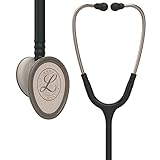
Overview: The 3M Littmann Lightweight II S.E. Stethoscope is the brand’s entry-level model, weighing just 118 grams—making it the lightest adult stethoscope Littmann produces. Designed for routine clinical assessments, it features a dual-sided chestpiece with tunable diaphragm technology and an open bell. The 28-inch black tubing provides adequate length for most clinical scenarios, while the teardrop shape enhances maneuverability in tight spaces.
What Makes It Stand Out: Its feathery weight significantly reduces neck strain during 12-hour shifts, a crucial consideration for busy nurses and medical assistants. The teardrop-shaped chestpiece slides effortlessly under blood pressure cuffs, streamlining vital sign assessments. The tunable diaphragm—typically reserved for pricier models—allows frequency adjustment through pressure changes, eliminating chestpiece flipping. This thoughtful engineering brings premium convenience to a budget-friendly tier.
Value for Money: At $49.00, this stethoscope democratizes access to the Littmann name without sacrificing core quality. While it lacks the acoustic amplification of higher-end models, it reliably handles routine auscultation in medical offices, long-term care, and home health settings. For students or professionals seeking a dependable backup, it outperforms generic alternatives costing similar amounts, offering better longevity and warranty support.
Strengths and Weaknesses: Pros: Exceptionally lightweight; genuine Littmann durability; teardrop design aids positioning; tunable diaphragm adds versatility; excellent price point; comfortable soft-sealing eartips. Cons: Limited acoustic power for subtle pathologies; not ideal for critical care environments; basic black aesthetic; 28-inch tubing shorter than some prefer; single-lumen design reduces sound depth compared to double-lumen models.
Bottom Line: Perfect for nursing students, medical assistants, and professionals needing a lightweight secondary stethoscope. It delivers essential Littmann reliability at an accessible price, though clinicians requiring advanced acoustic detail should invest in the Classic III series.
2. 3M Littmann Classic III Monitoring Stethoscope, 5870, More Than 2X as Loud, Weighs Less, Stainless Steel Rainbow-Finish Chestpiece, 27" Black Tube, Stem and Headset
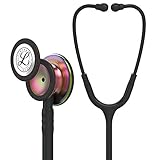
Overview: The 3M Littmann Classic III Monitoring Stethoscope represents a significant acoustic upgrade from entry-level models, engineered for reliable performance in medical offices, general wards, and urgent care settings. Claiming more than twice the volume of comparable stethoscopes, this 27-inch black tube model features a rainbow-finish stainless steel chestpiece that combines durability with distinctive style while delivering enhanced low-frequency detection.
What Makes It Stand Out: Independent testing confirms superior amplification of sounds below 120Hz, making Korotkoff sounds, mitral stenosis, and S3/S4 gallops more discernible than with competing models. The tunable diaphragm functions on both adult and pediatric sides, eliminating instrument switching. The rainbow PVD coating resists corrosion and scratches while allowing personal expression—a rare combination of performance and aesthetics in medical equipment.
Value for Money: At $100.44, this stethoscope commands a premium but delivers measurable diagnostic advantages. For clinicians who perform frequent auscultation, the enhanced acoustic sensitivity can improve diagnostic confidence and reduce missed findings. The investment is justified over cheaper alternatives when accuracy impacts patient outcomes, though the price may exceed what students or occasional users should reasonably spend.
Strengths and Weaknesses: Pros: Outstanding acoustic amplification; excellent low-frequency response; lightweight construction; versatile dual-sided design; durable rainbow finish; trusted Littmann warranty. Cons: Premium pricing; rainbow aesthetic may not suit all clinical environments; acoustic advantages unnecessary for basic vitals; requires proper technique to maximize benefits; slightly heavier than Lightweight II model.
Bottom Line: Ideal for practicing clinicians who demand superior acoustics without cardiology-series pricing. The performance gains over entry-level models are substantial enough to warrant the investment for daily diagnostic use, making it a reliable primary tool for healthcare professionals.
3. 3M Littmann Classic III Monitoring Stethoscope, 5633, More Than 2X as Loud, Weighs Less, Stainless Steel Chestpiece, 27" Pearl Pink Tube

Overview: The 3M Littmann Classic III Monitoring Stethoscope in Pearl Pink offers identical acoustic performance to its black-tubed counterpart, designed for clinicians who want premium functionality with personalized style. Engineered for non-critical care environments, this model delivers the same claimed 2X volume increase and enhanced low-frequency detection as other Classic III variants, packaged in a distinctive pearl pink 27-inch tube with stainless steel chestpiece.
What Makes It Stand Out: Beyond the acoustic capabilities that define the Classic III line, the pearl pink finish provides a unique aesthetic option that helps prevent theft and makes identification easy in busy clinical settings. The color maintains a professional appearance while allowing individual expression. The same tunable diaphragm technology and dual-sided design ensure no functional compromise compared to standard colorways.
Value for Money: At $108.16, you’re paying approximately $8 more than the black version for color customization. For professionals who value personalization or need equipment that stands out, the premium is modest. However, budget-conscious buyers receive identical acoustic performance for less with the standard black model, making this a value decision based on aesthetic preference rather than functional necessity.
Strengths and Weaknesses: Pros: Identical superior acoustics to Classic III black model; distinctive pearl pink color; excellent low-frequency detection; lightweight design; dual-sided versatility; corrosion-resistant finish. Cons: Higher price for cosmetic difference only; pink may not suit all clinical dress codes; identical performance available cheaper; color may fade with heavy cleaning; limited resale appeal compared to traditional colors.
Bottom Line: Choose this model if the pearl pink color appeals to you or serves a practical purpose like easy identification. Acoustically identical to less expensive Classic III variants, it’s a worthwhile purchase for those prioritizing style, but value seekers should opt for the standard black version.
4. MDF Instruments, Acoustica Lightweight Stethoscope for Doctors, Nurses, Students, Home Health Use, Adult, Dual Head, Black Tube, Black Chestpiece-Headset, MDF747XPBO

Overview: The MDF Instruments Acoustica Lightweight Stethoscope positions itself as a budget-conscious alternative to premium brands, trusted by medical providers since 1971. Designed for doctors, nurses, students, and home health use, this all-purpose diagnostic tool features a dual-head chestpiece with true bell and diaphragm, handcrafted from premium aluminum, and backed by a comprehensive lifetime warranty and replacement parts program.
What Makes It Stand Out: The exceptional lifetime warranty and Replacement-Parts-For-Life program provide unmatched long-term value, essentially guaranteeing the stethoscope for your entire career. The patented Acoustic Pyramid Chamber and dual-leaf spring construction aim to maximize sound performance despite the lightweight aluminum build. Included accessories—three eartip sizes, extra diaphragm, and ID tag—add immediate value rarely seen at this price point.
Value for Money: At $27.98, this stethoscope dramatically undercuts Littmann equivalents while offering comparable basic functionality. The lifetime warranty transforms this from a disposable tool into a long-term investment. For students or professionals in non-critical settings, the acoustic performance is adequate for routine assessments. The value proposition is strongest for those prioritizing cost savings and warranty security over premium brand acoustics.
Strengths and Weaknesses: Pros: Exceptionally affordable; comprehensive lifetime warranty; multiple eartip sizes included; replacement parts program; lightweight aluminum construction; over 20 color options; true bell and diaphragm design. Cons: Aluminum less durable than stainless steel; acoustic clarity inferior to Littmann Classic III; may not detect subtle pathologies; shorter lifespan in heavy-use environments; lacks tunable diaphragm convenience; brand recognition limited in some facilities.
Bottom Line: An outstanding choice for medical and nursing students, or professionals seeking a reliable backup stethoscope. While it won’t match Littmann’s acoustic refinement, the lifetime warranty and included accessories make it an unbeatable value for routine clinical use and learning environments.
5. 3M Littmann Classic III Monitoring Stethoscope, 5806, More Than 2X as Loud, Weighs Less, Stainless Steel Rainbow-Finish Chestpiece, 27" Raspberry Tube, Brass Stem and Headset
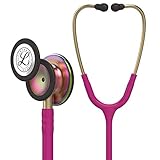
Overview: The 3M Littmann Classic III Monitoring Stethoscope in Raspberry combines the series’ acclaimed acoustic performance with distinctive aesthetic details. Featuring a raspberry-colored 27-inch tube, rainbow-finish chestpiece, and brass stem and headset, this model targets clinicians wanting premium functionality with unique styling. It maintains the same 2X loudness claim and enhanced low-frequency detection as other Classic III variants.
What Makes It Stand Out: The brass hardware provides a vintage-inspired look that distinguishes it from standard stainless steel models, developing a unique patina over time. The raspberry tubing offers a professional alternative to traditional black while remaining subdued enough for clinical environments. This combination of acoustic excellence and distinctive materials appeals to clinicians who view their instruments as professional extensions of their identity.
Value for Money: At $104.91, this model sits between the standard black and pearl pink variants in pricing. The brass components justify the modest premium over the basic Classic III, offering both aesthetic distinction and comparable durability. For professionals seeking differentiation without the full premium of limited editions, this represents a balanced investment in both performance and style.
Strengths and Weaknesses: Pros: Superior acoustic amplification; distinctive brass hardware; professional raspberry color; excellent low-frequency detection; lightweight design; dual-sided functionality; corrosion-resistant rainbow chestpiece. Cons: Brass requires occasional polishing to maintain appearance; raspberry color may not suit all uniforms; acoustic performance identical to cheaper Classic III versions; premium paid primarily for aesthetics; brass may oxidize in humid environments.
Bottom Line: An excellent compromise for clinicians wanting both premium acoustics and distinctive styling. The brass accents provide tangible differentiation worth the modest premium, making this a smart choice for professionals who use their stethoscope constantly and appreciate refined details.
6. 3M Littmann Lightweight II S.E. Stethoscope, 2452, 28" Caribbean Blue Tube
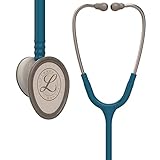
Overview: The Littmann Lightweight II S.E. represents the entry point into the prestigious Littmann family, tipping the scales at a mere 118 grams—the lightest adult stethoscope 3M offers. This 28-inch Caribbean Blue model targets healthcare professionals who prioritize comfort during extended shifts without sacrificing fundamental acoustic reliability. The dual-sided chestpiece combines tunable diaphragm technology with a traditional open bell, making it versatile enough for routine physical assessments in general practice, nursing, and medical education settings.
What Makes It Stand Out: The teardrop-shaped chestpiece is a thoughtful ergonomic innovation, sliding easily under blood pressure cuffs and maneuvering around bandages with minimal patient discomfort. The tunable diaphragm allows clinicians to hear different frequency ranges by simply adjusting pressure—firm pressure isolates high-frequency sounds, while lighter contact reveals lower frequencies. This eliminates the need to flip the chestpiece during examinations, streamlining patient interactions. The soft-sealing eartips create an impressive acoustic seal while remaining comfortable during 12-hour shifts.
Value for Money: At $53.79, the Lightweight II S.E. occupies a sweet spot between budget alternatives and premium Littmann models. You’re investing in 3M’s legendary quality control and acoustic engineering heritage. While more expensive than generic brands, the durability, warranty support, and proven performance justify the premium for students and professionals who need dependable daily performance without the $100+ price tag of higher-end models.
Strengths and Weaknesses: Strengths: Exceptionally lightweight reduces neck strain; tunable diaphragm technology simplifies examinations; teardrop design improves maneuverability; trusted Littmann brand reliability; comfortable eartips for prolonged use.
Weaknesses: Plastic chestpiece lacks the durability of stainless steel; acoustic sensitivity insufficient for critical care or cardiology; limited performance on obese patients or through thick clothing; not ideal for advanced practitioners needing superior sound amplification.
Bottom Line: The Lightweight II S.E. is ideal for nursing students, general practice clinicians, and medical assistants who need reliable, comfortable daily performance. It won’t satisfy cardiologists or ICU nurses, but for routine assessments and basic diagnostics, it delivers Littmann quality at an accessible price point.
7. 3M Littmann Classic III Monitoring Stethoscope, 5620, More Than 2X as Loud, Weighs Less, Stainless Steel Chestpiece, 27" Black Tube

Overview: The Classic III Monitoring Stethoscope positions itself as a significant acoustic upgrade from entry-level models, engineered for reliability in non-critical care environments. This 27-inch black tube variant features a stainless steel chestpiece and claims to deliver more than twice the volume of competing stethoscopes in its class. Designed for medical offices, general wards, OB/GYN clinics, and urgent care settings, it balances enhanced acoustic performance with practical portability for healthcare professionals who demand consistent diagnostic confidence.
What Makes It Stand Out: The standout feature is the validated acoustic superiority—testing demonstrates it amplifies heart sounds below 120Hz more reliably than competitors, making Korotkoff sounds, mitral stenosis murmurs, and S3/S4 gallops more detectable. The “weighs less” claim isn’t just marketing; it’s genuinely lighter than comparable stainless steel models from rival brands, reducing neck fatigue during busy shifts. The tunable diaphragm on both sides of the chestpiece provides adult and pediatric versatility without changing instruments.
Value for Money: At $90.94, this represents a professional-grade investment. The price premium over basic Littmann models buys demonstrably superior acoustic performance and stainless steel durability that withstands years of daily use. For experienced clinicians who depend on subtle sound interpretation, the enhanced low-frequency detection justifies every dollar. It bridges the gap between the Lightweight series and the $200+ Cardiology IV, offering 80% of the acoustic performance at less than half the cost.
Strengths and Weaknesses: Strengths: Exceptional acoustic amplification; superior low-frequency detection; durable stainless steel construction; lighter than competing models; versatile adult/pediatric chestpiece; trusted Littmann warranty support.
Weaknesses: Price prohibitive for some students; acoustic performance still falls short of cardiology-grade models; 27-inch tubing may feel short for taller clinicians; not specifically designed for critical care environments despite strong performance.
Bottom Line: The Classic III Monitoring is perfect for experienced nurses, physicians, and PAs in general practice who refuse to compromise on acoustic clarity. Students might find it overkill, but professionals will appreciate the reliable performance that makes subtle pathologies easier to detect during routine examinations.
8. ASA TECHMED Medical Starter Kit – Stethoscope, Durable Blood Pressure Monitor, EMT Shears & Protective Carrying Case – Ideal for Healthcare Students & Professionals, Burgundy

Overview: This comprehensive burgundy kit addresses the complete equipment needs of healthcare students and entry-level professionals in one convenient package. ASA TECHMED bundles a dual-head stethoscope, manual blood pressure cuff, EMT shears, and a protective carrying case for $36.99—essentially providing four essential tools at a price that undercuts most standalone stethoscopes. The kit targets nursing students, medical assistants, and EMT trainees who need functional, affordable equipment for clinical rotations and training environments.
What Makes It Stand Out: The all-in-one convenience is unmatched; instead of researching and purchasing components separately, students receive a coordinated kit ready for immediate clinical use. The inclusion of EMT shears demonstrates thoughtful consideration for emergency scenarios and practical versatility. The protective carrying case keeps everything organized between classes and clinical sites, preventing loss and damage during hectic student schedules. The burgundy color option adds a professional aesthetic that stands out from standard black equipment.
Value for Money: At $36.99, the value proposition is extraordinary. Purchasing a BP cuff, stethoscope, shears, and case separately would typically cost $60-$100, even with budget components. This kit eliminates financial barriers for students facing tuition and textbook expenses. While individual items reflect their price point, the collective functionality enables immediate participation in clinical training without equipment loans or delays. It’s a pragmatic solution that prioritizes accessibility over premium performance.
Strengths and Weaknesses: Strengths: Unbeatable price for complete kit; eliminates guesswork for new students; includes protective case for organization; EMT shears add emergency utility; immediate readiness for clinical rotations; burgundy color offers visual distinction.
Weaknesses: Stethoscope acoustic quality inferior to Littmann or MDF; BP cuff durability questionable with heavy use; components lack long-term professional durability; limited warranty support compared to established brands; not suitable for advanced practice requirements.
Bottom Line: This kit is tailor-made for nursing and medical students on tight budgets who need functional equipment for training. Professionals should invest in higher-quality individual tools, but for learning fundamentals and passing competency checks, ASA TECHMED delivers remarkable value that gets students through school without breaking the bank.
9. MDF Instruments, Acoustica Lightweight Stethoscope for Doctors, Nurses, Students, Home Health Use, Adult, Dual Head, White Tube, Rosegold (Matte Finish) Chestpiece-Headset, MDF747XPRG29

Overview: MDF Instruments brings over 50 years of heritage to this Acoustica Lightweight model, targeting cost-conscious clinicians who refuse to sacrifice warranty protection. The rosegold chestpiece with white tubing offers distinctive aesthetics while delivering fundamental auscultation capabilities for adult patients. Handcrafted from premium aluminum, this stethoscope emphasizes ergonomic design and long-term value through its lifetime warranty and replacement parts program, making it a strategic choice for students and professionals alike.
What Makes It Stand Out: The lifetime warranty and free replacement parts program fundamentally differentiate MDF from competitors. While most brands offer limited warranties, MDF’s commitment to lifetime support means eartips, diaphragms, and even tubing replacements are covered. The patented ErgonoMax headset with dual-leaf spring construction distributes pressure evenly, preventing the painful pinching common with budget stethoscopes. The SafetyLock eartip adapters prevent accidental eartip detachment in clinical settings—a small but critical safety feature.
Value for Money: At $31.49, this stethoscope undercuts Littmann’s entry-level pricing while offering superior warranty coverage. The included accessory bundle—three eartip sizes, extra diaphragm, and ID tag—adds immediate value. For budget-minded buyers, the lifetime support transforms a modest initial investment into a decade-long tool. The aluminum construction reduces cost versus stainless steel while maintaining acceptable durability for general practice, representing intelligent engineering trade-offs.
Strengths and Weaknesses: Strengths: Unmatched lifetime warranty and parts program; comfortable ergonomic headset design; comprehensive accessory package; attractive rosegold finish; latex-free construction; excellent customer service reputation.
Weaknesses: Aluminum chestpiece less durable than stainless steel; acoustic sensitivity good but not exceptional; brand recognition weaker than Littmann; tubing may stiffen over time; not suitable for critical care or cardiology specialization.
Bottom Line: The MDF Acoustica is perfect for students, home health nurses, and general practitioners who prioritize warranty security and comfort over premium acoustics. It’s a pragmatic investment that protects your purchase for life while delivering adequate performance for routine assessments and basic diagnostics.
10. Ever Ready First Aid 143200 Dual Head Stethoscope, Black

Overview: The Ever Ready First Aid Dual Head Stethoscope represents the absolute budget tier at $6.95, targeting scenarios where basic functionality trumps acoustic precision. This 27-inch black model serves as a general-purpose diagnostic tool for medical professionals, students, and surprisingly, cosplay enthusiasts. The dual-head design promises versatility across patient age groups, while the dual-lumen tubing aims to eliminate the friction noise that plagues traditional two-tube stethoscopes. It’s positioned as an accessible entry point or backup instrument rather than a primary clinical tool.
What Makes It Stand Out: The dual-lumen design is genuinely innovative for this price point, routing both channels through a single tube to prevent the rubbing artifact common in cheap double-tube models. The anatomically designed headset attempts to match ear canal angles, a feature rarely seen in sub-$10 equipment. Most uniquely, the manufacturer explicitly markets it for cosplay and role-play, acknowledging its limitations while finding alternative use cases. At under seven dollars, it’s cheaper than many medical textbook accessories.
Value for Money: $6.95 is impulse-purchase territory. For students needing a practice tool for mannequin-based competency training, it eliminates financial barriers entirely. As a backup stethoscope kept in a car locker or emergency bag, it provides peace-of-mind redundancy. However, the value proposition collapses for actual patient care—saving money means nothing if you miss a critical murmur. It’s disposable pricing without being single-use, making it ideal for high-risk loss environments like disaster response training.
Strengths and Weaknesses: Strengths: Extremely affordable; dual-lumen reduces noise artifact; functional for basic mannequin practice; suitable for cosplay and demonstrations; lightweight; adequate as emergency backup.
Weaknesses: Poor acoustic sensitivity for real patients; questionable durability and build quality; uncertain longevity; not reliable for diagnostic accuracy; lacks warranty support; eartips may be uncomfortable; chestpiece finish wears quickly.
Bottom Line: Purchase this stethoscope exclusively for training mannequins, costume props, or as a disposable backup. It has no place in professional patient care where diagnostic accuracy matters. For actual clinical practice, invest at least $30 in a quality instrument—your patients’ safety deserves better than a $7 stethoscope.
Why Stethoscope Choice Matters for Nursing Students
Your stethoscope is more than a piece of equipment; it’s an extension of your clinical senses during a critical learning period. Unlike experienced nurses who’ve developed compensatory listening techniques, nursing students need a tool that provides clear, consistent acoustics to build proper auscultation skills from day one. A subpar stethoscope can create a frustrating feedback loop where you doubt your abilities when the real culprit is inadequate sound transmission. The right budget stethoscope bridges this gap, offering sufficient acoustic clarity to identify S1 and S2 heart sounds, detect rales and rhonchi, and accurately measure blood pressure while leaving room in your budget for textbooks, scrubs, and coffee during late-night study sessions.
Understanding Stethoscope Anatomy 101
Before diving into features, let’s break down what you’re actually buying. Every stethoscope consists of three primary components that work in concert to transmit body sounds to your ears. Understanding how each part functions helps you evaluate quality markers independently of brand names.
The Chestpiece: Your Diagnostic Hub
The chestpiece is the metal component that makes direct contact with patients. Budget models under $50 typically feature stainless steel or aluminum alloy construction. Stainless steel offers superior density and sound conduction, though you’ll find more aluminum options in this price range. The chestpiece houses both the diaphragm (the flat side for high-frequency sounds) and the bell (the cupped side for low-frequency sounds). Pay attention to the machining quality—smooth, precisely milled edges indicate better manufacturing standards, even at lower price points.
Tubing: The Sound Highway
Tubing serves as the conduit for acoustic waves traveling from chestpiece to earpieces. In budget stethoscopes, you’ll encounter PVC or latex-free rubber tubing. The key considerations are wall thickness and length. Thicker walls reduce external noise interference, while optimal length (typically 22-28 inches) prevents sound degradation. Single-lumen tubing dominates the sub-$50 category, though some newer models incorporate innovative dual-lumen designs using cost-effective materials.
Earpieces: Comfort Meets Acoustics
The earpieces create the seal that isolates internal sounds from environmental noise. Soft silicone tips in this price range have improved significantly, offering better comfort during extended wear than the hard plastic alternatives of previous generations. The angle of the headset should align with your ear canals—most budget models now include adjustable tension springs to customize the fit.
The $50 Budget Reality Check
Let’s establish honest expectations. A $50 stethoscope won’t match the acoustic performance of a $200+ cardiology-grade instrument, but it doesn’t need to. Your goal as a nursing student is clear identification of basic heart, lung, and bowel sounds—not detecting subtle murmurs or splitting of S2. Manufacturers have optimized certain budget lines specifically for educational use, prioritizing durability and adequate acoustics over premium materials. The key is recognizing which corners can be cut without sacrificing your learning experience. For instance, machined aluminum chestpieces transmit sound reasonably well while keeping costs down, whereas cheap plastic chestpieces severely compromise acoustics and should be avoided entirely.
Key Features to Prioritize in Budget Stethoscopes
When every dollar matters, feature prioritization becomes essential. Focus on non-negotiable elements that directly impact your learning:
Acoustic seal integrity matters more than chestpiece material at this price. A well-sealing earpiece with proper headset tension will outperform a poorly fitted “premium” model. Tunable diaphragm technology has trickled down to budget stethoscopes, allowing you to hear different frequency ranges by adjusting pressure—this single feature dramatically expands your diagnostic capabilities. Non-chill rims on both diaphragm and bell improve patient comfort and cooperation during your assessments. Replaceable parts availability extends your stethoscope’s lifespan; even budget models should offer replacement ear tips and diaphragms.
Acoustic Performance vs. Price: Finding the Sweet Spot
The relationship between cost and acoustic fidelity isn’t linear. Performance gains plateau around $35-$40 in the budget category, with diminishing returns beyond that point. Stethoscopes priced between $25-$35 often represent the optimal balance, incorporating essential features while avoiding gimmicks that inflate cost without adding value. The acoustic sweet spot for nursing students requires sufficient sensitivity to detect: clear S1/S2 heart sounds in all four auscultatory areas, basic lung sounds including wheezes and crackles, and Korotkoff sounds for accurate blood pressure measurement. Anything beyond this enters cardiology territory that your curriculum won’t require until advanced practice levels.
Single Lumen vs. Dual Lumen Tubing
This technical distinction significantly impacts sound quality. Traditional single-lumen stethoscopes channel all sound through one tube, creating potential for sound wave interference. Dual-lumen designs separate the pathways for left and right ear, reducing this artifact. Historically, dual-lumen construction pushed stethoscopes well above $50, but manufacturing innovations have made budget-friendly versions possible. When evaluating dual-lumen options under $50, inspect the tubing carefully—some achieve the effect through internal septa rather than true separate tubes, which still improves acoustics but not as dramatically as premium designs. For most nursing students, a high-quality single-lumen stethoscope with thick-walled tubing provides perfectly adequate performance.
Diaphragm vs. Bell: Mastering Both Sides
Understanding when to use each chestpiece side is fundamental to auscultation skills. The diaphragm, with its larger surface area and tight membrane, excels at high-frequency sounds: S1/S2 heart sounds, breath sounds, and bowel sounds. The bell, without a membrane, detects low-frequency sounds like certain murmurs and bruits. Budget stethoscopes under $50 should absolutely include both functional sides—avoid single-head models marketed as “nursing stethoscopes.” The bell’s diameter matters; too small and you’ll miss sounds, too large and you’ll lose anatomical precision on pediatric patients. A bell diameter of approximately 1 inch strikes the ideal balance for diverse patient populations you’ll encounter in clinicals.
Tunable Technology Explained
Tunable diaphragms represent one of the most significant technological advances to reach budget stethoscopes. By varying pressure on the chestpiece, you can selectively filter frequency ranges—light pressure for low-frequency sounds, firm pressure for high-frequency. This essentially combines diaphragm and bell functions into one side, though traditional dual-sided models still offer educational value. For nursing students, tunable technology simplifies the learning curve and reduces fumbling during patient assessments. When testing a tunable diaphragm, press gently while listening to your own heart; you should notice a distinct shift in sound character as you increase pressure. This feature appears increasingly in models around the $40 mark, making it an accessible upgrade worth seeking.
Weight and Comfort: All-Day Wear Considerations
You’ll wear your stethoscope for 8-12 hour shifts during clinical rotations, making weight a critical factor often overlooked by first-time buyers. Budget stethoscopes typically weigh between 4-6 ounces, with aluminum models sitting at the lighter end. However, extremely lightweight stethoscopes sometimes sacrifice tubing thickness, which hurts acoustics. The distribution of weight matters as much as total mass—a well-balanced stethoscope with proper headset alignment feels lighter than its actual weight. Test the fit by wearing the stethoscope around your neck for 10-15 minutes; pressure points behind your ears or on your neck indicate poor ergonomics that will compound over long shifts.
Infection Control and Cleanability
In 2026’s healthcare environment, infection control protocols are more stringent than ever. Your stethoscope requires cleaning between every patient contact, making material choice crucial. Seek models with smooth, non-porous surfaces on the chestpiece and earpieces that withstand alcohol-based disinfectants without degrading. Avoid stethoscopes with fabric-covered tubing or textured surfaces that harbor pathogens. Some budget lines now incorporate antimicrobial additives in the tubing material—a worthwhile feature that doesn’t significantly increase cost. Establish a cleaning routine immediately upon purchase: wipe with 70% isopropyl alcohol after each use, deep clean weekly with manufacturer-approved solutions, and never submerge the chestpiece in liquid.
Color Choices and Personalization
While aesthetics shouldn’t drive your decision, color selection serves practical purposes. Brightly colored stethoscopes (royal blue, purple, or red) reduce theft and make your equipment easily identifiable in chaotic clinical settings. Most budget manufacturers offer 5-10 color options, with black and navy being most common. Personalization through engraved name tags or custom ID tags prevents mix-ups during group activities. Some students worry colored tubing degrades faster; however, modern pigment processes have eliminated this concern. Choose a color that makes you feel confident and professional—you’ll perform better when you feel ownership of your tools.
Warranty and Durability Expectations at This Price Point
Budget stethoscopes typically carry 1-2 year warranties, shorter than premium brands but adequate for your nursing program duration. Read warranty terms carefully—many cover manufacturing defects but exclude “normal wear and tear,” which includes tubing cracks from improper storage. Durability testing should focus on stress points: the connection between tubing and chestpiece, the headset spring tension mechanism, and diaphragm rim attachment. While you shouldn’t expect a lifetime instrument, a well-maintained $50 stethoscope should easily survive your 2-4 year nursing program. Register your purchase online immediately to activate warranty coverage and keep receipts for potential educational tax deductions.
Common Mistakes Nursing Students Make When Buying
First-time buyers consistently fall into avoidable traps. Mistake #1: Buying based on peer recommendations without considering individual fit. Ear canal anatomy varies dramatically; what works for your classmate may be uncomfortable for you. Mistake #2: Prioritizing included accessories over core performance. Free name tags, spare ear tips, and carrying cases are nice, but meaningless if the acoustics are poor. Mistake #3: Assuming higher price within the budget range equals better quality. Some $45 stethoscopes simply add cosmetic features while a $30 model offers superior core acoustics. Mistake #4: Purchasing from unauthorized sellers to save $5—this voids warranties and risks counterfeit products. Mistake #5: Ignoring return policies. Even perfect-on-paper stethoscopes may not suit you; ensure you have a 30-day return window to test acoustics in real clinical conditions.
How to Properly Test Your Stethoscope Upon Arrival
Don’t wait until your first clinical day to evaluate your purchase. Perform these immediate tests: Acoustic seal test: Wear the stethoscope and gently tap the diaphragm; you should hear a crisp, clear sound with no ambient noise leakage. Frequency range test: Listen to your own heart, then hum at different pitches while adjusting chestpiece pressure—can you distinguish the changes? Comfort test: Wear for 30 minutes while studying; note any discomfort or pressure points. Build quality inspection: Check for loose connections, uneven machining, or tubing defects. Comparative test: If possible, borrow a classmate’s stethoscope and listen to the same body sounds back-to-back. Document any issues immediately and contact the seller—most problems appear within the first few uses if they’re present.
Maintenance Tips to Extend Your Stethoscope’s Lifespan
Proper care transforms a budget stethoscope from a disposable item into a reliable long-term tool. Daily: Wipe down with alcohol pads, avoiding excessive moisture near the chestpiece-tubing junction. Weekly: Remove ear tips and clean with mild soap and water; dry completely before reattaching. Monthly: Check headset tension and adjust if the fit feels loose—most models have a spring mechanism you can gently compress or expand. Storage: Hang by the headset or lay flat; never coil tightly or leave in direct sunlight, which degrades tubing. Avoid: Hanging around your neck for extended periods when not in use; body oils and sweat accelerate tubing breakdown. With consistent care, your $50 stethoscope can remain functional well into your first nursing job.
When to Upgrade: Planning Your Stethoscope Journey
Think of your budget stethoscope as a starter instrument, not a final destination. Plan to upgrade after your first year of full-time clinical practice when you’ve refined your auscultation skills and can appreciate the difference premium acoustics make. Signs you’re ready to upgrade: consistently detecting subtle abnormalities your colleagues miss with basic equipment, finding yourself borrowing others’ stethoscopes for “difficult” patients, or receiving cardiology-specific assignments. Many nurses keep their student stethoscope as a backup or for high-risk situations where equipment loss is possible. Budget for your next stethoscope around the $100-$150 range, where dramatic acoustic improvements become apparent without reaching unnecessary cardiology-level expense.
Frequently Asked Questions
1. Can I really hear everything I need to with a stethoscope under $50? Absolutely. Modern manufacturing has made budget stethoscopes remarkably capable for nursing student requirements. You’ll clearly hear normal heart sounds (S1/S2), common adventitious lung sounds (wheezes, crackles), and Korotkoff sounds for blood pressure. What you might miss are subtle murmurs, S3/S4 gallops, or faint bruits—sounds typically beyond nursing program competencies anyway. Focus on mastering fundamentals with your budget tool; upgrade later if you pursue advanced practice.
2. Is it better to buy online or in a medical supply store? Both have merits. Online retailers offer broader selection, competitive pricing, and easy comparison shopping—crucial for finding the best value under $50. Medical supply stores let you physically handle models and sometimes test acoustics, but their inventory may be limited. The ideal approach: research online to identify 2-3 promising models, then visit a store to test similar designs for fit and comfort before ordering your specific choice online.
3. How do I know if the earpieces fit my ears properly? Properly fitting earpieces should create a gentle seal without painful pressure. Insert them so they point slightly forward, following your ear canal’s natural angle. You shouldn’t need to press the headset tightly against your head to maintain seal. If you feel pain within 15 minutes, try different ear tip sizes (most stethoscopes include small and large alternatives). Some students benefit from memory foam tips, which are inexpensive upgrades for budget models.
4. What’s the biggest difference between a $25 and $50 stethoscope in this category? The $15 difference typically buys improved build quality, tunable diaphragm technology, and better warranty support. Acoustic performance differences are often minimal between well-designed $25 and $50 models. The pricier option may include features like antimicrobial tubing, more color choices, or a slightly heavier chestpiece for marginally better sound conduction. For most students, a $30-$35 model hits the optimal feature-to-price ratio.
5. Will my nursing school or hospital allow a budget stethoscope? Virtually all nursing programs explicitly permit budget stethoscopes, with many recognizing that financial constraints shouldn’t block education. Most institutions provide minimum specifications rather than brand requirements. Hospital policies during clinical rotations typically focus on infection control (cleanability) rather than cost. Check your program’s handbook for specific guidelines, but it’s rare to encounter restrictions on sub-$50 models that meet basic quality standards.
6. Can I use my stethoscope for pediatric patients? Yes, but with caveats. Standard adult-sized bells and diaphragms work for older children and adolescents, but you’ll struggle with infants and toddlers. Some budget stethoscopes include pediatric-sized diaphragms on the reverse side—this is a valuable feature if your program includes pediatric rotations. Alternatively, consider a separate pediatric attachment (often available for under $15) that fits your existing tubing. For dedicated pediatric nursing, you’ll eventually want a pediatric-specific instrument.
7. How often should I replace my budget stethoscope? With proper care, expect 2-3 years of reliable service from a sub-$50 stethoscope. Replace it sooner if you notice cracking in the tubing, loss of acoustic seal, or damage to the chestpiece. Many students find their budget model lasts through their entire program. Don’t replace it just because you’re nearing graduation—if it’s still performing well, continue using it into your first nursing position while saving for an upgrade.
8. Are colorful stethoscopes less professional? Not in modern healthcare. Most facilities have embraced colored equipment for practical reasons: reduced theft, easy identification, and improved morale. Bright colors can actually demonstrate confidence and personality, which patients often appreciate. Stick to solid, professional tones (navy, purple, hunter green) if you’re concerned, but avoid patterns or novelty designs that might appear distracting in serious clinical situations.
9. What’s the best way to clean my stethoscope without damaging it? Use 70% isopropyl alcohol wipes on all surfaces after each patient contact, taking care not to saturate the tubing where it meets the chestpiece. For deeper cleaning, remove ear tips and wash with mild soap and warm water, drying completely before reassembly. Never use harsh chemicals like bleach or acetone, which degrade materials. Never immerse the chestpiece in liquid. Establish this routine from day one to prevent material breakdown and maintain infection control standards.
10. Should I buy a used stethoscope to get better quality within budget? Avoid used stethoscopes. Infection control risks aside, you can’t verify how previous owners stored or maintained the instrument. Tubing degrades from ozone, sunlight, and body oils in ways not visible externally. The headset spring tension may be compromised, and diaphragms wear out. Additionally, most warranties aren’t transferable. The small savings aren’t worth the risk of poor performance or health hazards. New budget models offer reliability and peace of mind that used premium models can’t match.