Managing your metabolic health has never been more precise or proactive than it is today. Continuous glucose monitors have revolutionized how we understand our bodies, transforming intermittent snapshots into a high-definition movie of your glucose patterns around the clock. As we move through 2026, these sophisticated wearable devices offer unprecedented insights not just for those managing diabetes, but for anyone seeking to optimize their energy, performance, and long-term wellness through data-driven decisions.
The landscape of 24/7 glucose tracking technology continues to evolve at a remarkable pace, with new innovations making sensors more accurate, comfortable, and intelligent than ever before. Whether you’re investigating your first system or considering an upgrade to take advantage of the latest features, understanding what distinguishes exceptional CGM technology from basic functionality will empower you to make the most informed choice for your unique health journey and lifestyle needs.
Top 10 Continuous Glucose Monitors
Detailed Product Reviews
1. Stelo Glucose Biosensor & App by Dexcom - A Leader in Continuous Glucose Monitoring (CGM). 24/7 Tracking & Personalized Insights to Reveal Patterns. 2-Pack (Up to 15 Days Each). iOS & Android.
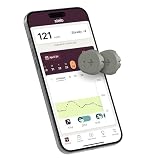
Overview: The Stelo Glucose Biosensor represents Dexcom’s entry into the consumer wellness market, offering medical-grade continuous glucose monitoring for non-insulin users. This two-pack provides up to 30 days of continuous data collection, transmitting real-time glucose readings every few minutes directly to your smartphone. Designed specifically for adults 18+ who are not using insulin, dialysis-dependent, or experiencing problematic hypoglycemia, Stelo helps users understand how diet, exercise, and sleep patterns affect their glucose levels through its intuitive companion app.
What Makes It Stand Out: Dexcom’s reputation as a CGM leader shines through with Stelo’s 15-day wear time—longer than many competitors. The replacement guarantee demonstrates confidence in product reliability, promising free replacements for sensors that fail prematurely. The 24/7 virtual support through SteloBot provides immediate assistance, while live agents handle complex issues during business hours. Personalized insights go beyond raw data, helping users identify patterns and make meaningful lifestyle connections.
Value for Money: At approximately $99 per two-pack, Stelo delivers strong value for those seeking comprehensive metabolic awareness. Each sensor’s extended 15-day lifespan reduces replacement frequency compared to 10-14 day alternatives. The free replacement policy mitigates financial risk from premature failures, while the depth of app-based insights justifies the premium over traditional fingerstick monitoring.
Strengths and Weaknesses: Strengths include exceptional 15-day wear time, robust customer support infrastructure, reliable Dexcom sensor technology, and pattern recognition capabilities. Weaknesses involve restrictions against insulin users, no Medicare coverage, potential adhesive issues for active individuals, and the learning curve for interpreting continuous data streams.
Bottom Line: Stelo excels for health-conscious adults wanting deep metabolic insights without insulin management. Its extended wear time and strong support make it a top-tier choice for proactive wellness optimization.
2. Lingo Continuous Glucose Monitor (CGM). Made by Abbott. Optimize Your Nutrition with Real-time Glucose Data & Insights. 1 Lingo biosensor lasts up to 14 Days*. Works with iOS and Android. US Only.

Overview: Abbott’s Lingo brings the company’s trusted FreeStyle Libre technology to the wellness market in a consumer-friendly package. This single biosensor provides 14 days of continuous glucose monitoring, helping users optimize nutrition and lifestyle choices through real-time data. The system requires no prescription and is HSA/FSA eligible, making it accessible for those managing prediabetes or seeking metabolic optimization. The Lingo app translates complex glucose data into actionable insights about food, exercise, and sleep impacts.
What Makes It Stand Out: Lingo’s FDA-cleared technology from a diabetes care leader ensures accuracy and reliability. The nutrition optimization focus sets it apart, with meal-specific insights that help users build healthier eating habits. For prediabetics, the system offers validated effectiveness—three out of four users report achieving health goals. The heart health connection is scientifically supported, showing how glucose management benefits cardiovascular wellness.
Value for Money: Priced around $89 for a single sensor, Lingo offers competitive value within the CGM wellness space. The HSA/FSA eligibility provides tax advantages, effectively reducing out-of-pocket costs. While slightly more expensive per day than some alternatives, Abbott’s proven sensor technology and comprehensive app insights justify the investment for those serious about metabolic health.
Strengths and Weaknesses: Strengths include trusted Abbott technology, strong prediabetes support, clear nutrition guidance, and tax-advantaged purchasing. Weaknesses encompass the 14-day wear time (shorter than some competitors), US-only availability, limited insurance coverage, and potential overwhelm from continuous data for casual users.
Bottom Line: Lingo is an excellent choice for prediabetics and nutrition-focused individuals wanting reliable CGM technology from an established medical device leader.
3. Lingo Continuous Glucose Monitor (Pack of 2). Made by Abbott. Optimize Your Nutrition with Real-time Glucose Data. 1 Lingo biosensor lasts up to 14 Days*. Works with iOS and Android. US Only.

Overview: This two-pack of Abbott’s Lingo CGM system doubles the monitoring duration to 28 days, providing extended insights for users committed to metabolic wellness. Each biosensor delivers 14 days of continuous glucose tracking through the same reliable FreeStyle Libre technology found in medical-grade systems. The package maintains all the core benefits: HSA/FSA eligibility, no prescription required, and comprehensive app-based insights. Users gain a month-long view of how nutrition, activity, and sleep influence glucose patterns, ideal for establishing sustainable health habits.
What Makes It Stand Out: The multi-pack format offers convenience and slight cost savings while maintaining Lingo’s signature nutrition optimization focus. Abbott’s clinical validation provides confidence in data accuracy, particularly valuable for prediabetic users managing long-term health risks. The system’s ability to demonstrate heart health connections through glucose management adds compelling value. The 28-day monitoring window enables more robust pattern identification than shorter-duration packages.
Value for Money: At approximately $159 for two sensors, the per-day cost drops slightly compared to single purchases, improving overall value. HSA/FSA eligibility remains a significant financial advantage. For users planning extended monitoring, this pack eliminates reordering hassle while providing comprehensive metabolic data that can inform months of lifestyle adjustments.
Strengths and Weaknesses: Strengths include extended monitoring period, proven Abbott accuracy, prediabetes-specific benefits, and heart health insights. Weaknesses involve the same 14-day-per-sensor limitation, US-only restriction, higher upfront cost, and potential data fatigue from continuous wear.
Bottom Line: The Lingo two-pack is ideal for committed users seeking a full month of reliable metabolic insights from a trusted medical technology leader.
4. CareSens N Blood Glucose Monitor Kit with 100 Blood Sugar Test Strips, 100 Lancets, 1 Blood Glucose Meter, 1 Lancing Device, 1 Control Solution, Travel Case for Diabetes Testing for Personal Use

Overview: The CareSens N kit delivers a complete traditional blood glucose monitoring solution for personal diabetes management. This comprehensive package includes everything needed for 100 tests: a glucometer, strips, lancets, lancing device, control solution, and travel case. The system stores up to 250 readings and offers a 1,000-test battery life, making it practical for regular monitoring. Requiring only 0.5 μL of blood and delivering results in five seconds, it prioritizes convenience and minimal discomfort for daily testing routines.
What Makes It Stand Out: The kit’s completeness eliminates separate purchasing needs, providing exceptional convenience for new users. The tiny blood sample requirement reduces fingerstick pain significantly, while auto-coding technology prevents user error. The dedicated customer service team offers personalized support, which is rare at this price point. The included travel case enables consistent monitoring anywhere, supporting medication adherence.
Value for Money: Priced around $30-40, this kit offers outstanding value for budget-conscious users. With 100 included strips, the per-test cost is among the lowest available. While lacking CGM’s continuous data, it provides reliable point-in-time readings essential for insulin dosing and diabetes management at a fraction of CGM costs, making it accessible for uninsured or underinsured patients.
Strengths and Weaknesses: Strengths include exceptional affordability, complete starter package, minimal blood sample, fast results, and strong customer support. Weaknesses involve the pain of fingersticks, no continuous data, manual logging requirements, and potential strip accuracy degradation over time.
Bottom Line: CareSens N is an unbeatable value for traditional glucose monitoring, perfect for those needing reliable, affordable point-in-time readings without CGM complexity.
5. Metene TD-4116 Blood Glucose Monitor Kit, 100 Glucometer Strips, 100 Lancets, 1 Blood Sugar Monitor, Blood Sugar Test Kit with Control Solution, Lancing Device, No Coding, Large Display

Overview: The Metene TD-4116 kit provides a senior-friendly approach to traditional blood glucose monitoring, combining comprehensive components with user-centric design. This all-in-one package includes 100 test strips, 100 lancets, a lancing device, control solution, and a large-display meter. The system requires 0.7 μL of blood and returns results in seven seconds, while storing 450 readings with multiple averaging options. Four daily alarms help users maintain testing schedules, addressing common adherence challenges.
What Makes It Stand Out: The large display and alarm reminders specifically cater to older adults or those with vision limitations. The four tracking modes (pre-meal, post-meal, etc.) provide clearer glucose trend analysis than basic meters. The 450-reading memory with 14-90 day averages offers healthcare providers robust data for treatment adjustments. Code-free operation simplifies the testing process, reducing potential errors.
Value for Money: At approximately $35-45, Metene delivers excellent value with senior-specific features rarely found in budget meters. The 100 included strips and comprehensive accessories minimize additional purchases. While test costs remain higher than CGM per day, the system’s targeted design for elderly users justifies the investment through improved adherence and easier management.
Strengths and Weaknesses: Strengths include senior-focused design, large display, reminder alarms, extensive memory, and trend analysis capabilities. Weaknesses involve slightly larger blood sample than some competitors, no continuous monitoring, and the physical discomfort of fingersticks.
Bottom Line: Metene TD-4116 is the ideal choice for seniors needing an accessible, feature-rich traditional monitoring system that prioritizes ease of use and medication adherence.
6. Onida Dexcom G7 Adhesive Patches 20PCS,Waterproof Over Patches for G7 & Stelo Flexible CGM Tape,Pre-Cut Adhesive Medical Tape, Continuous Glucose Monitor Sensor Cover

Overview: Onida’s adhesive patches provide extended wear protection for Dexcom G7 and Stelo CGM sensors. This pack of 20 pre-cut medical tapes creates a waterproof barrier that secures sensors to skin through daily activities, showers, and workouts. Designed for independent application, these latex-free patches help prevent premature sensor failure due to adhesion issues.
What Makes It Stand Out: The no-hole design covers the entire sensor surface without adhesive contacting the device itself, protecting it from moisture while making patch replacement cleaner. The innovative back-ear tab enables single-handed application—a genuine advantage for users with dexterity challenges. Made from breathable woven fabric, these patches resist fraying and moisture buildup better than traditional tape options.
Value for Money: At approximately $1 per patch in this 20-pack, Onida delivers competitive pricing compared to premium brands like SkinTac or Simpatch. The extended wear time reduces replacement frequency, and the pre-cut design eliminates waste from manual trimming. For CGM users spending hundreds on sensors monthly, this small investment prevents costly early sensor replacements.
Strengths and Weaknesses: Pros: Hypoallergenic and latex-free for sensitive skin; truly waterproof for swimming and heavy sweating; painless removal without residue; one-handed application design; no interference with sensor readings.
Cons: No-hole design may trap heat for some users; only compatible with Dexcom G7 and Stelo; initial adhesion requires careful edge pressing for maximum hold.
Bottom Line: Onida patches are a smart investment for G7/Stelo users seeking reliable, skin-friendly sensor protection. The thoughtful design features and strong adhesion make them superior to generic medical tape, though users should ensure the no-hole style suits their lifestyle.
7. Ascensia CONTOUR NEXT GEN Blood Glucose Monitor All-In-One Kit with 20 Test Strips, Accurate Blood Sugar Monitor, Easy-to-Use Glucose Meter, Portable and Reliable Diabetes Testing Kit

Overview: The CONTOUR NEXT GEN represents Ascensia’s latest generation of connected glucose monitoring. This all-in-one kit provides immediate fingerstick testing with Bluetooth integration for seamless data management. The system delivers clinically validated accuracy without requiring manual coding, making it accessible for new and experienced users managing diabetes.
What Makes It Stand Out: SmartLIGHT technology provides instant visual feedback—red, green, or amber indicators immediately communicate whether readings are in range, eliminating number interpretation guesswork. The second-chance sampling feature allows blood reapplication within 60 seconds, reducing costly strip waste from insufficient samples. Bluetooth connectivity automatically syncs results to a free app, creating shareable reports for healthcare providers.
Value for Money: Priced competitively with major brands, the kit includes 20 test strips, a lancing device, and lancets. While strip costs align with premium meters like OneTouch Verio, the waste-reducing second-chance feature provides tangible long-term savings. The free app integration adds significant value compared to non-connected meters at similar price points.
Strengths and Weaknesses: Pros: Excellent accuracy exceeding FDA standards; intuitive color-coded feedback; reduces strip waste; no coding needed; robust app connectivity.
Cons: Only 20 strips included requires immediate reordering; app features may overwhelm less tech-savvy users; lancing device comfort is average compared to specialized alternatives.
Bottom Line: The CONTOUR NEXT GEN excels for users wanting smart features without complexity. Its accuracy and waste-reduction technology justify the price, though those preferring simplicity might find the connectivity unnecessary. Ideal for tech-comfortable diabetics prioritizing data sharing.
8. AUVON Blood Glucose Monitor Kit, High Accuracy Blood Sugar Test Kit with 50 Glucometer Strips, 50 30G Lancets, 1 Lancing Devices, DS-W Diabetes Testing Kit, No Coding Required, Travel Size

Overview: AUVON’s DS-W kit delivers a comprehensive fingerstick testing solution emphasizing precision and value. This complete package includes 50 test strips, 50 lancets, a lancing device, and a storage bag—everything needed for immediate diabetes management. The meter requires no coding and provides results in six seconds, prioritizing straightforward operation.
What Makes It Stand Out: This kit exceeds ISO standards with ±10% accuracy, surpassing the ±15% requirement—a critical advantage for insulin-sensitive users. The manufacturer promises strips at $0.13 each, dramatically undercutting major brands. A lifetime warranty and CE/GMP/ISO certifications demonstrate exceptional quality commitment. The Automatic Carbon Printing Technique ensures batch-to-batch consistency rarely seen in budget-friendly options.
Value for Money: With 50 strips included and replacement costs at roughly half of premium brands, AUVON offers outstanding value. The complete kit eliminates initial accessory purchases, and the travel case adds portability. For budget-conscious users or those testing frequently, long-term savings are substantial without sacrificing clinical-grade accuracy.
Strengths and Weaknesses: Pros: Superior accuracy exceeding international standards; incredibly low strip costs; comprehensive starter kit; lifetime warranty; certified manufacturing quality.
Cons: No Bluetooth connectivity for digital tracking; manual logbook required; lancing device is basic; brand recognition lower than established competitors.
Bottom Line: AUVON is perfect for cost-aware users refusing to compromise on accuracy. While it lacks smart features, its precision and strip affordability make it ideal for frequent testers or those preferring traditional logging. The lifetime warranty provides peace of mind unmatched in this price range.
9. iHealth Gluco+ Wireless Smart Blood Glucose Monitor Kit with Free App, 100 Glucometer Strips, 100 Lancets, 1 Blood Sugar Monitor, 1 Lancing Device, Portable Diabetes Testing Kit for Home Use

Overview: iHealth’s Gluco+ kit merges traditional fingerstick testing with modern wireless convenience. This comprehensive system includes 100 test strips and lancets, a rechargeable monitor, and a free companion app for iOS and Android. The FDA-cleared device stores 500 readings internally while offering unlimited cloud storage, creating a seamless bridge between home testing and professional care coordination.
What Makes It Stand Out: The rechargeable battery eliminates ongoing battery costs and environmental waste—a unique feature in this category. The adjustable nine-depth lancet device minimizes pain through customization, while the 0.7µl sample size is among the smallest available. Wireless sync occurs automatically, and the app generates shareable reports, making healthcare provider collaboration effortless.
Value for Money: Including 100 strips and lancets at a price comparable to 50-strip kits provides exceptional upfront value. The rechargeable design saves approximately $5-10 annually in battery costs. While strip replacement costs are moderate, the extensive included supply and smart features justify the premium over basic meters.
Strengths and Weaknesses: Pros: Rechargeable battery; massive 100-strip/lancet supply; painless adjustable lancing; seamless app integration; tiny blood sample requirement; FDA-cleared.
Cons: Requires 4-hour initial charge; app learning curve for some users; slightly larger device size; replacement strips cost more than budget brands.
Bottom Line: iHealth Gluco+ is ideal for users wanting maximum convenience and connectivity. The rechargeable feature and generous supply count reduce ongoing hassles, while smart syncing simplifies diabetes management. Best suited for tech-comfortable users prioritizing data tracking and minimal environmental impact.
Understanding Continuous Glucose Monitoring Technology
What Is a CGM System?
A continuous glucose monitor is a compact medical device that tracks glucose levels in real-time through a tiny sensor inserted just beneath the skin’s surface. Unlike traditional fingerstick meters that provide single-point measurements, these systems automatically record readings every few minutes, creating a comprehensive data stream that reveals how your glucose responds to food, exercise, stress, sleep, and medications. The system typically consists of three core components: a disposable sensor, a transmitter that sends data wirelessly, and a receiver or smartphone app that displays your trends.
How Does 24/7 Tracking Work?
The magic of uninterrupted monitoring lies in electrochemical sensing technology. The sensor filament contains glucose oxidase, an enzyme that reacts with interstitial fluid glucose to produce an electrical signal proportional to the concentration. This data transmits via Bluetooth or near-field communication to your display device, where algorithms convert it into actionable insights. Most current-generation systems refresh readings every one to five minutes, building a detailed curve that shows not just where your glucose is, but where it’s heading—critical information for preventing highs and lows before they occur.
Benefits of Continuous Glucose Monitoring
Real-Time Metabolic Insights
The primary advantage of 24/7 tracking is the ability to see your body’s immediate response to daily choices. You’ll discover which foods cause rapid spikes versus steady energy release, how different workout intensities impact your levels, and how stress or poor sleep disrupts your stability. This granular feedback creates a personalized roadmap for optimizing your metabolic health, often revealing surprising patterns that occasional testing would miss entirely.
Proactive Health Management
With predictive algorithms and trend arrows, modern systems can alert you to impending glucose excursions before they become problematic. This foresight allows for preventive action—perhaps a small snack to ward off a predicted low or a brief walk to counter a rising trend. For individuals managing diabetes, this capability significantly reduces time spent in hypoglycemic or hyperglycemic ranges, improving both safety and quality of life while lowering A1C levels over time.
Reduced Fingerstick Dependency
While calibration requirements vary by device, most contemporary systems have minimized or eliminated the need for routine fingerstick confirmations. This reduction in painful finger pricks not only improves adherence but also provides freedom and discretion in daily life. The psychological benefit of less invasive monitoring cannot be overstated, particularly for children or individuals with needle anxiety.
Key Features to Evaluate in 2026
Sensor Accuracy and MARD Scores
When assessing any CGM, the Mean Absolute Relative Difference (MARD) percentage serves as the key accuracy metric. Lower MARD values indicate readings closer to laboratory reference values. In 2026, leading systems typically achieve MARD scores between 8-10%, with premium sensors pushing below 8% across their entire wear period. Look for devices that maintain accuracy during rapid glucose changes and across the full approved wear duration, not just the first few days.
Wear Duration and Replacement Schedules
Sensor longevity directly impacts both convenience and cost-effectiveness. Current offerings range from 7 to 14 days of continuous wear, with some extended-wear options reaching up to 30 days. Consider how frequently you’re willing to replace sensors and whether the insertion process fits comfortably into your routine. Longer-wear sensors often feature more advanced adhesive technologies and protective overpatches to maintain security throughout the entire period.
Data Transmission and Connectivity
Seamless connectivity forms the backbone of a reliable CGM experience. Evaluate transmission range—can you leave your phone in another room and still receive data? Does the system support direct-to-smartphone transmission, or does it require a dedicated receiver? In 2026, most premium devices offer Bluetooth 5.0 or newer for extended range and more stable connections, with some incorporating multiple transmission pathways as backup.
Data Management and Integration
Mobile App Ecosystems
Your CGM’s companion app serves as mission control for your glucose data. Modern applications feature intuitive dashboards displaying current readings, trend arrows, time-in-range statistics, and daily patterns. Look for customizable views that let you prioritize the metrics most relevant to your goals. The best apps in 2026 offer dark mode for nighttime viewing, widget support for quick glances, and robust data export capabilities for healthcare provider sharing.
Cloud Syncing and Report Generation
Automatic cloud backup ensures your valuable data remains safe even if you lose your phone. Leading platforms generate comprehensive reports including ambulatory glucose profile (AGP) charts, daily trends, and pattern recognition summaries. These reports prove invaluable during medical appointments, providing your healthcare team with objective data to guide treatment adjustments. Some systems now offer real-time data sharing with family members or caregivers for added peace of mind.
Third-Party Health Platform Integration
The true power of CGM data emerges when combined with other health metrics. Check whether prospective systems sync with popular fitness trackers, smartwatches, nutrition logging apps, and electronic health records. Apple Health and Google Fit integration has become standard, but deeper connections with training platforms like Strava or MyFitnessPal can provide richer context for your glucose patterns. This interoperability transforms isolated glucose numbers into comprehensive lifestyle insights.
Alert and Notification Systems
Customizable Glucose Thresholds
Personalized alert settings separate helpful notifications from alarm fatigue. The ability to set custom high and low thresholds tailored to your individual targets is essential. Advanced systems allow different profiles for various situations—perhaps stricter alerts during work hours and more relaxed settings overnight. Look for devices offering multiple alert levels, such as warning alerts at 80 mg/dL and urgent alerts at 55 mg/dL.
Predictive Alerts and Trend Analysis
The most sophisticated systems don’t just alert you when you’ve crossed a threshold—they warn you before it happens. Predictive algorithms analyze your current reading, trend arrow, and recent patterns to estimate when you’ll reach your limits, typically providing 10-30 minutes advance notice. This feature proves particularly valuable overnight, giving you time to intervene before experiencing disruptive low glucose episodes.
Urgent Low Glucose Warnings
Safety-critical low glucose alerts should be loud, persistent, and difficult to ignore. Many devices now include “do not disturb” override capabilities ensuring urgent alarms sound even when your phone is silenced. Some systems integrate with smartwatches for discrete yet noticeable vibrations, while others can automatically notify designated emergency contacts if you fail to respond to repeated severe low alerts.
Design and Wearability Factors
Sensor Size and Discretion
Modern sensors have shrunk dramatically, with many 2026 models resembling a small coin rather than a bulky medical device. Consider sensor thickness and diameter, especially if you plan to wear it on visible areas like your arm. Ultra-thin profiles allow clothing to glide smoothly over the sensor, while minimal height reduces the risk of accidental bumps or snags during daily activities.
Adhesive Quality and Skin Compatibility
A sensor is only effective if it stays attached. Evaluate adhesive strength, especially if you lead an active lifestyle or live in humid climates. Hypoallergenic adhesives minimize skin reactions, but individual sensitivities vary. Many users benefit from skin barrier wipes or adhesive enhancers. Check whether the manufacturer provides free overpatches for additional security, and investigate the removal process—gentle release prevents skin trauma.
Waterproofing for Active Lifestyles
Swimming, showering, and sweating shouldn’t compromise your CGM. Most current systems carry IP ratings indicating water resistance depth and duration. Look for devices rated for at least 30 minutes of submersion at 3 feet or deeper. Pay attention to how waterproofing performs in chlorinated pools or saltwater, as these environments can degrade adhesives faster than freshwater exposure.
Power and Maintenance
Battery Life Expectations
Transmitter battery life varies from several months to a full year of continuous use. Some systems feature rechargeable transmitters, while others use replaceable coin-cell batteries. Consider the convenience versus cost equation—rechargeable models eliminate battery purchases but require regular charging sessions. Check whether the app provides low-battery warnings with adequate lead time to prevent unexpected data gaps.
Calibration Requirements
Fully factory-calibrated sensors offer the greatest convenience, arriving pre-programmed and ready for immediate use after insertion. Some systems still require periodic fingerstick calibrations, especially during the first day of wear. While calibration can improve accuracy for certain individuals, it adds complexity and reintroduces fingersticks. For most users seeking simplicity, calibration-free operation represents a significant quality-of-life improvement.
Sensor Insertion Process
Insertion mechanisms range from manual applicators to single-button automatic insertion systems. The latter reduces user error and anxiety, particularly for those new to CGM therapy. Evaluate insertion depth options—pediatric or lean individuals may require shallower insertion angles. Some manufacturers offer training videos or practice devices to build confidence before your first live insertion.
Cost and Accessibility
Understanding Pricing Models
CGM costs encompass initial hardware (receivers or transmitters), ongoing sensor expenses, and potential accessory purchases. Sensor prices typically dominate the budget, running from $30 to $100 per sensor depending on wear duration. Calculate the per-day cost for accurate comparisons between systems. Some manufacturers offer subscription services that bundle sensors at a discount, while others use traditional pharmacy distribution.
Insurance Coverage Landscape
Coverage varies dramatically between private insurance, Medicare, and Medicaid plans. Most carriers cover CGM therapy for insulin-dependent diabetes, but coverage for type 2 diabetes or prediabetes remains inconsistent. Prior authorization is frequently required. Contact your insurance provider to verify coverage tiers, copay amounts, and whether you must use specific suppliers. Some manufacturers employ dedicated reimbursement specialists to navigate this process on your behalf.
Prescription Requirements
In the United States, all CGMs currently require a prescription, though this may evolve. The prescription process typically involves your endocrinologist, primary care physician, or certified diabetes educator documenting medical necessity. Some companies offer telehealth consultations to streamline this step. International availability and regulatory status differ—certain regions allow over-the-counter purchase of specific models, while others maintain strict prescription-only policies.
Emerging Technologies in 2026
Next-Generation Sensor Innovations
The latest sensor platforms incorporate multiple sensing modalities beyond glucose alone. Some devices now measure ketones, lactate, or hydration status through the same filament. Multi-analyte sensors provide a more complete metabolic picture, particularly valuable for athletes or individuals following ketogenic diets. Improved membrane technologies extend accuracy during rapid glucose excursions and reduce the “first-day dip” phenomenon where readings may be less reliable immediately after insertion.
AI-Powered Insights
Artificial intelligence has transformed raw glucose data into personalized coaching. Advanced systems now identify your unique glucose patterns, learning which foods trigger your spikes and which exercises drop your levels most effectively. The AI provides contextual recommendations—perhaps suggesting a 10-minute walk after detecting a post-meal rise or recommending meal timing adjustments based on your circadian glucose rhythms. These insights become more accurate as the system learns your patterns over weeks and months.
Non-Invasive Developments
While fully non-invasive CGMs remain in development, 2026 has seen promising hybrid approaches. Some systems now combine minimal invasiveness with optical sensing, reducing filament depth while maintaining accuracy. Others use microneedle arrays that are virtually painless upon application. Though these technologies are still emerging and may carry premium pricing, they represent the future direction of glucose monitoring—moving toward seamless, invisible tracking.
Choosing the Right System for Your Needs
Lifestyle Compatibility Assessment
Your daily routine should dictate your CGM choice. Athletes need robust waterproofing and secure adhesion. Parents of children with diabetes benefit from remote monitoring capabilities and fun, engaging apps. Busy professionals prioritize discretion and minimal maintenance. Travelers require sensors with flexible temperature tolerances and international support. Create a list of your non-negotiable lifestyle requirements before evaluating technical specifications.
Clinical vs. Personal Use Considerations
If you’re using a CGM for diabetes management, regulatory approval and insurance coverage likely top your priority list. Accuracy during hypoglycemia and integration with insulin pumps may be critical. For non-diabetic individuals seeking metabolic optimization, user experience, app quality, and data visualization might matter more than clinical validation. Some systems cater specifically to the wellness market with consumer-friendly interfaces, while others maintain a medical-device focus.
Support and Training Resources
Even the best technology fails without proper education. Evaluate manufacturer-provided training materials—video libraries, live support hotlines, and local educator networks. Online communities and social media groups can provide peer-to-peer troubleshooting and tips. Consider whether the company offers a trial period or satisfaction guarantee, allowing you to test the system before committing to long-term sensor purchases.
Frequently Asked Questions
How long does it take for a new CGM sensor to start providing accurate readings?
Most modern sensors require a warm-up period ranging from 30 minutes to 2 hours before displaying data. During this time, the sensor stabilizes and establishes baseline readings. Some systems may be less accurate during the first 12-24 hours of wear, which is why certain devices still recommend calibration during this initial period. Always follow manufacturer guidelines for optimal accuracy.
Can I wear my CGM while swimming, showering, or exercising intensely?
Yes, virtually all current CGMs are water-resistant and designed for active lifestyles. Most can withstand swimming, showering, and heavy sweating. However, chlorinated pools and saltwater may degrade adhesives faster, so consider using additional waterproof patches for extended water activities. Check your device’s specific IP rating for depth and duration limits.
Will my CGM set off metal detectors at airports or government buildings?
CGM sensors and transmitters contain minimal metal and typically do not trigger security screening devices. However, the transmitter may appear on full-body scanners. It’s advisable to inform TSA agents about your medical device and request a hand inspection if preferred. Always carry your device documentation and a prescription letter when traveling.
How often should I replace my CGM sensor?
Replacement schedules vary by device, ranging from 7 to 30 days. Never attempt to extend wear beyond the FDA-approved duration, as accuracy degrades and infection risk increases. The app will notify you when your sensor is nearing expiration. Some users experience skin irritation toward the end of longer-wear sensors, which may necessitate earlier replacement.
Do I still need to do fingerstick blood glucose checks?
Most 2026 systems are factory-calibrated and don’t require routine fingersticks. However, you should still perform a fingerstick if symptoms don’t match CGM readings, during rapidly changing glucose conditions, or when the device prompts for calibration. Keep your meter and test strips available for these verification situations and as backup during sensor warm-up periods.
Can my doctor access my CGM data remotely?
Yes, most platforms offer healthcare provider portals where clinicians can review your data between appointments. You’ll need to grant permission and share a unique code or invitation. Some systems automatically generate reports that can be emailed or uploaded to patient portals. Real-time sharing capabilities also allow family members or caregivers to monitor your glucose through companion apps.
What should I do if my sensor falls off early?
Contact the manufacturer’s customer support immediately. Most companies will replace prematurely dislodged sensors at no cost, especially within the first few days of wear. To prevent future issues, ensure proper site preparation (clean, dry skin), use adhesive enhancers if needed, and consider protective overpatches for active lifestyles. Document the circumstances of the failure to help identify patterns.
Are CGMs accurate for people without diabetes?
Yes, the same technology works across the glucose spectrum. However, accuracy specifications are typically validated for diabetic ranges. Non-diabetic individuals generally experience tighter glucose fluctuations, so trend information may be more valuable than exact numbers. Some manufacturers now offer versions specifically calibrated and marketed for metabolic health rather than diabetes management.
How much does a CGM cost without insurance?
Out-of-pocket costs vary widely but expect to pay $100-$400 monthly for sensors, plus $50-$200 for transmitters every 3-12 months. Some manufacturers offer patient assistance programs or discount cards for uninsured individuals. Pharmacy discount programs and manufacturer coupons can reduce costs by 20-75%. Subscription models may provide savings compared to one-time purchases.
Can children use continuous glucose monitors?
Many systems are FDA-approved for pediatric use, with age limits varying by device—some approved for children as young as 2 years old. Pediatric features include smaller insertion devices, remote monitoring for parents, and engaging apps that gamify glucose management. Always consult your pediatric endocrinologist to determine the most appropriate system for your child’s age, activity level, and diabetes management plan.